Paine was a man always on the move, never staying in one place for long as he traveled through England, the United States and France in his quest for democracy and equality.
Here you can view the locations and markers that together document different locations that Paine visited in his amazing life.
The images are organized in chronological order showing the places he visted from birth to death. Click on any image to enlarge. Enjoy!
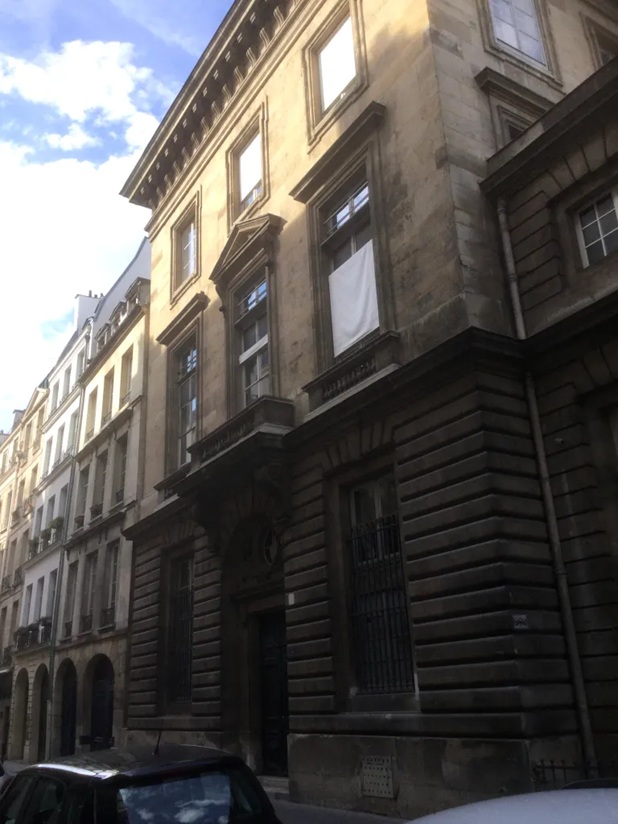
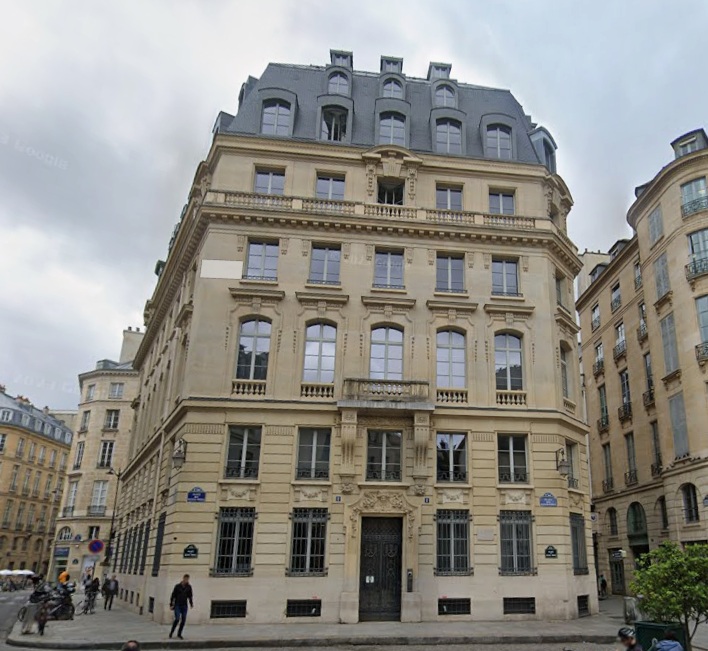
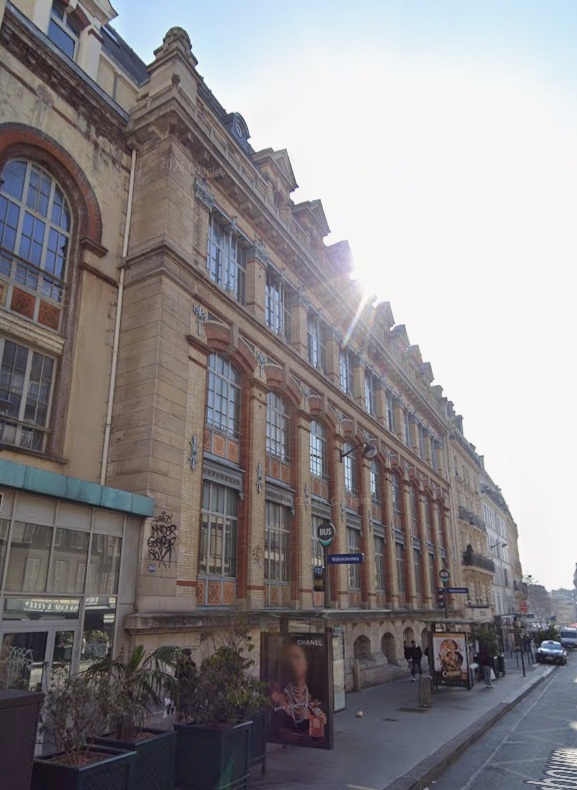
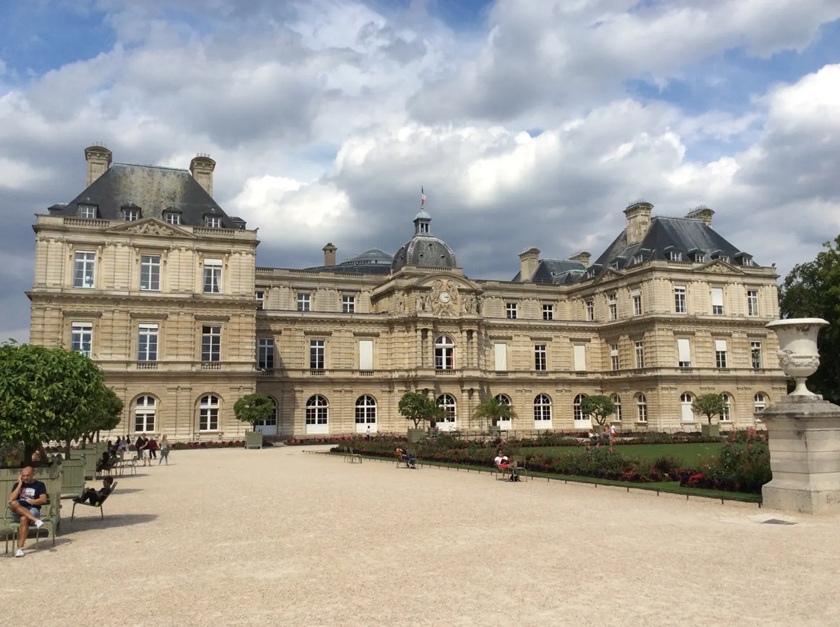
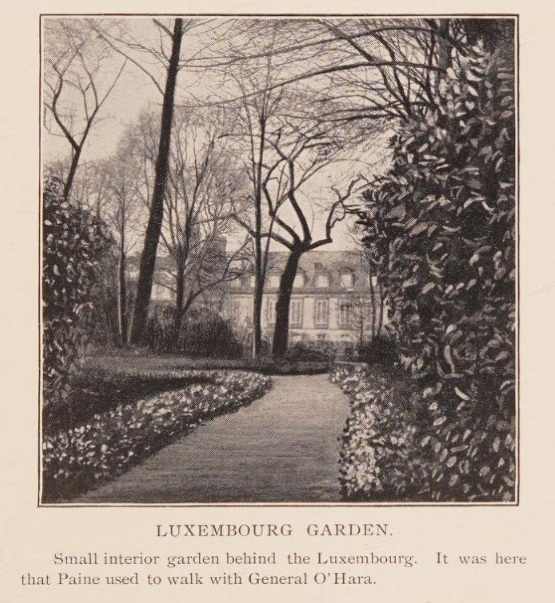
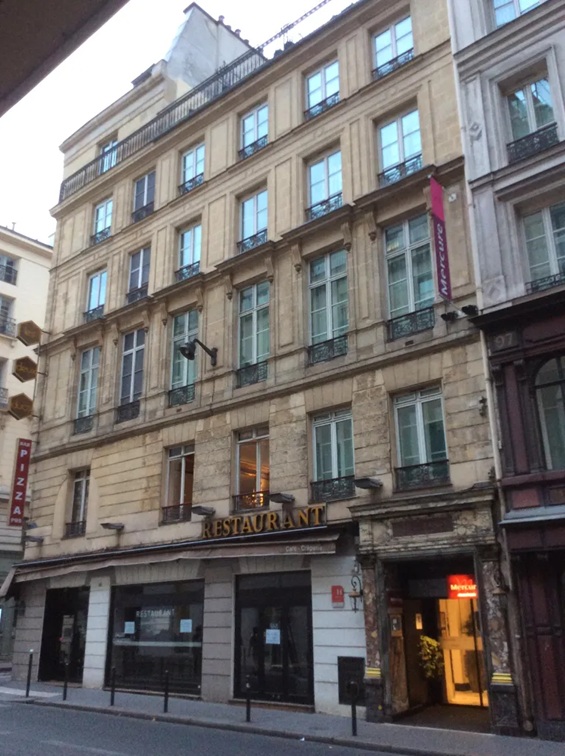
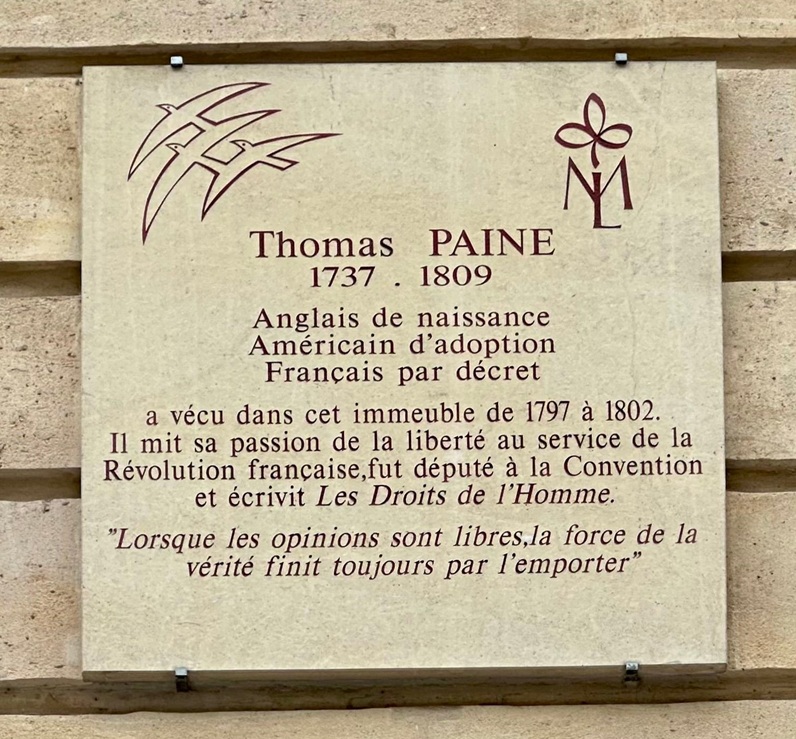
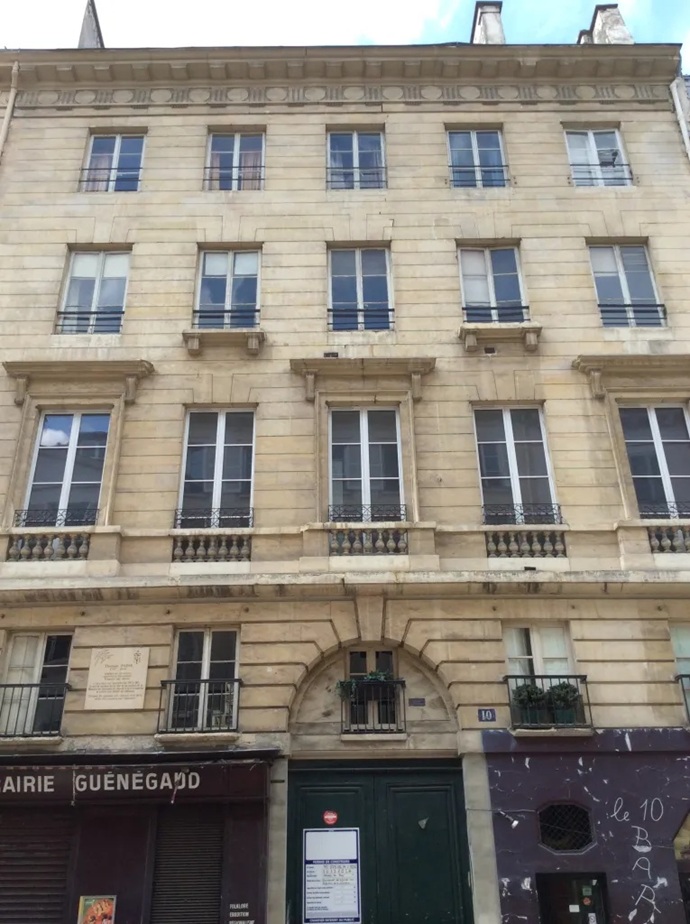
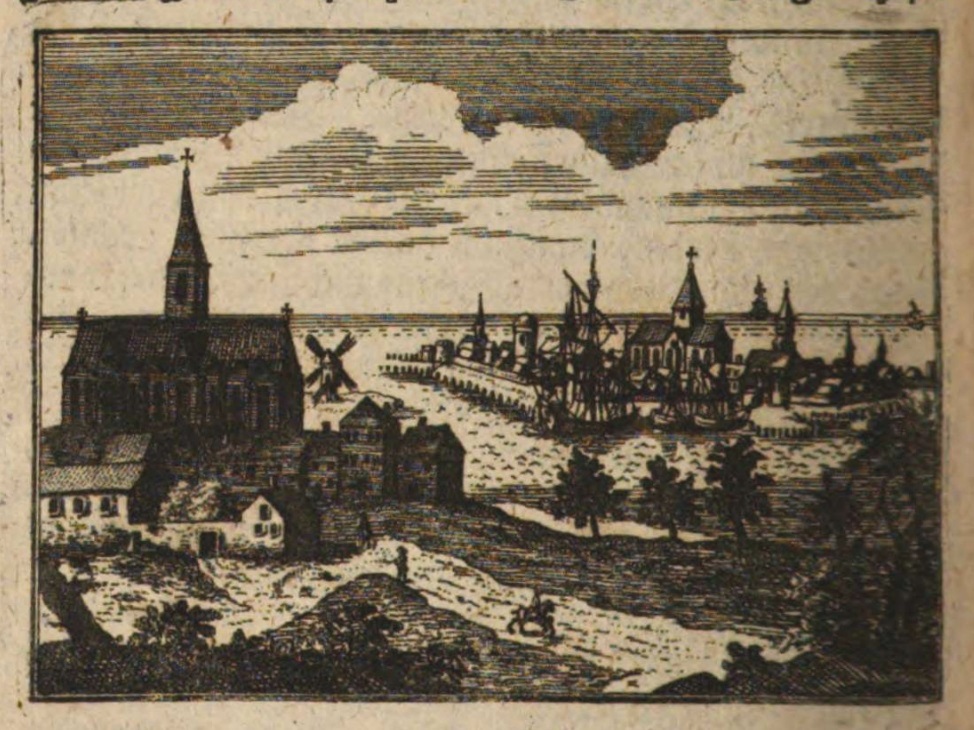
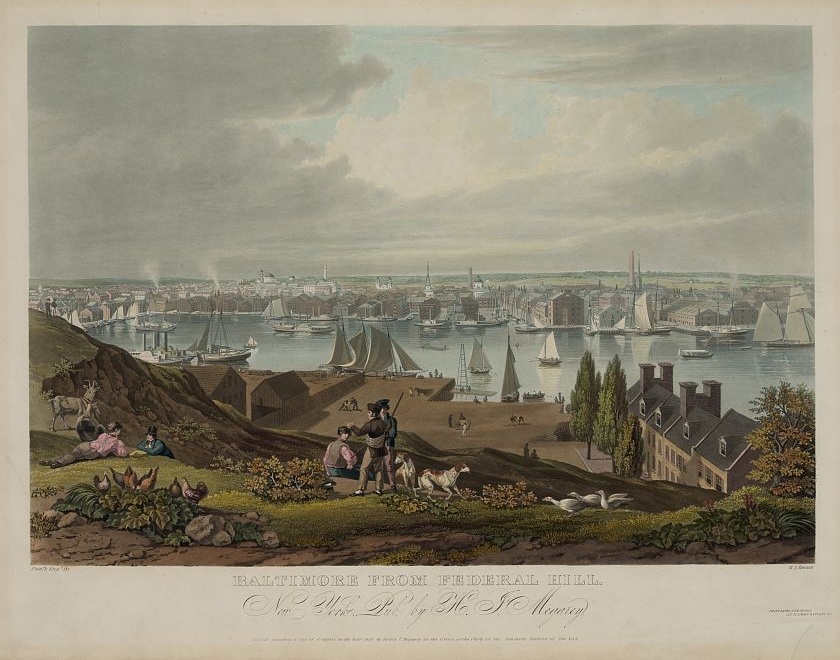
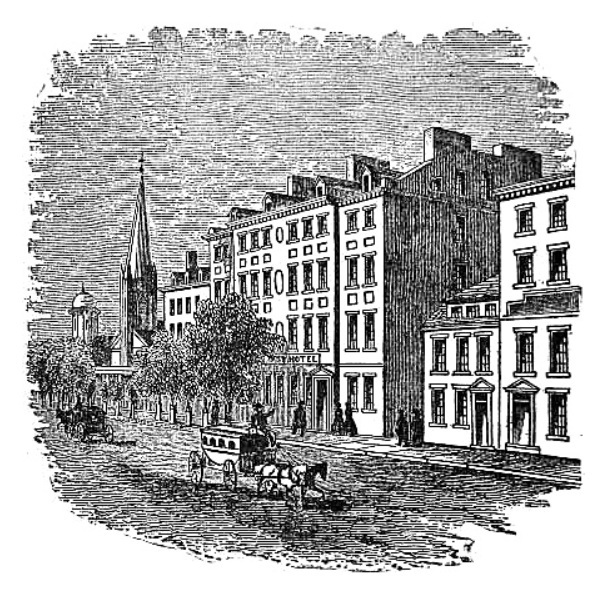
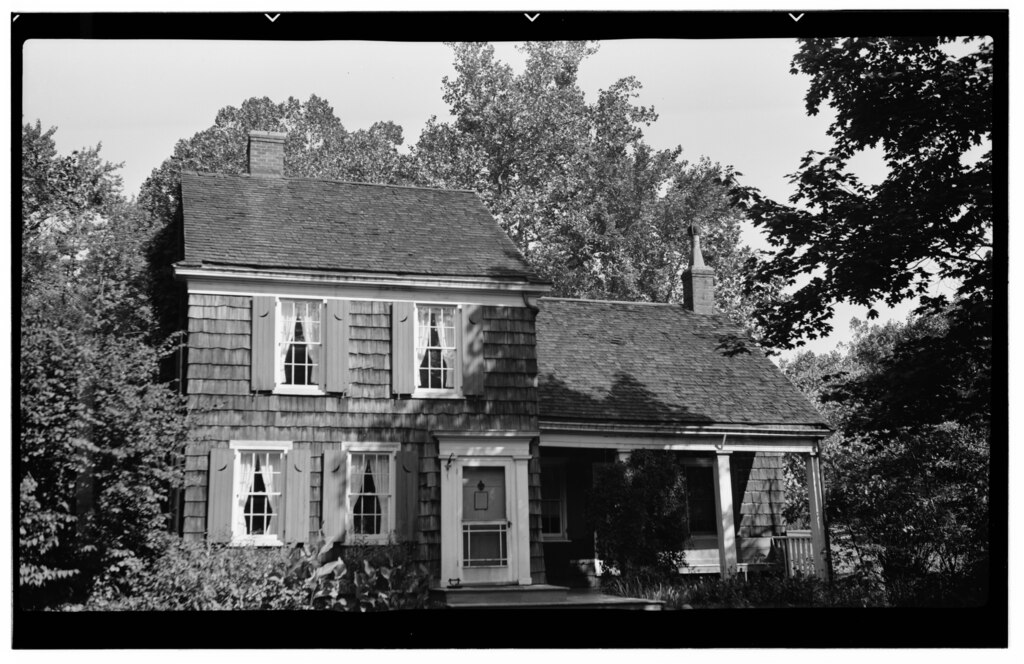
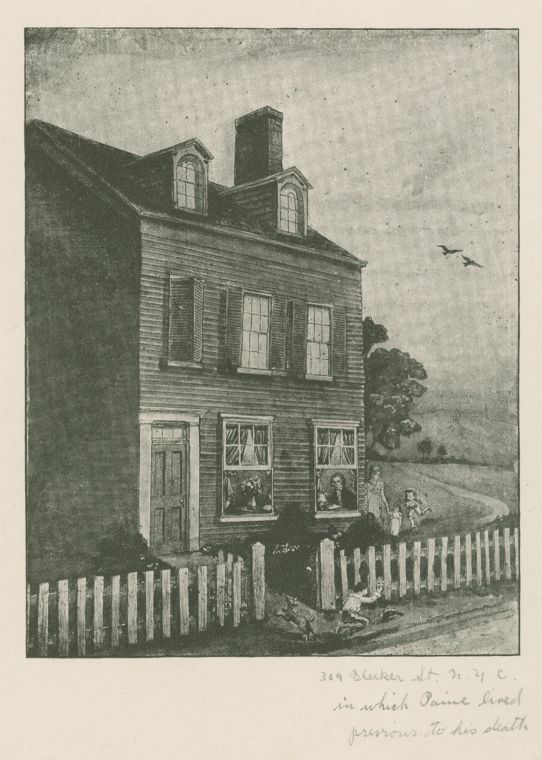
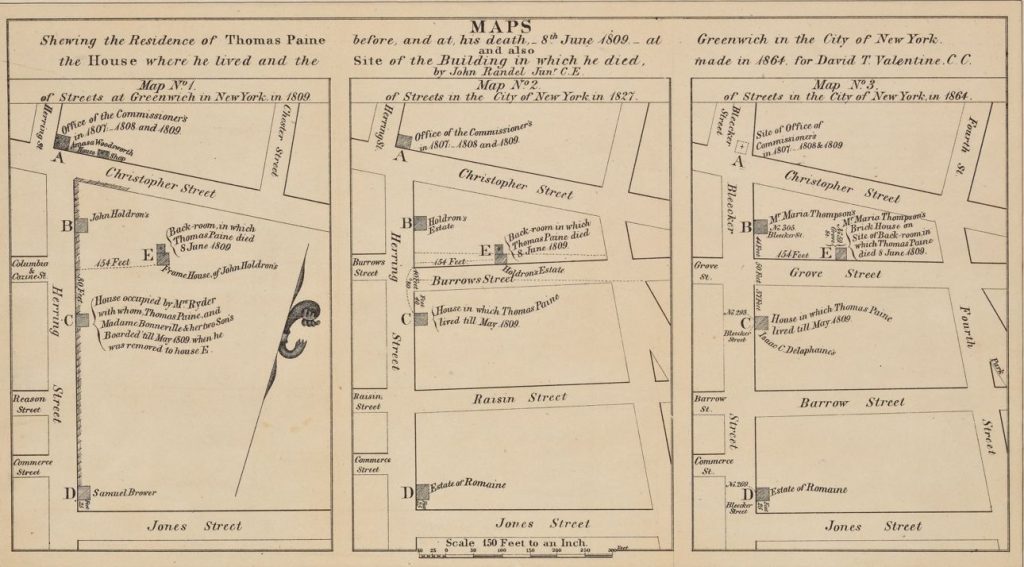
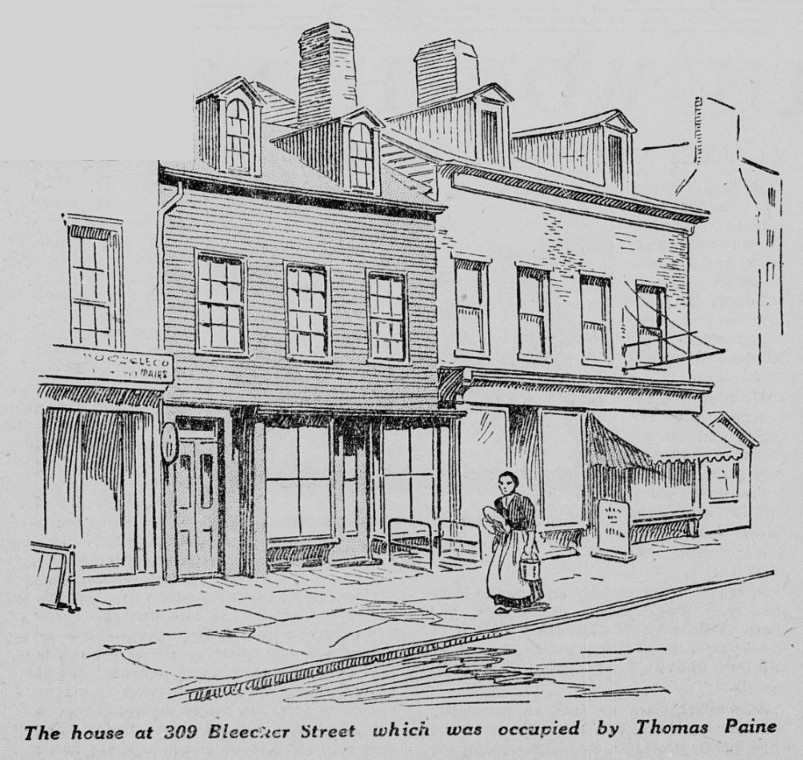
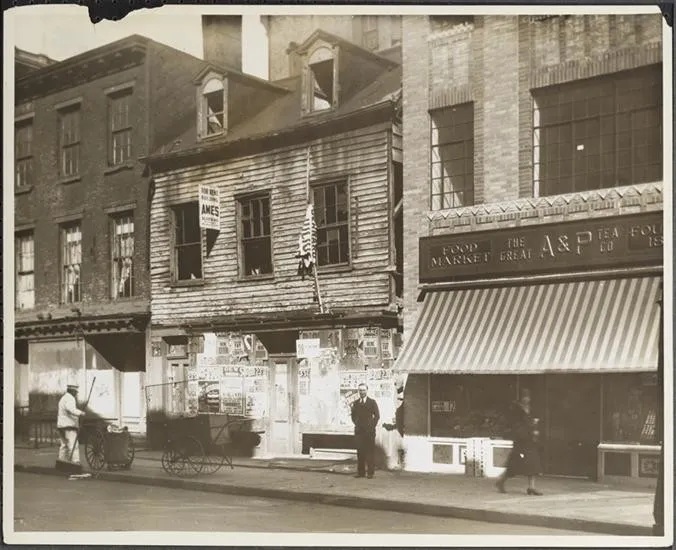
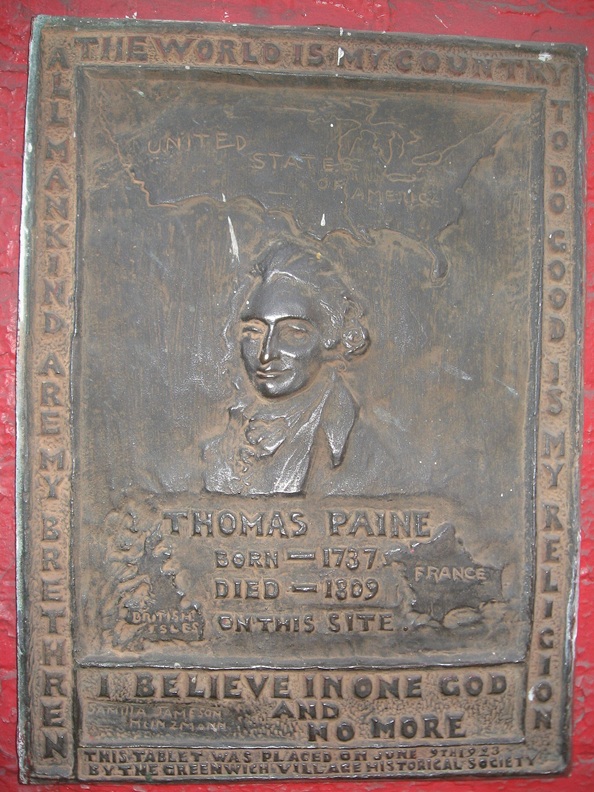
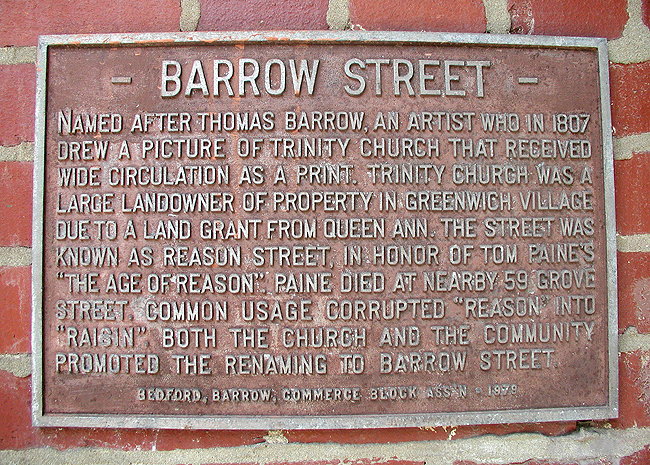
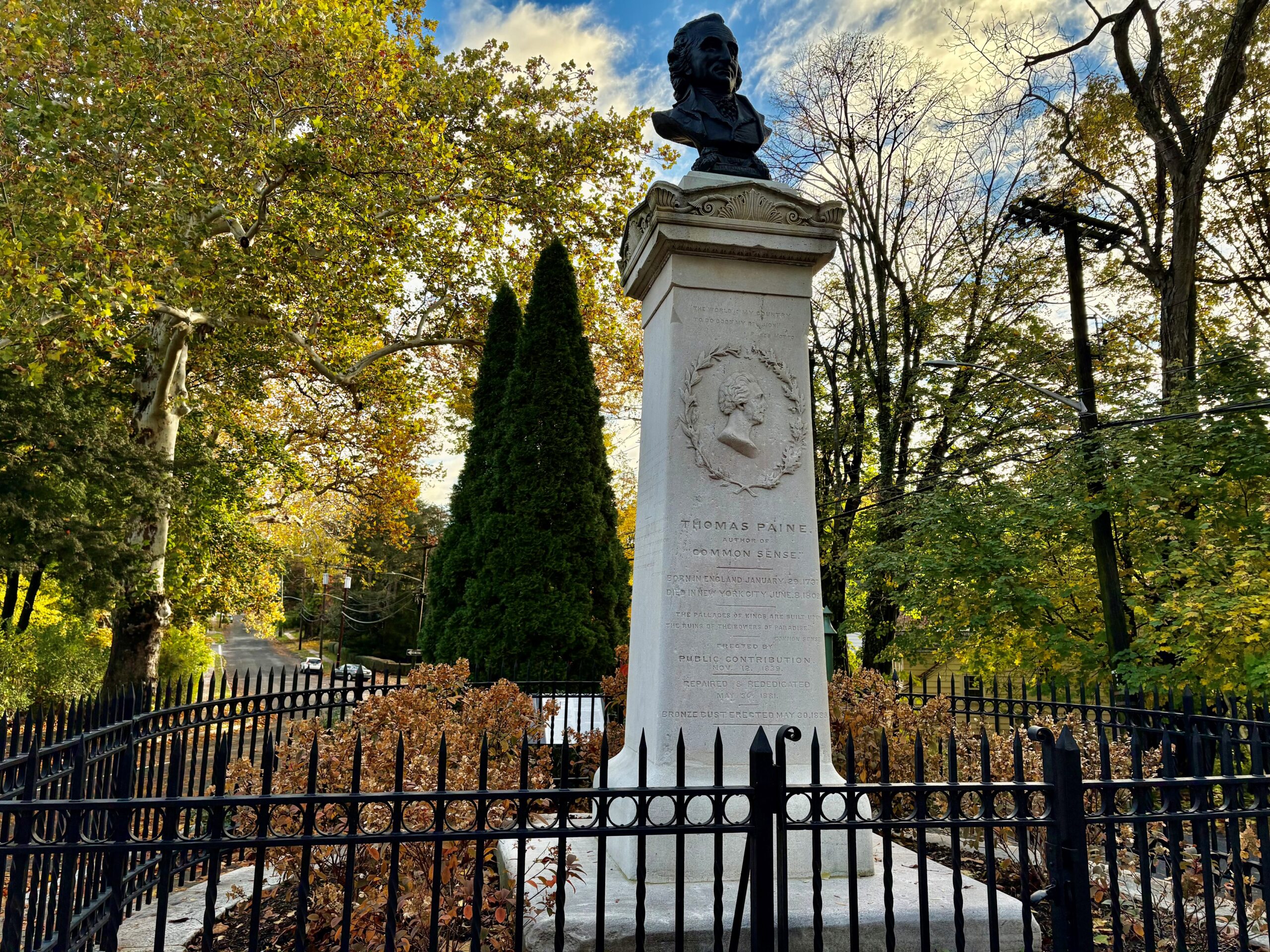
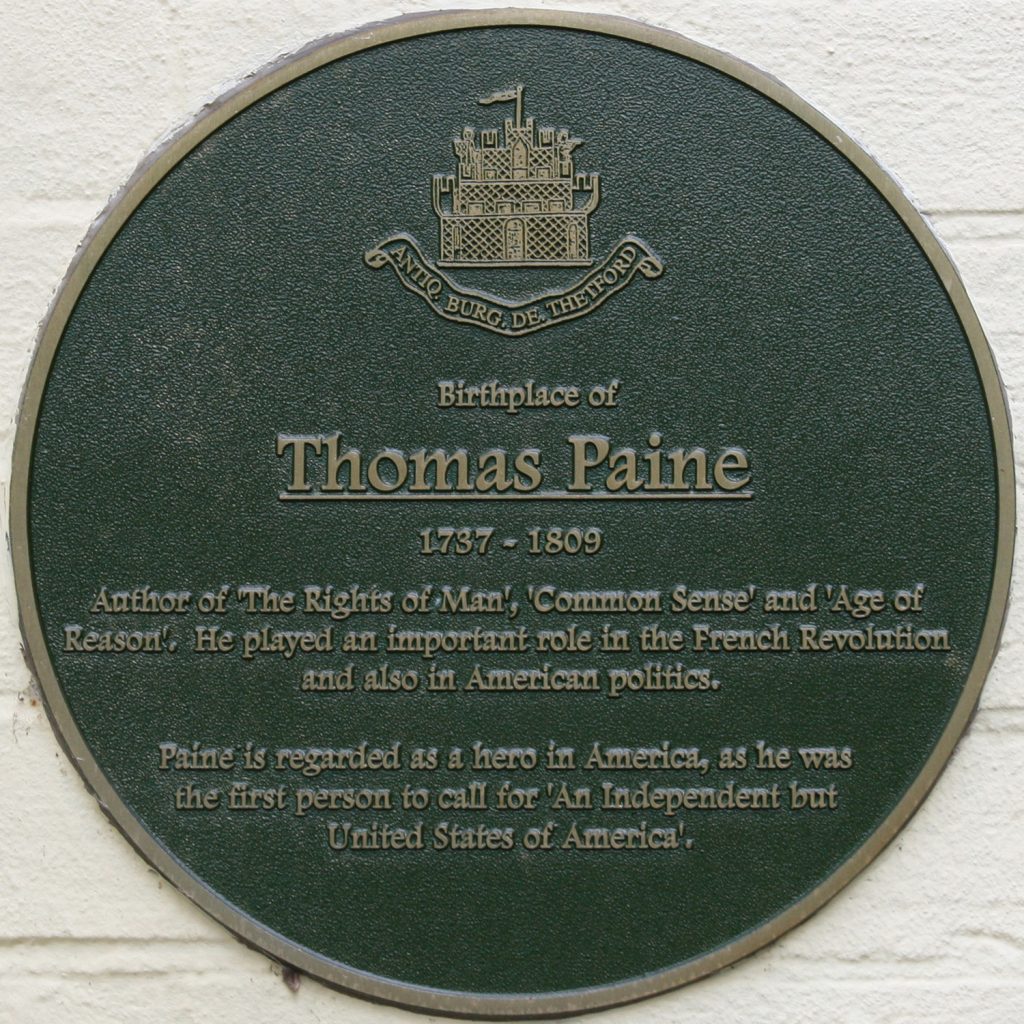
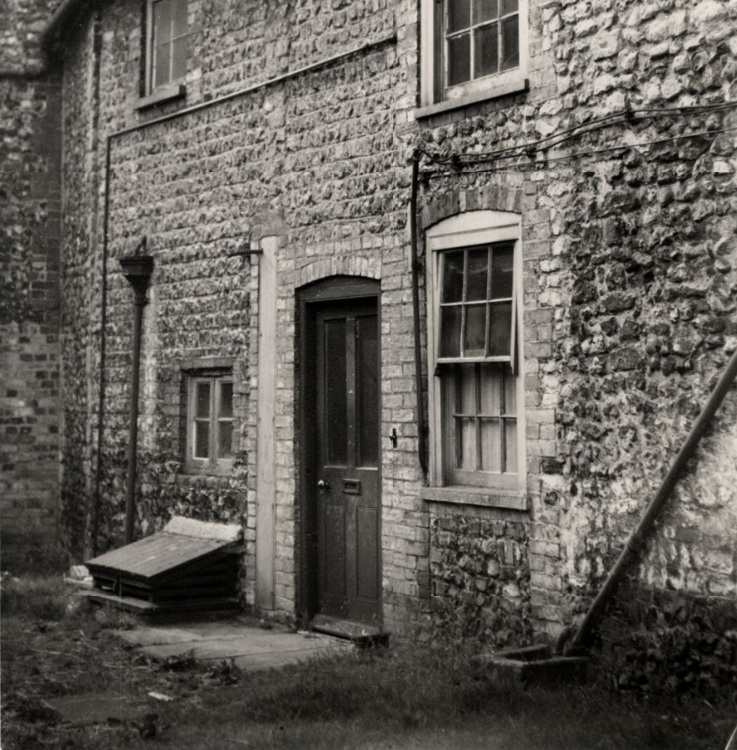
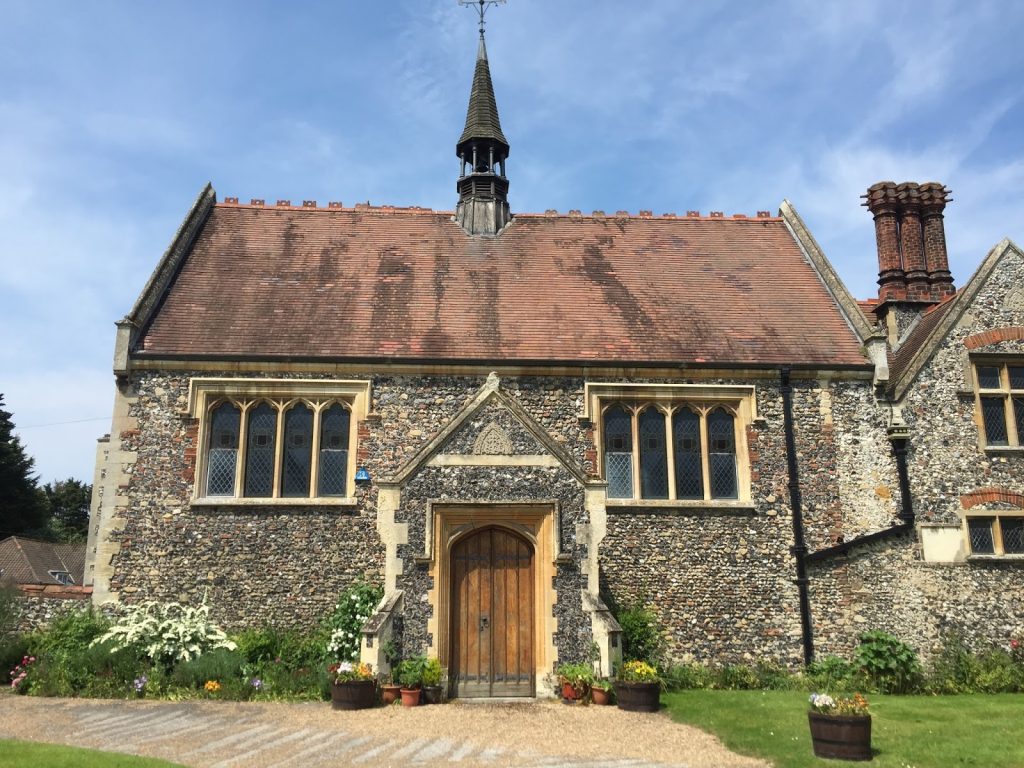
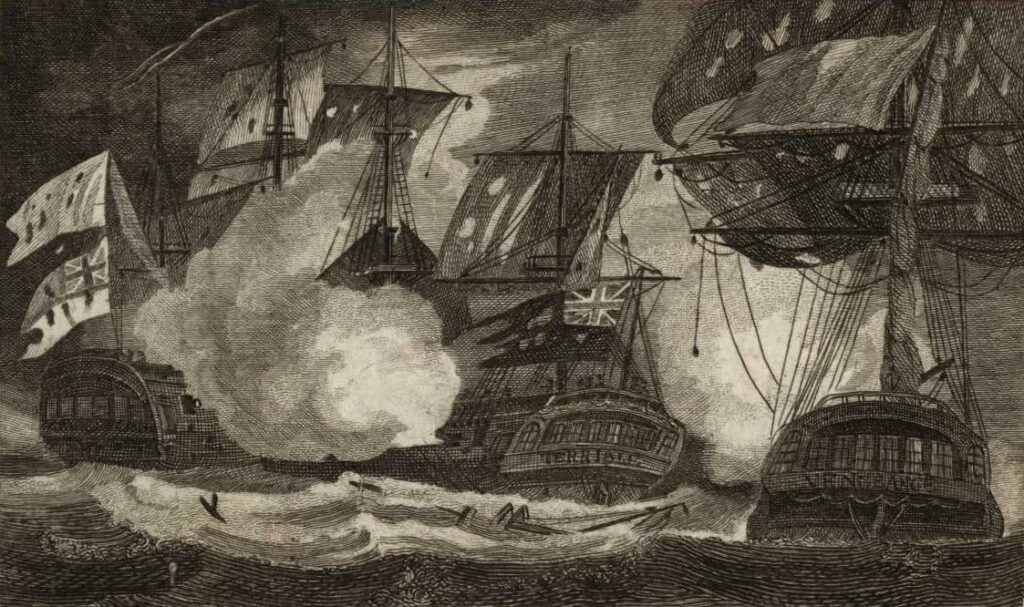
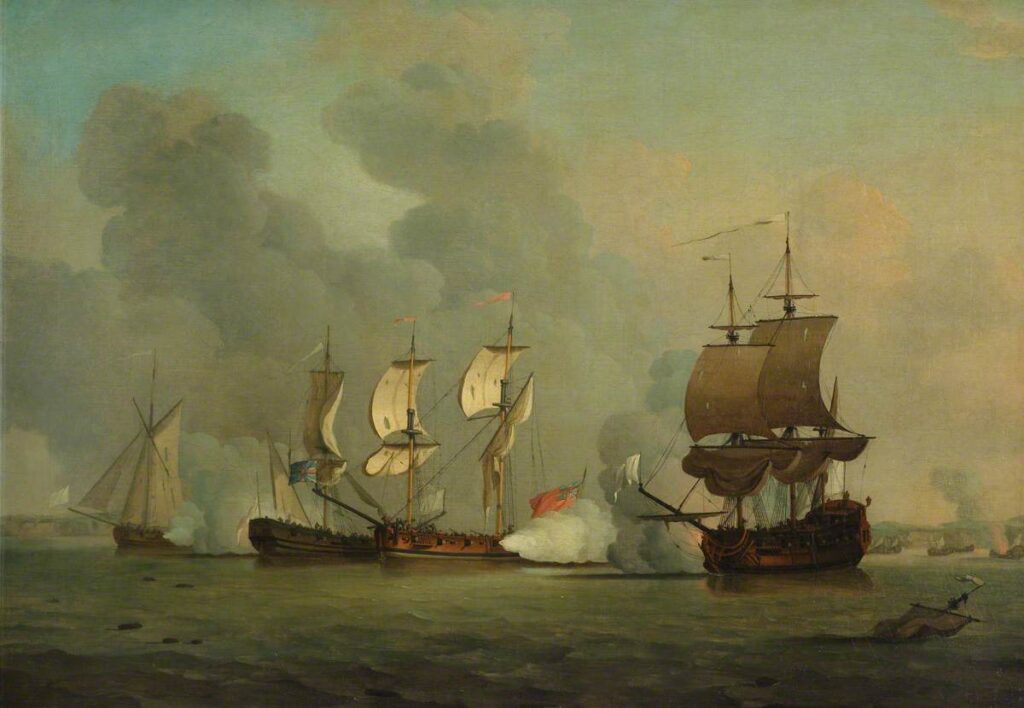
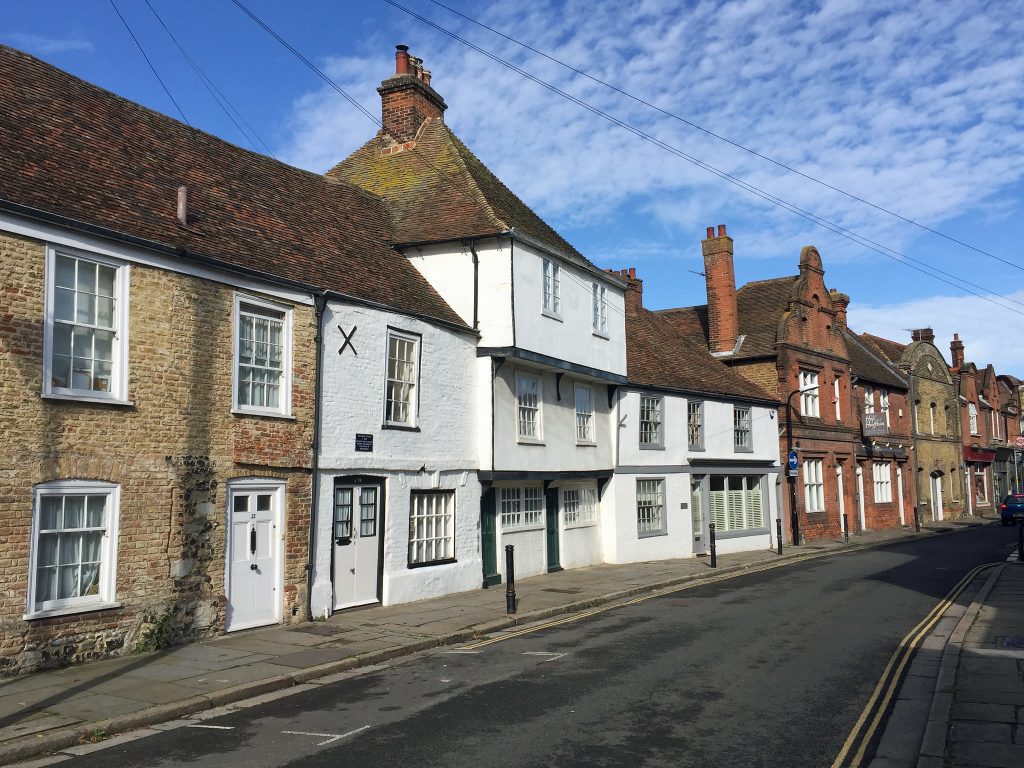
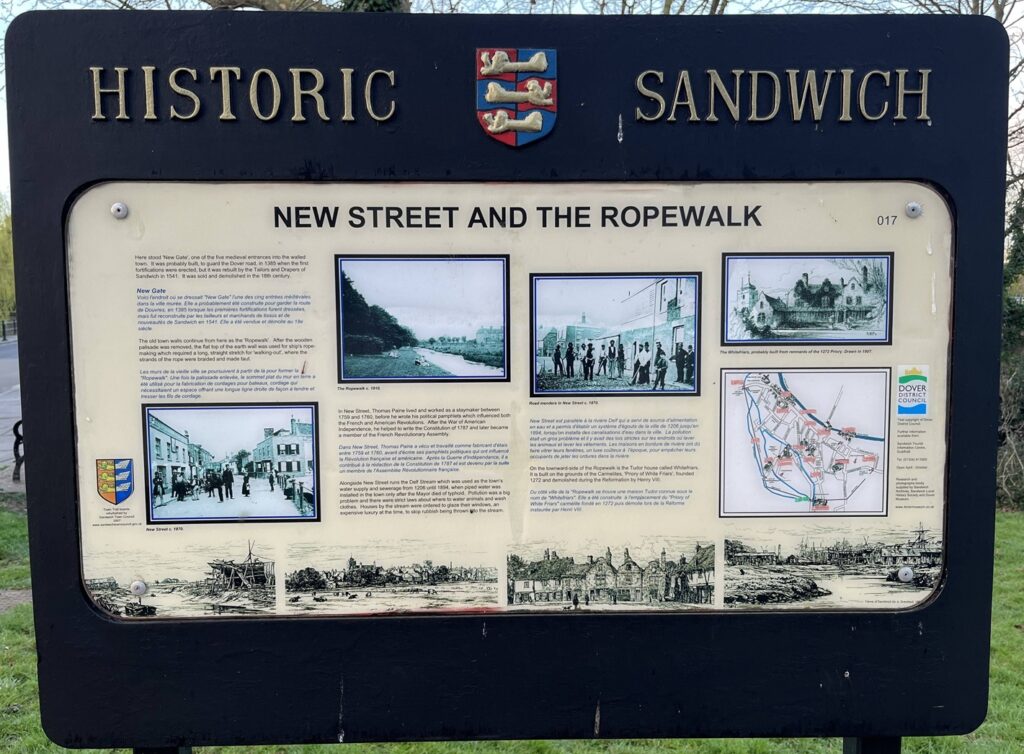
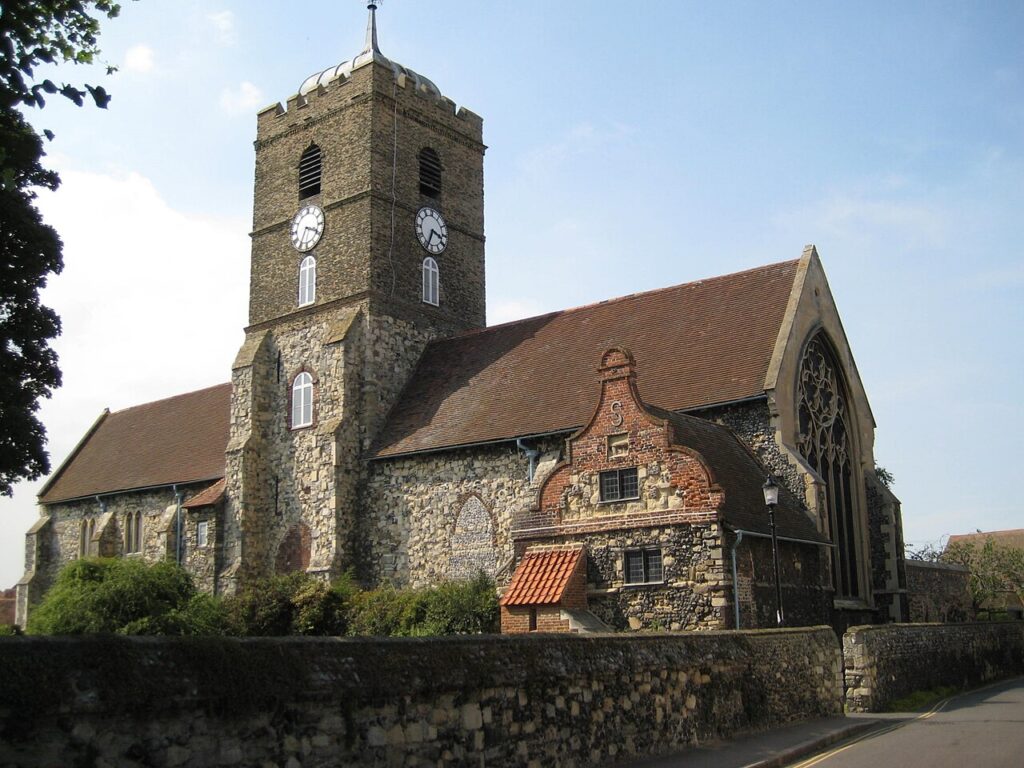
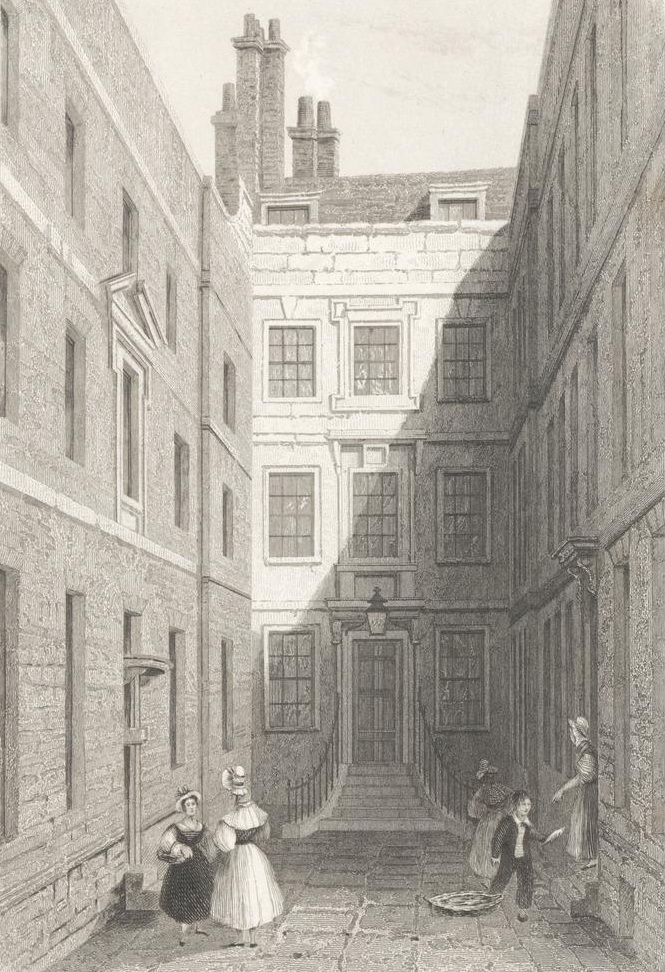
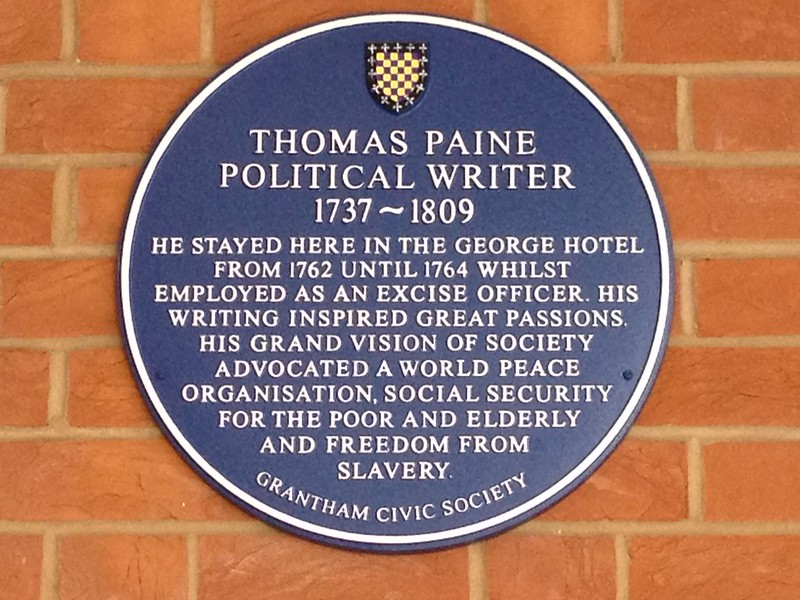
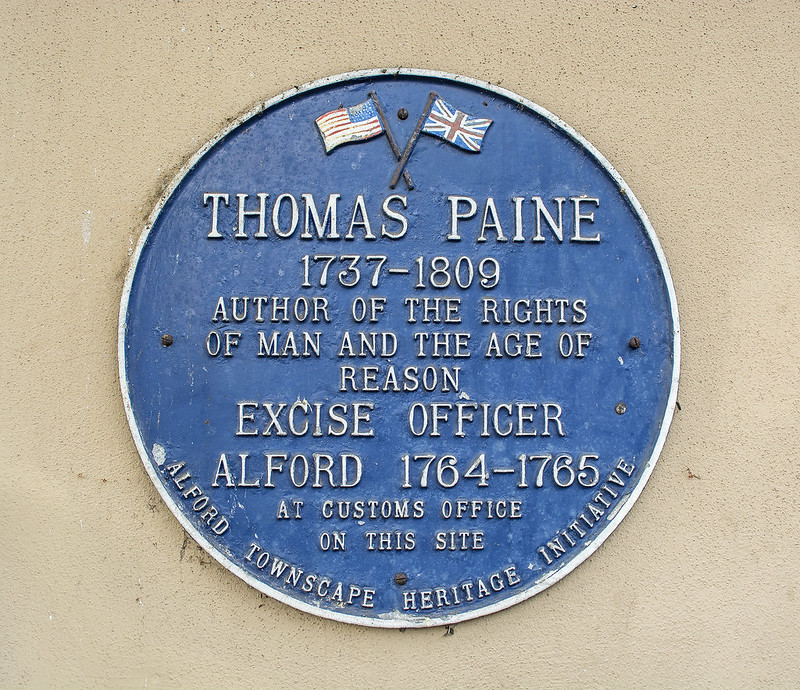
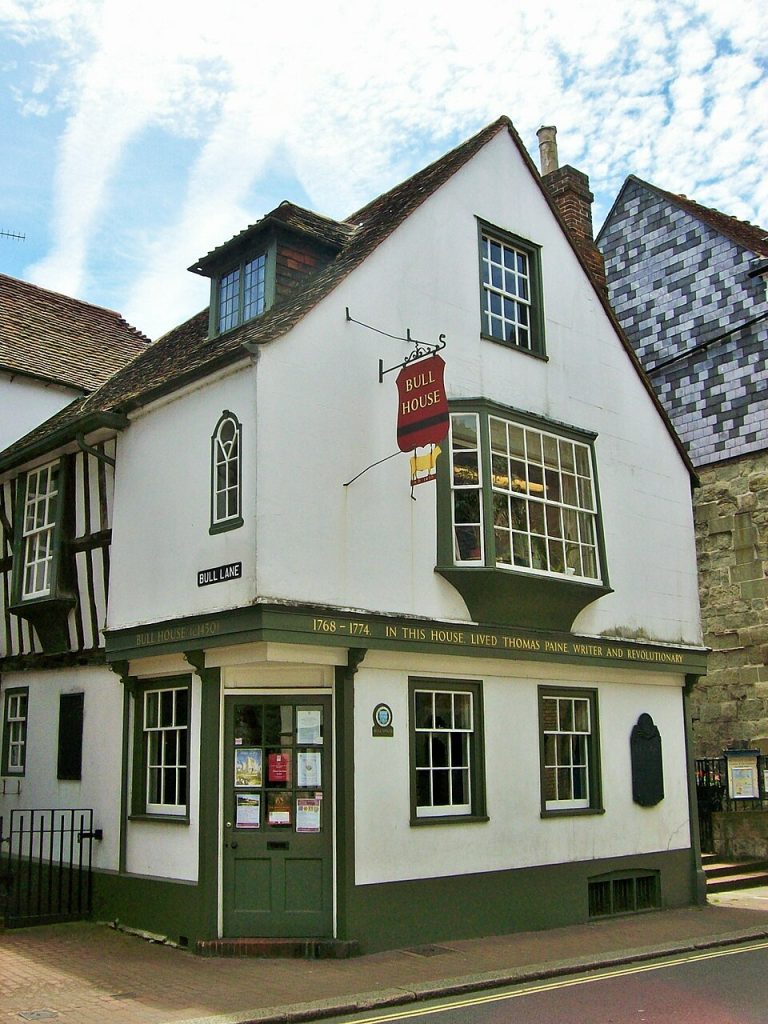
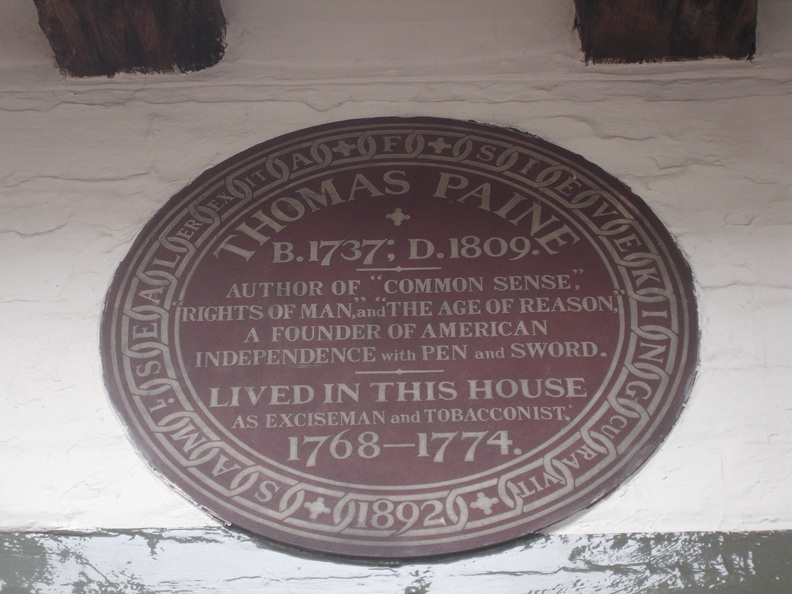
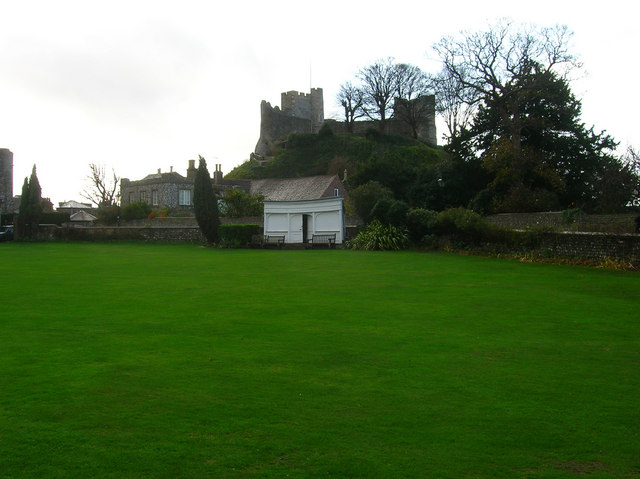
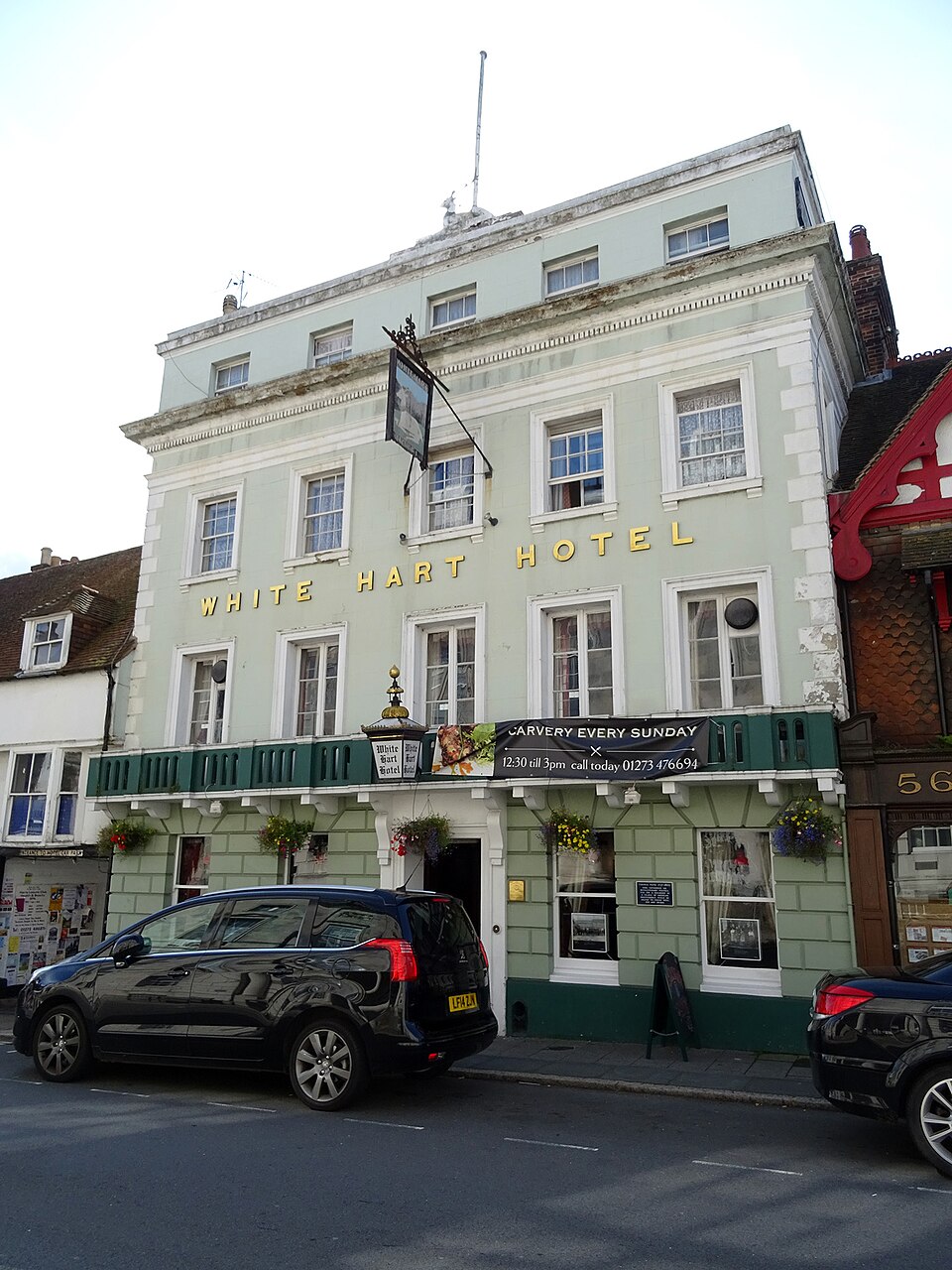
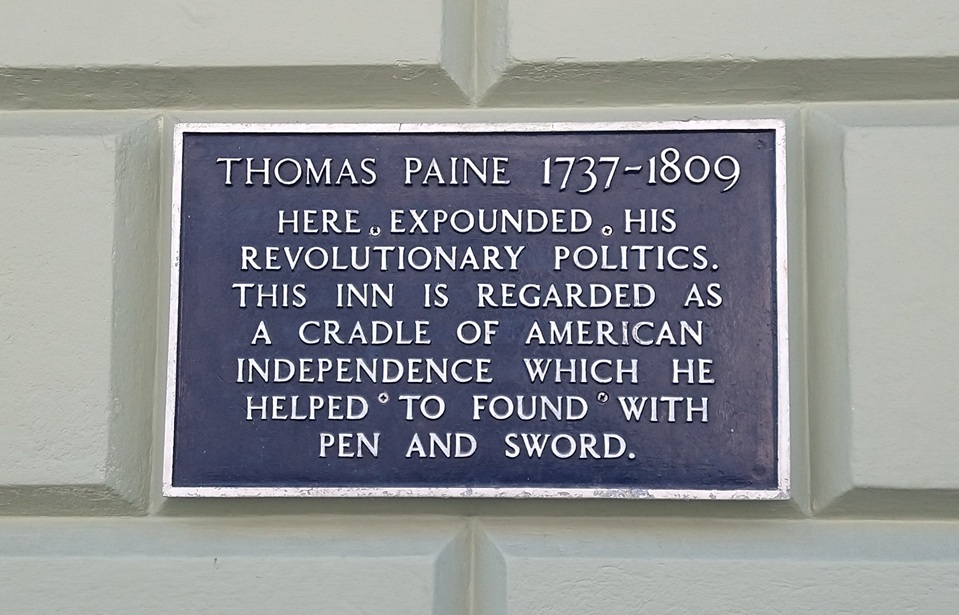
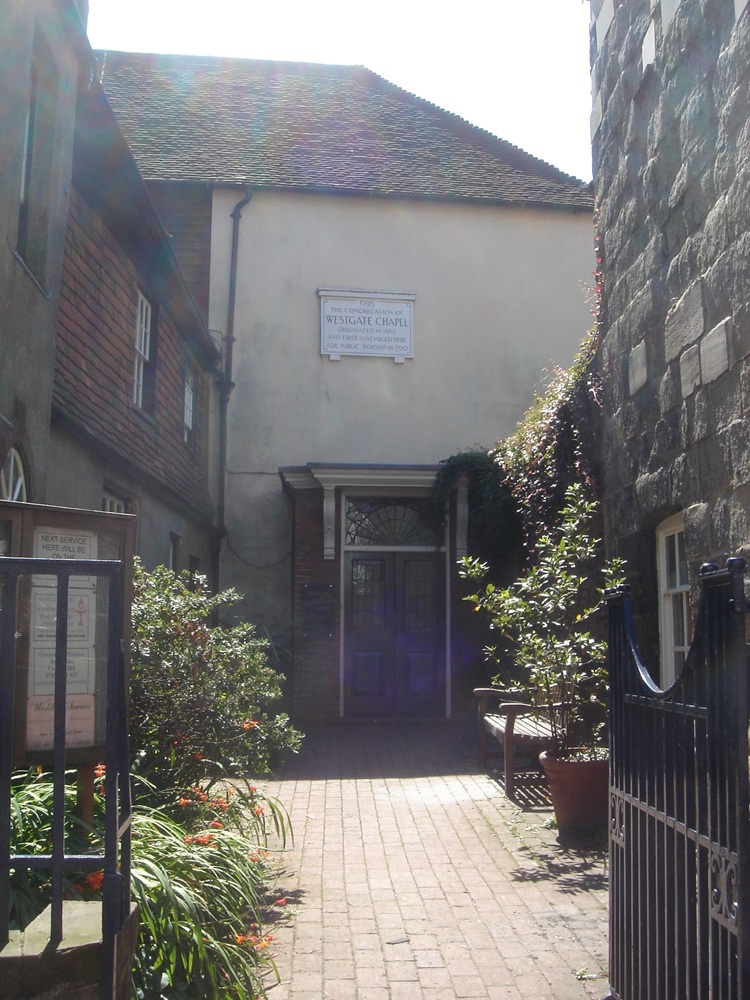
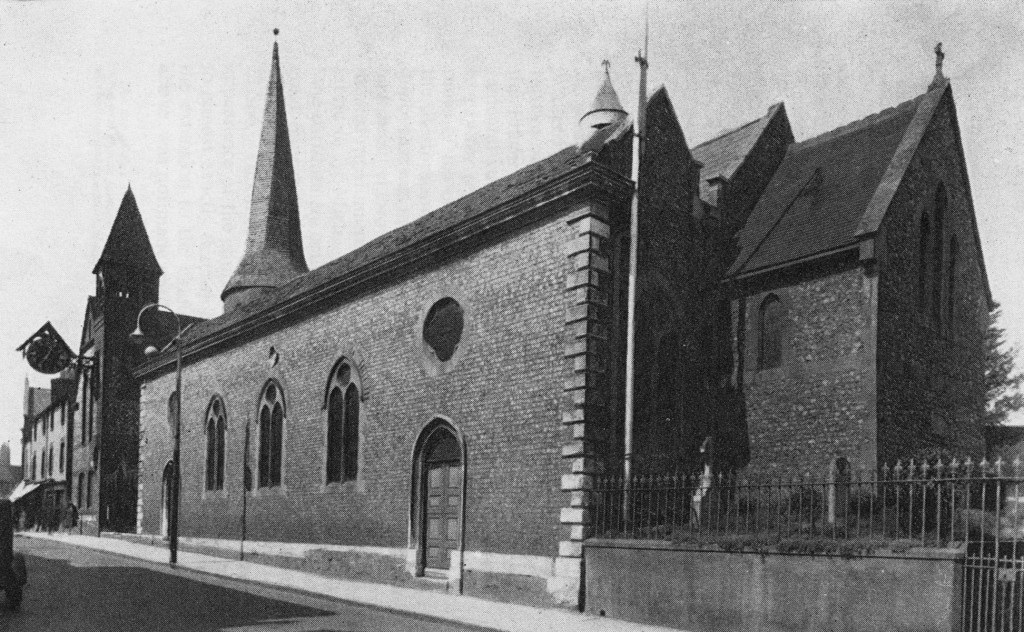
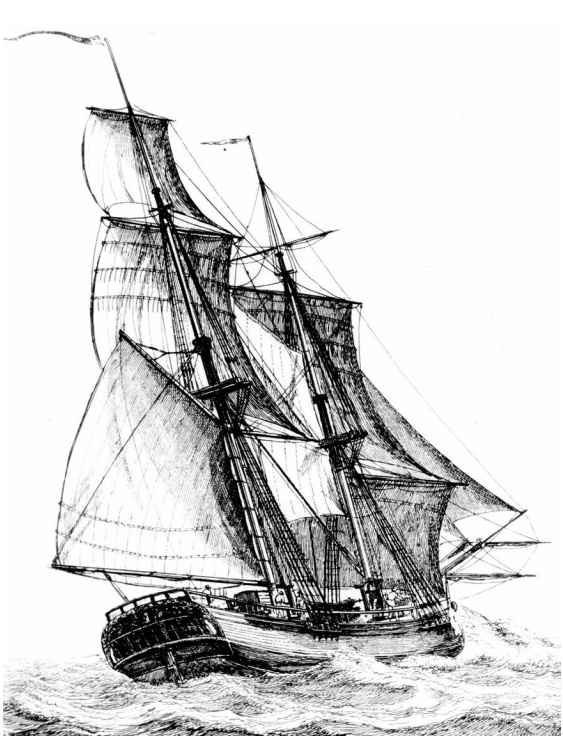
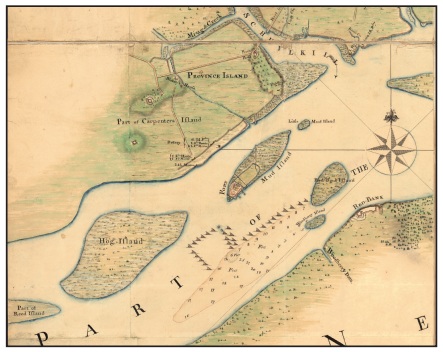
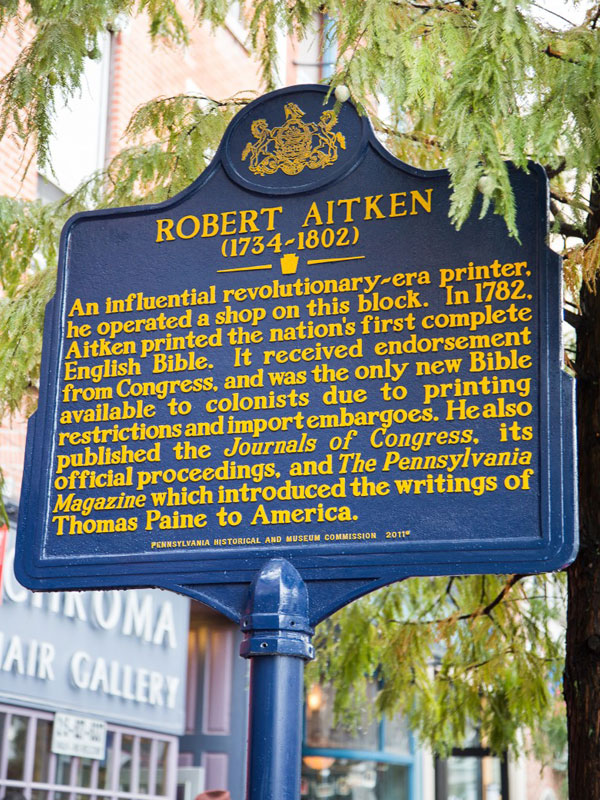
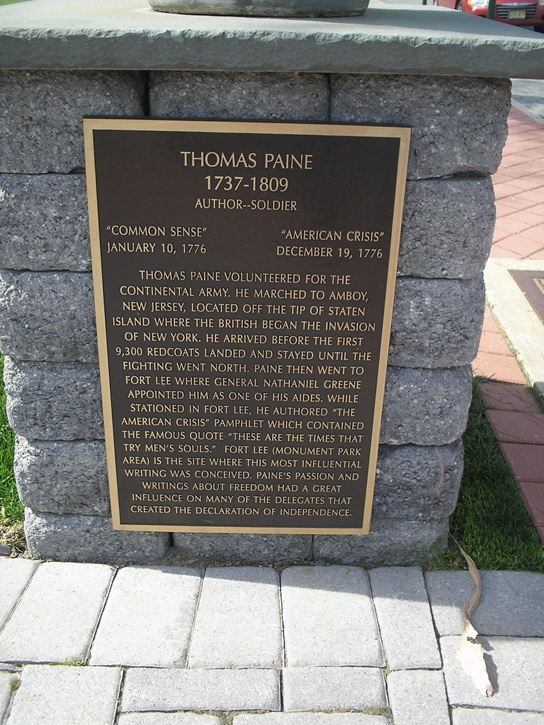
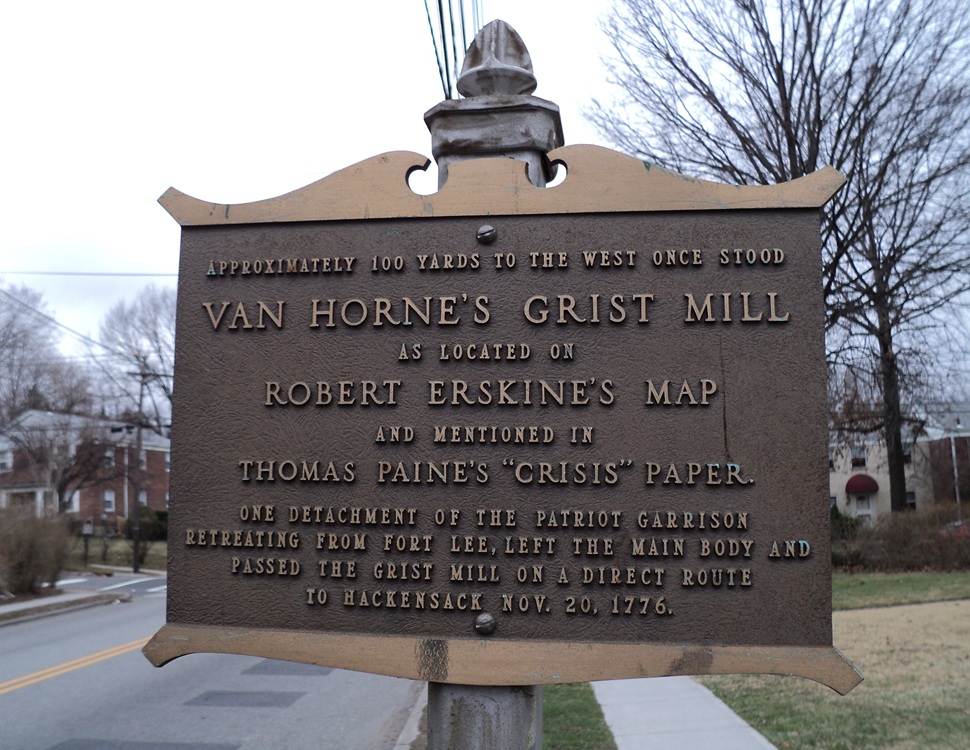
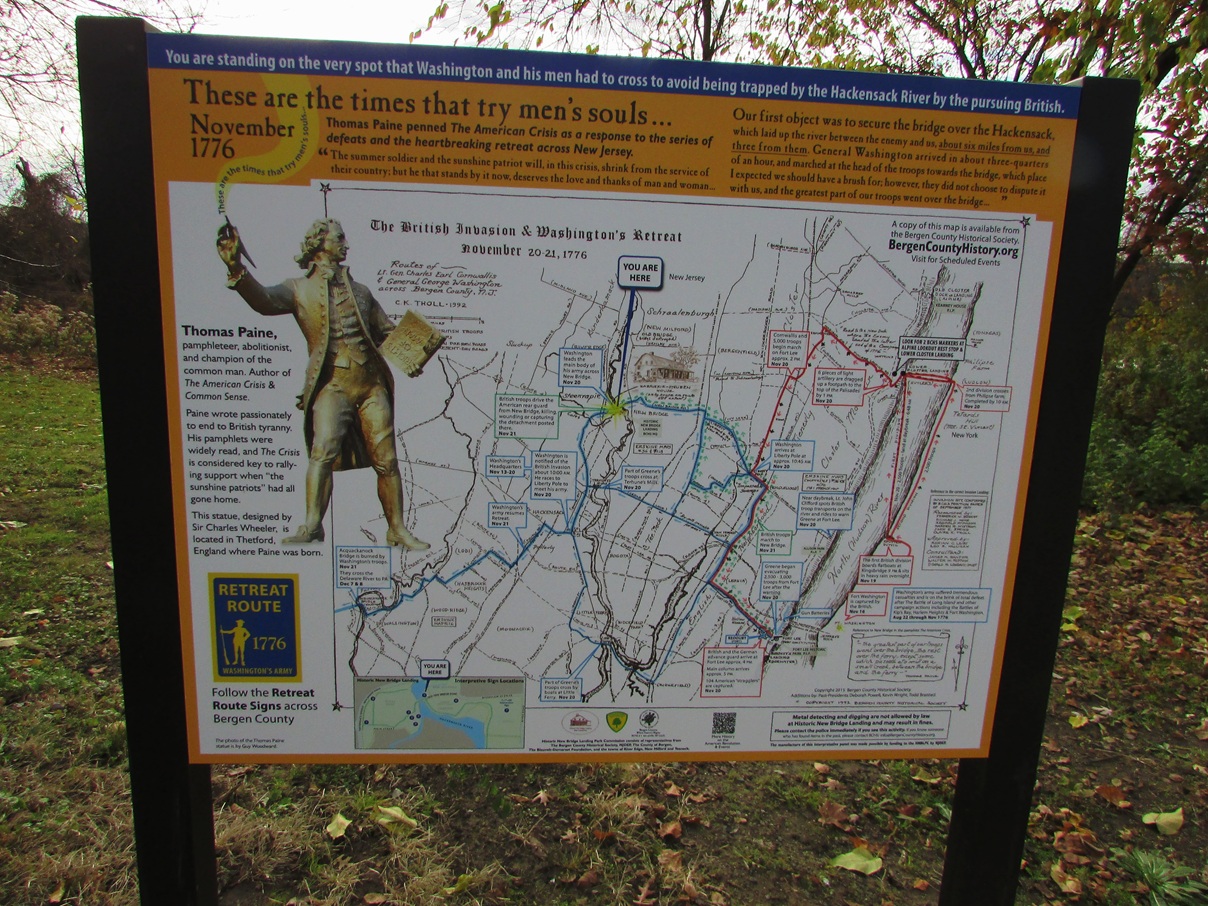
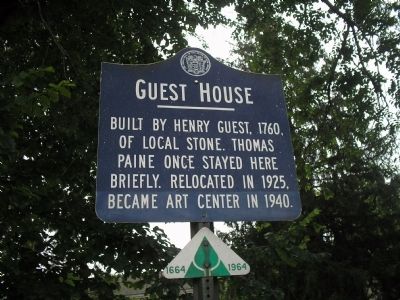
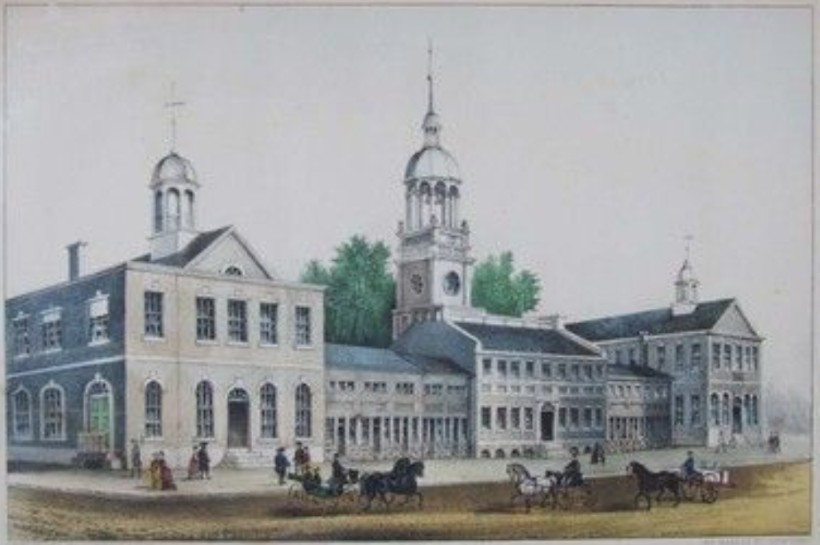
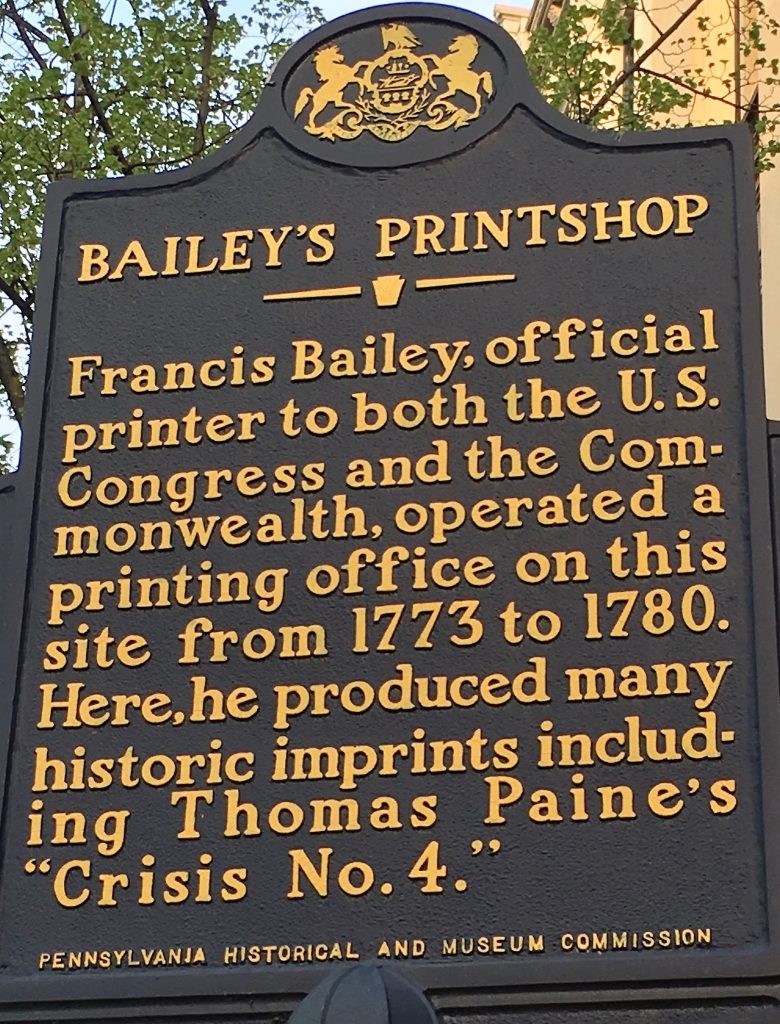
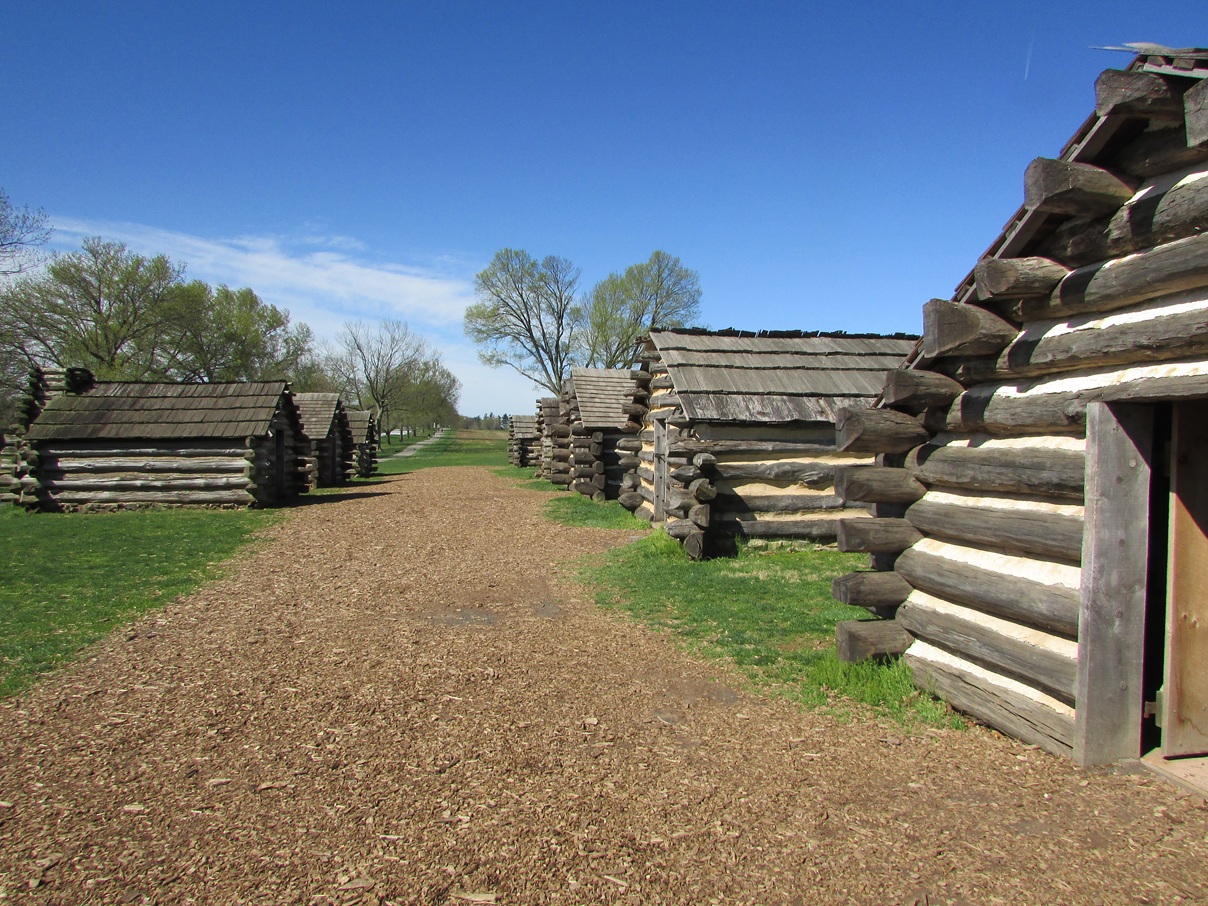
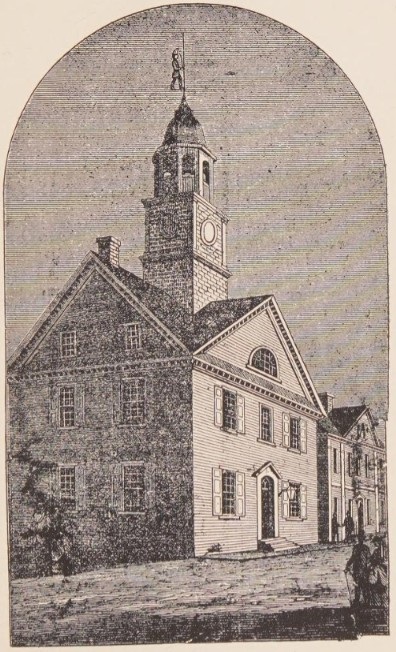
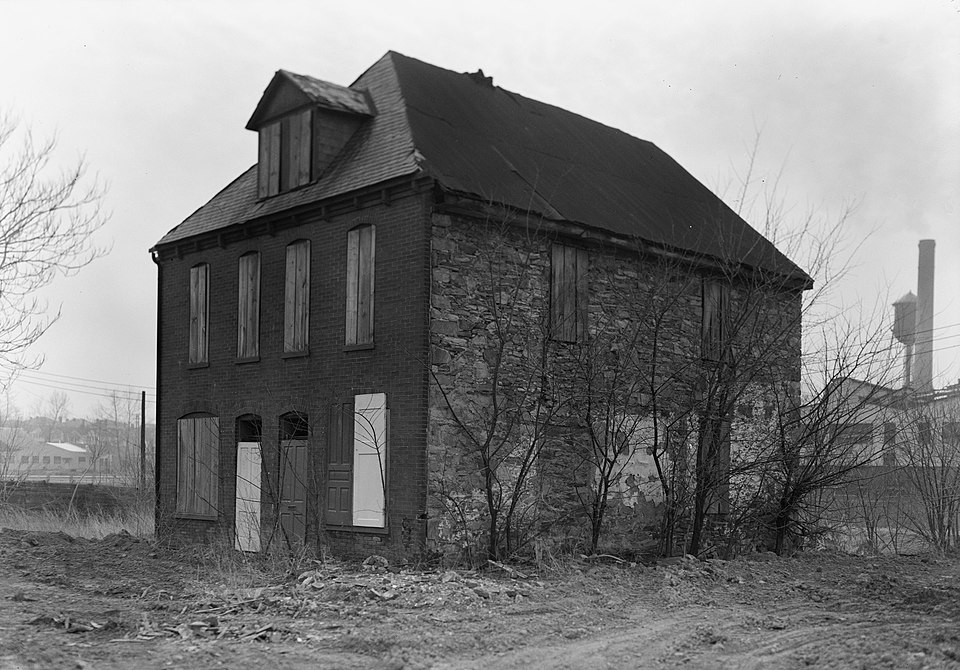
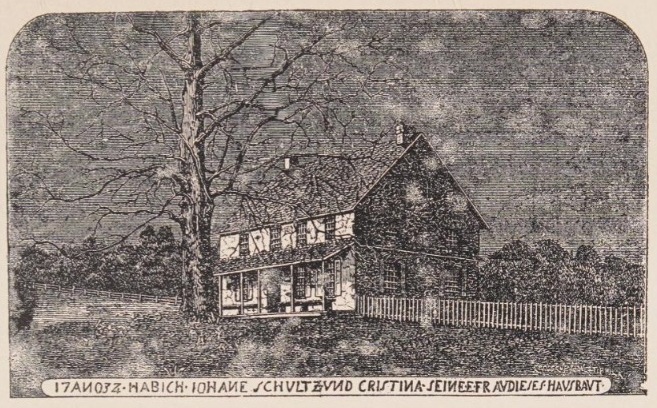
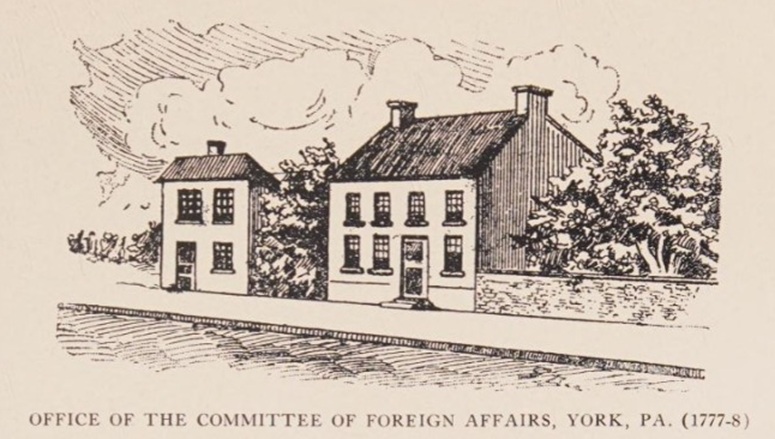
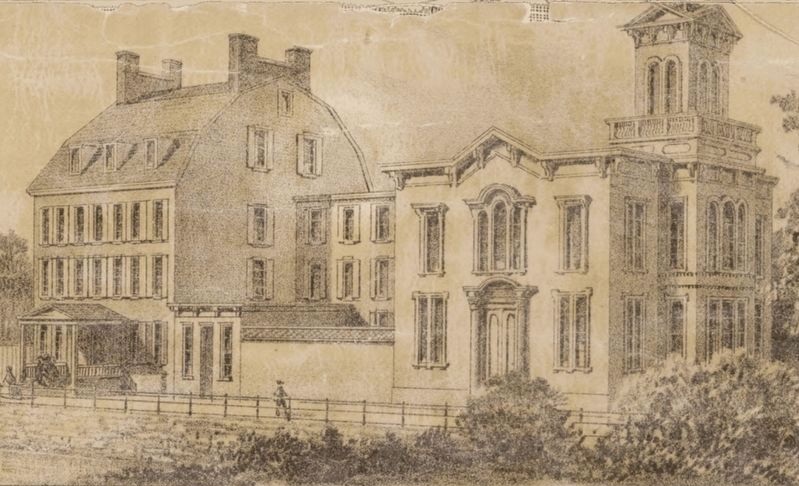
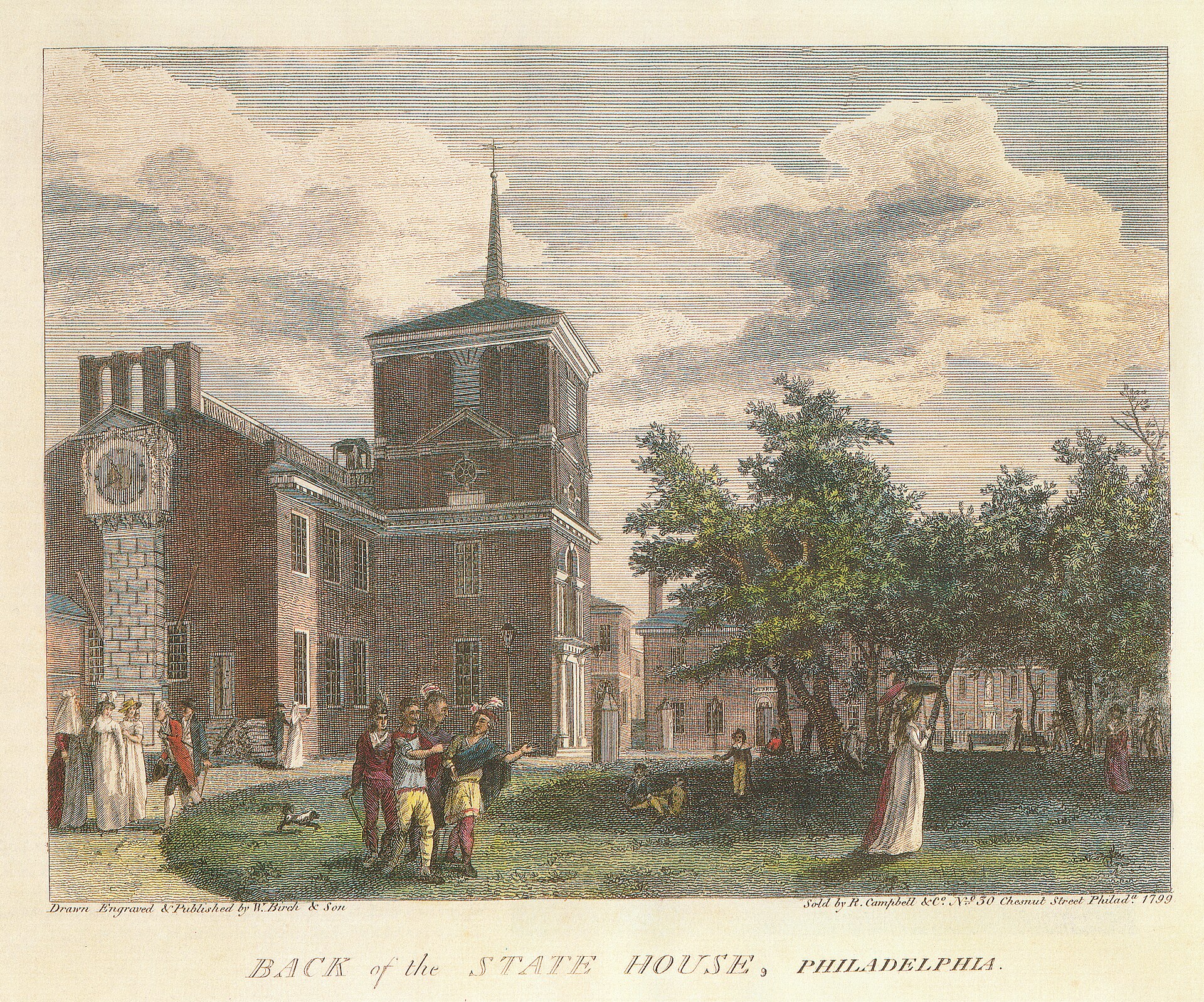
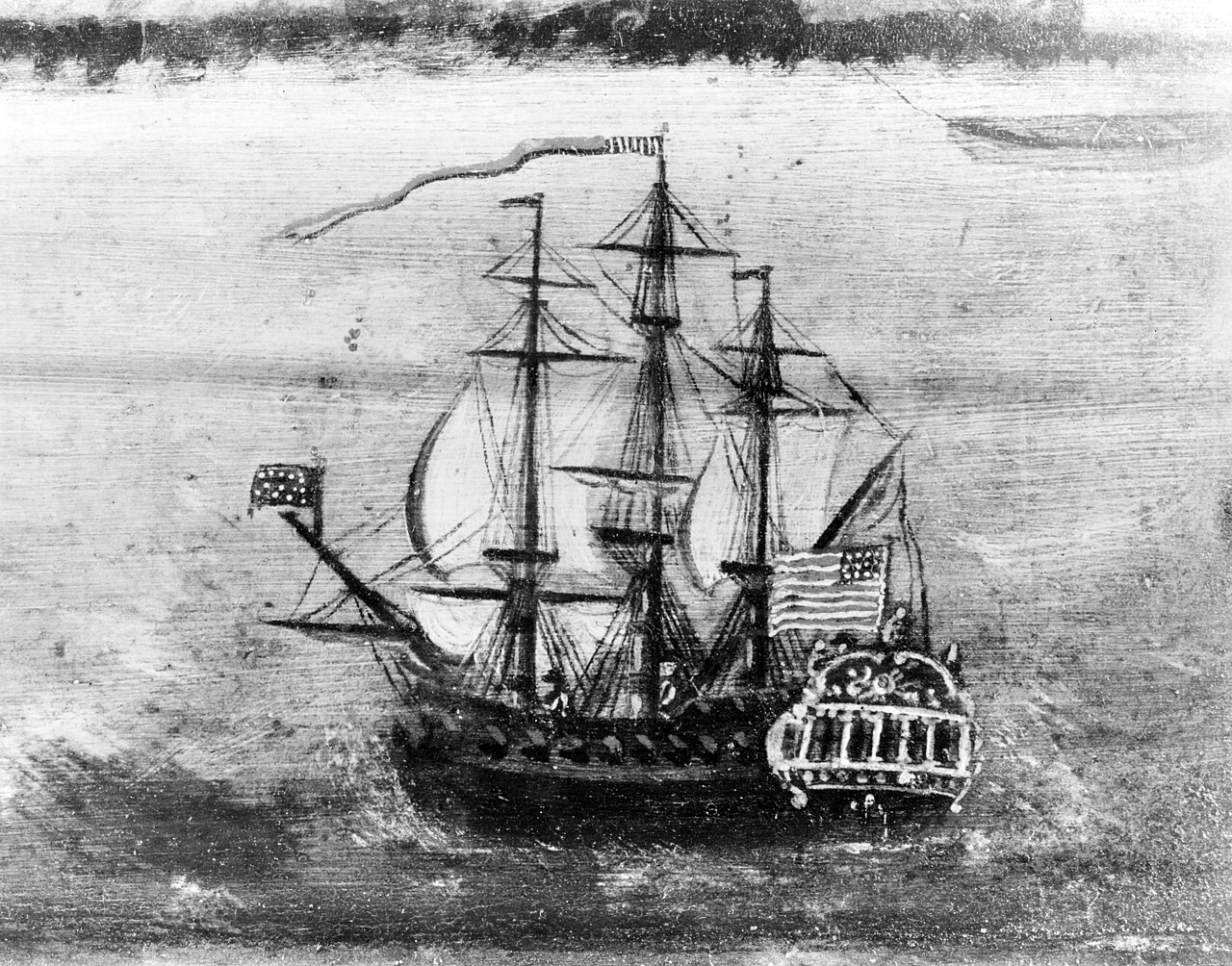
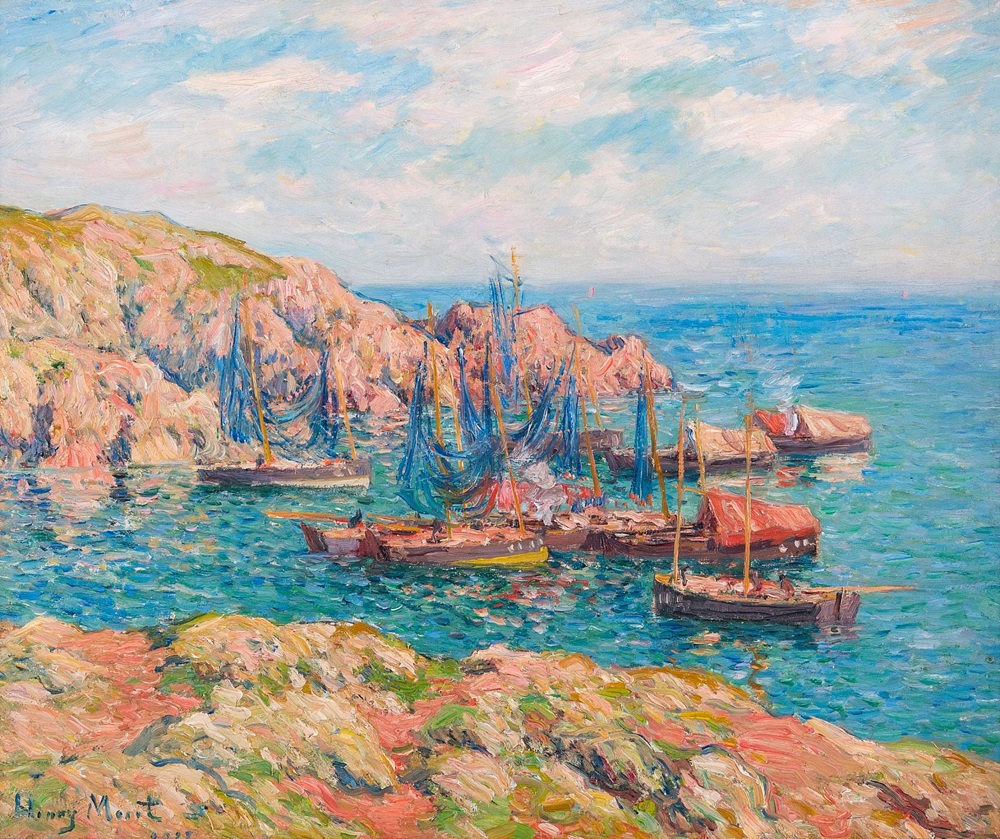
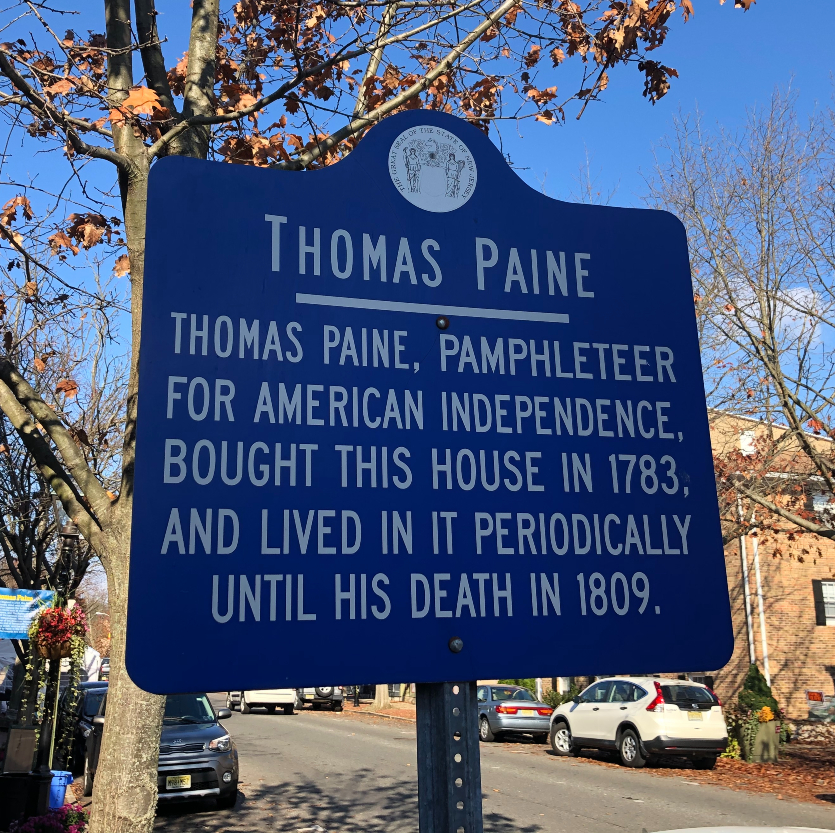
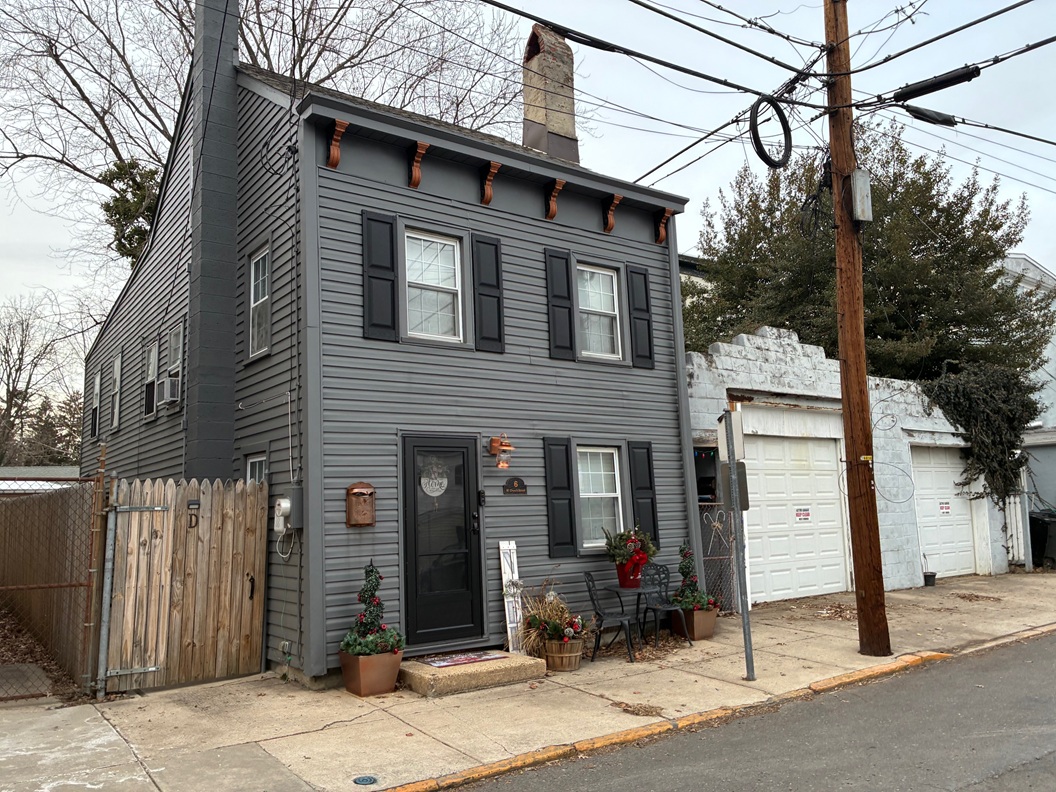
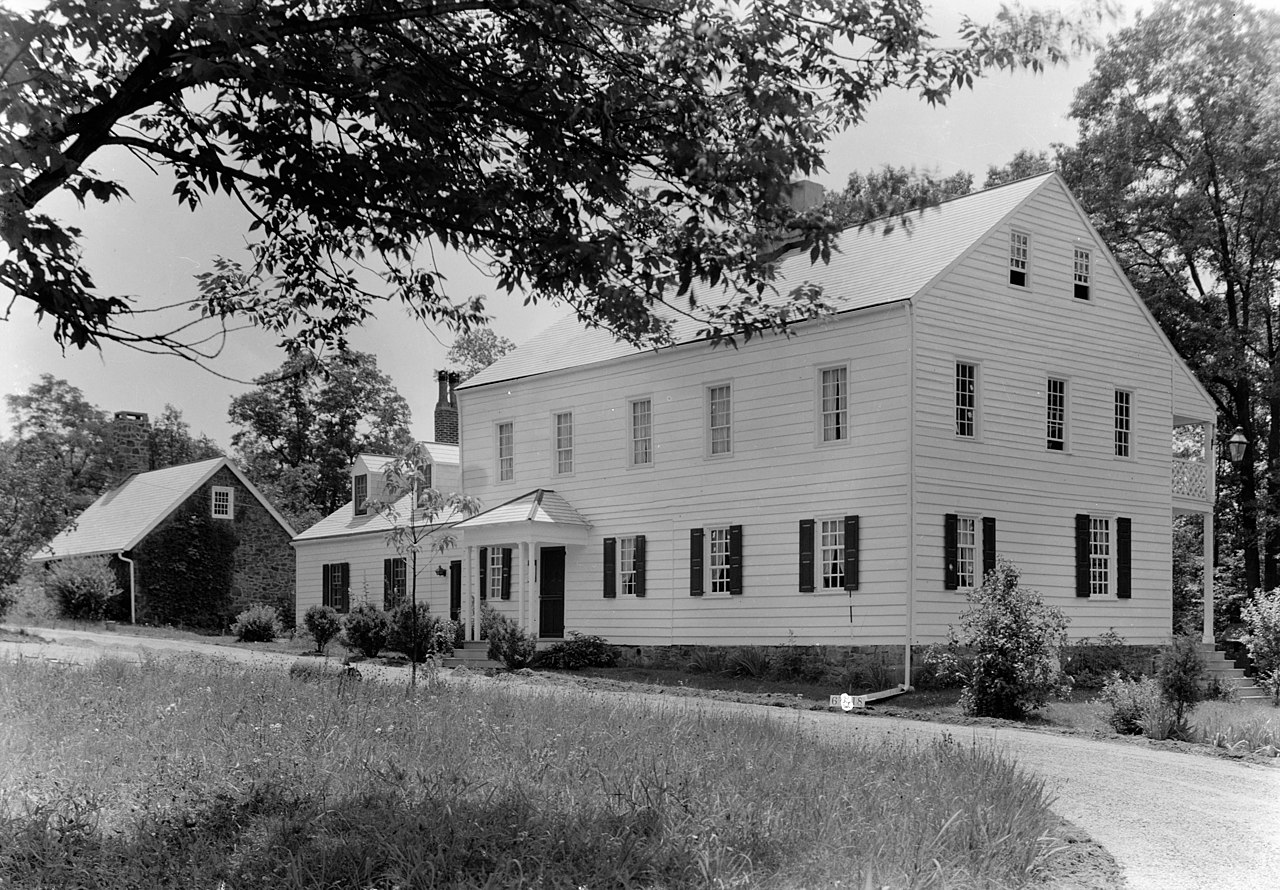
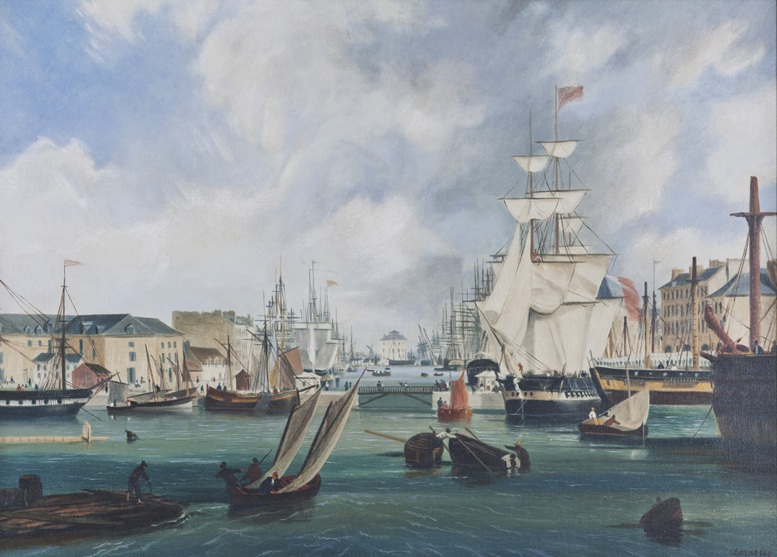
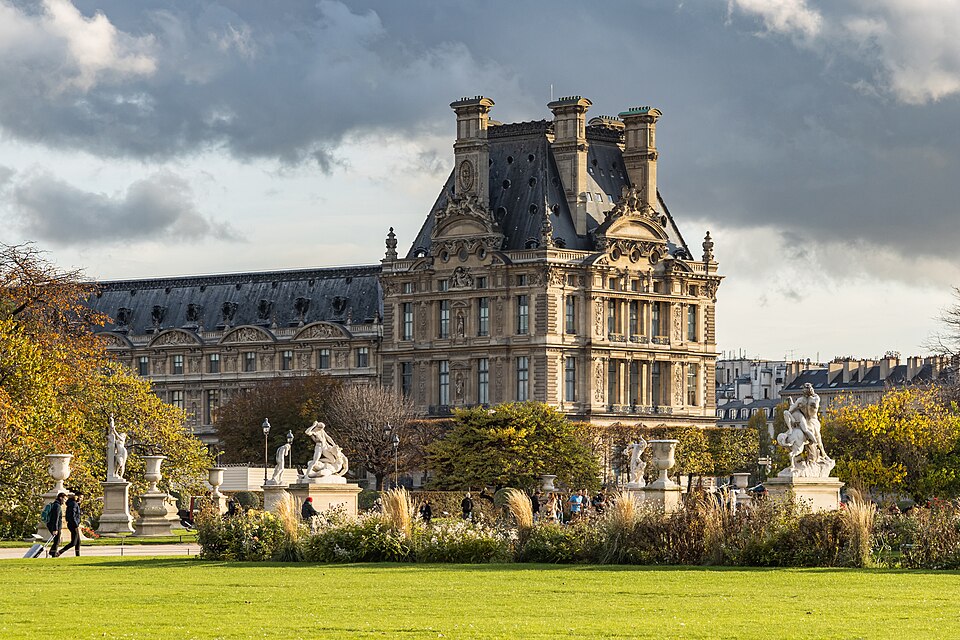
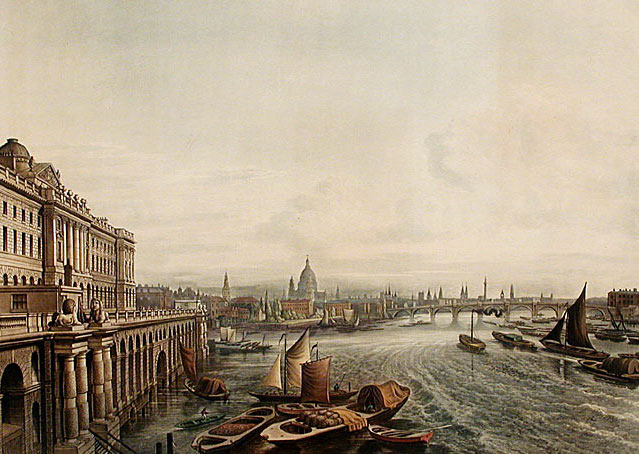
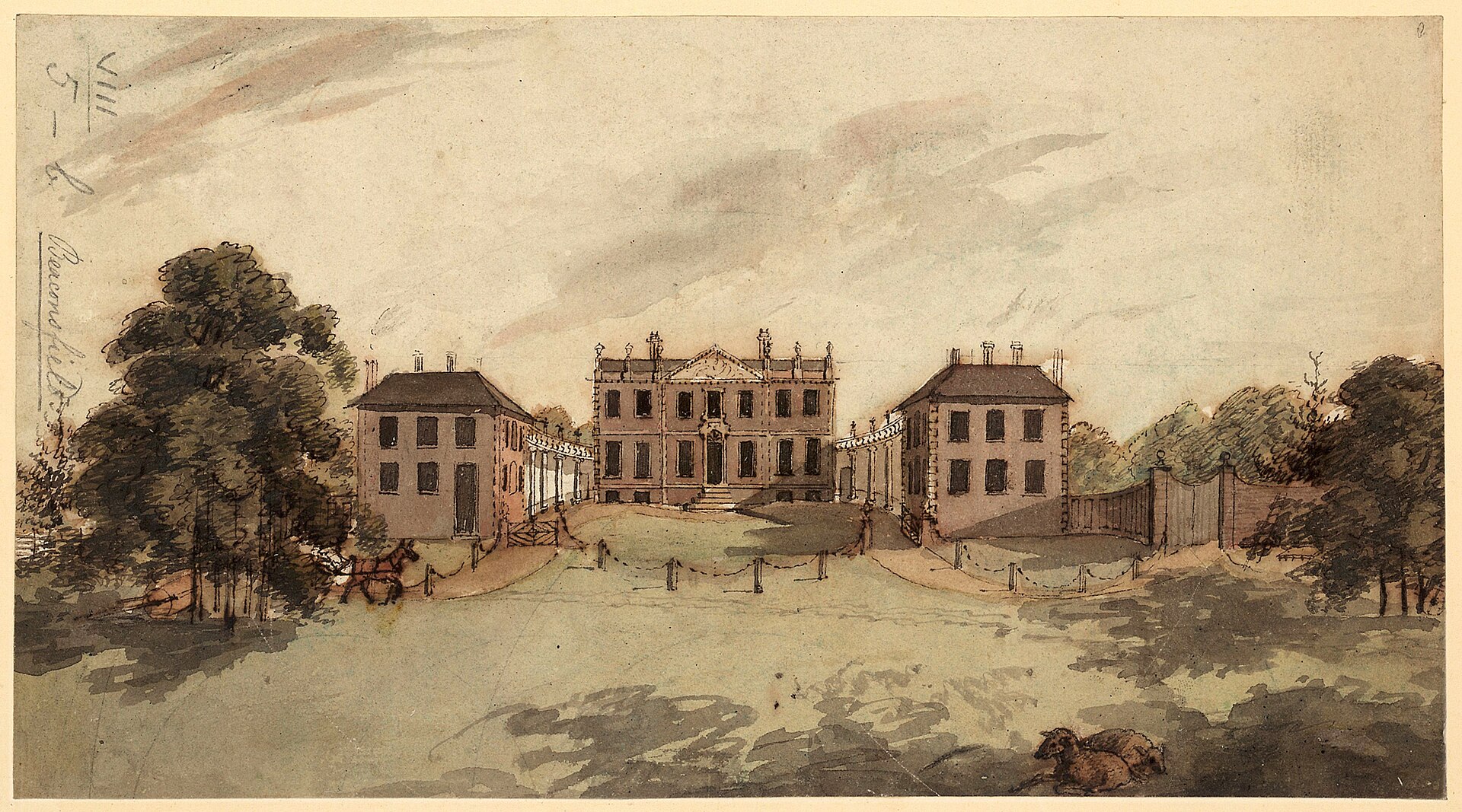
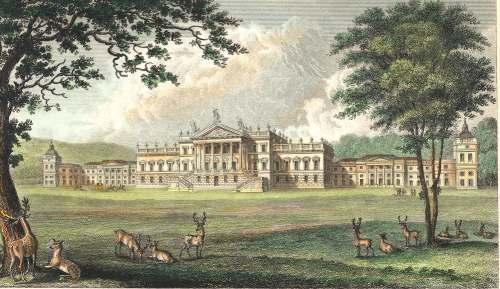
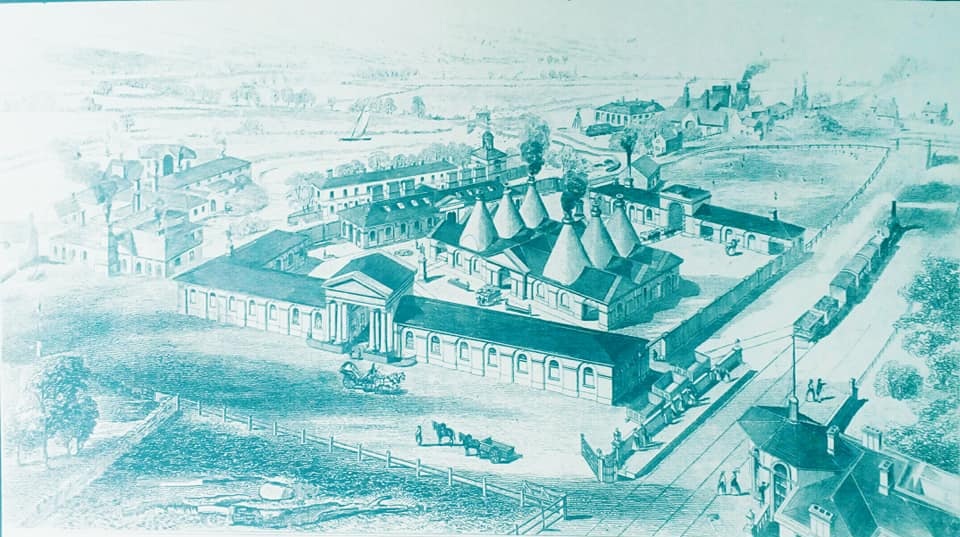
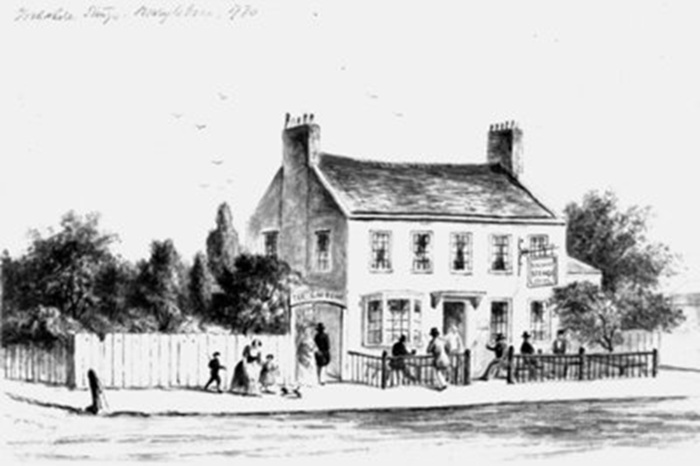
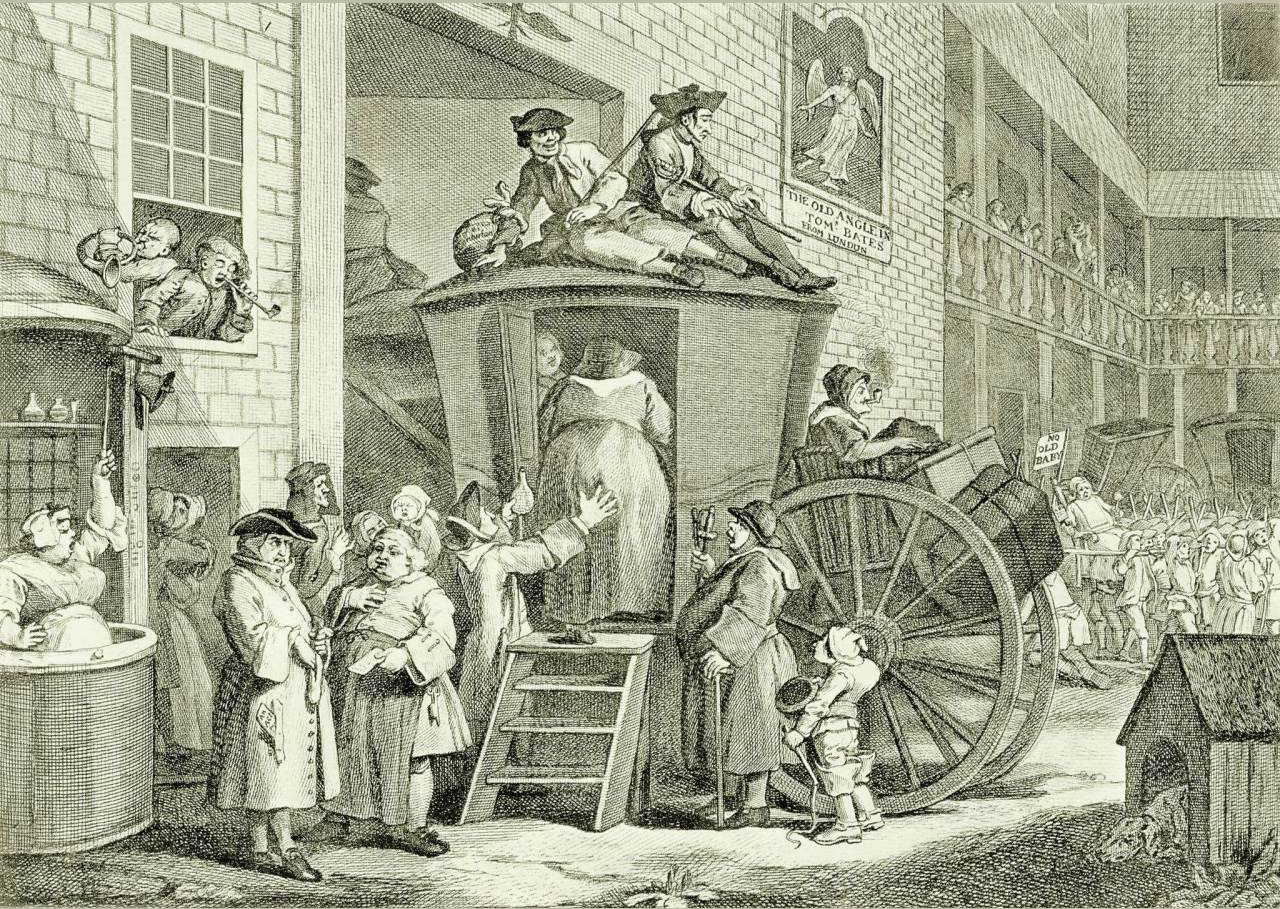
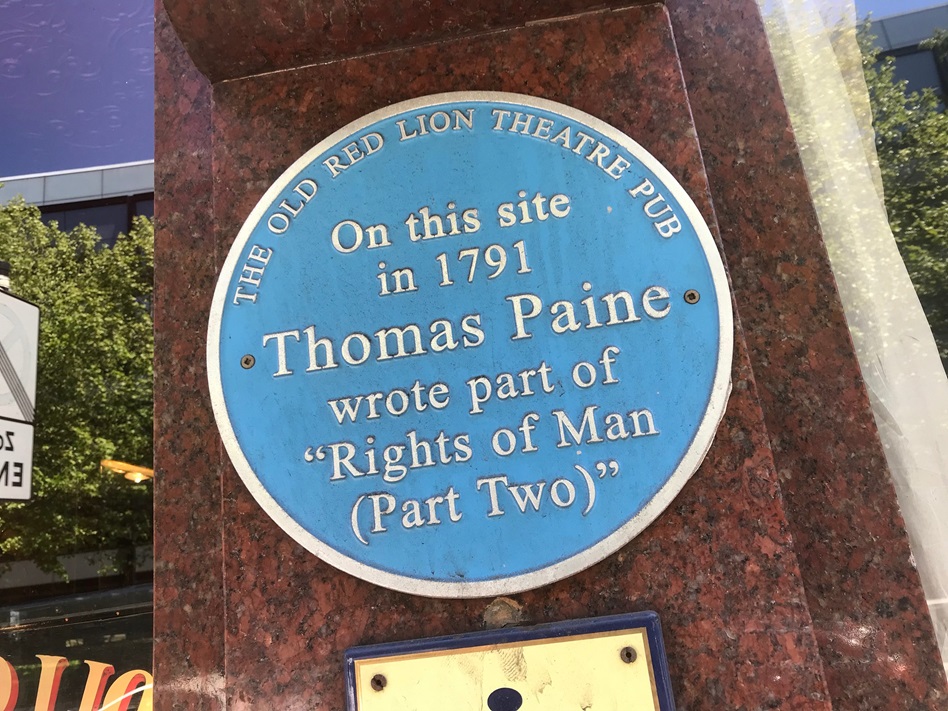
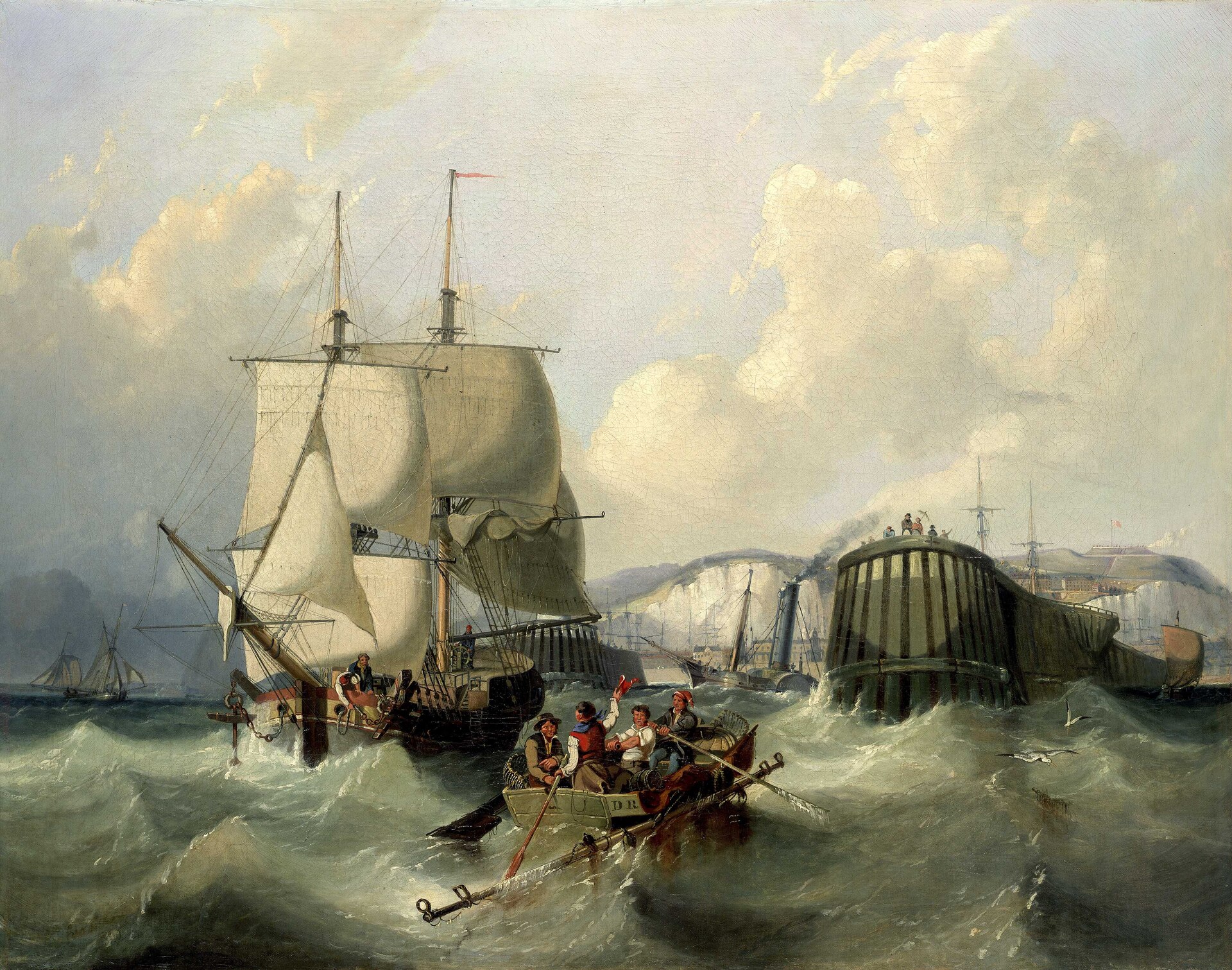
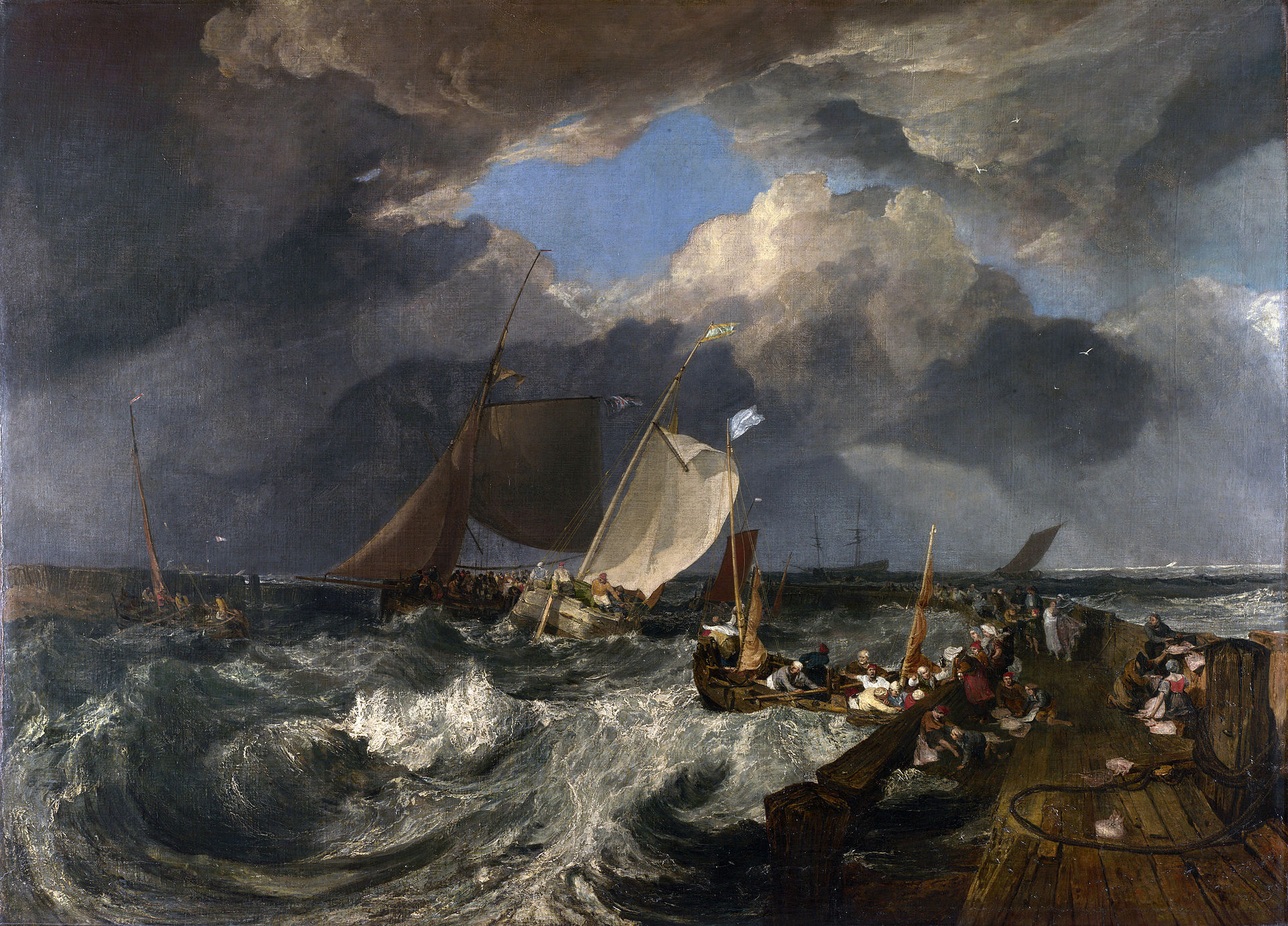
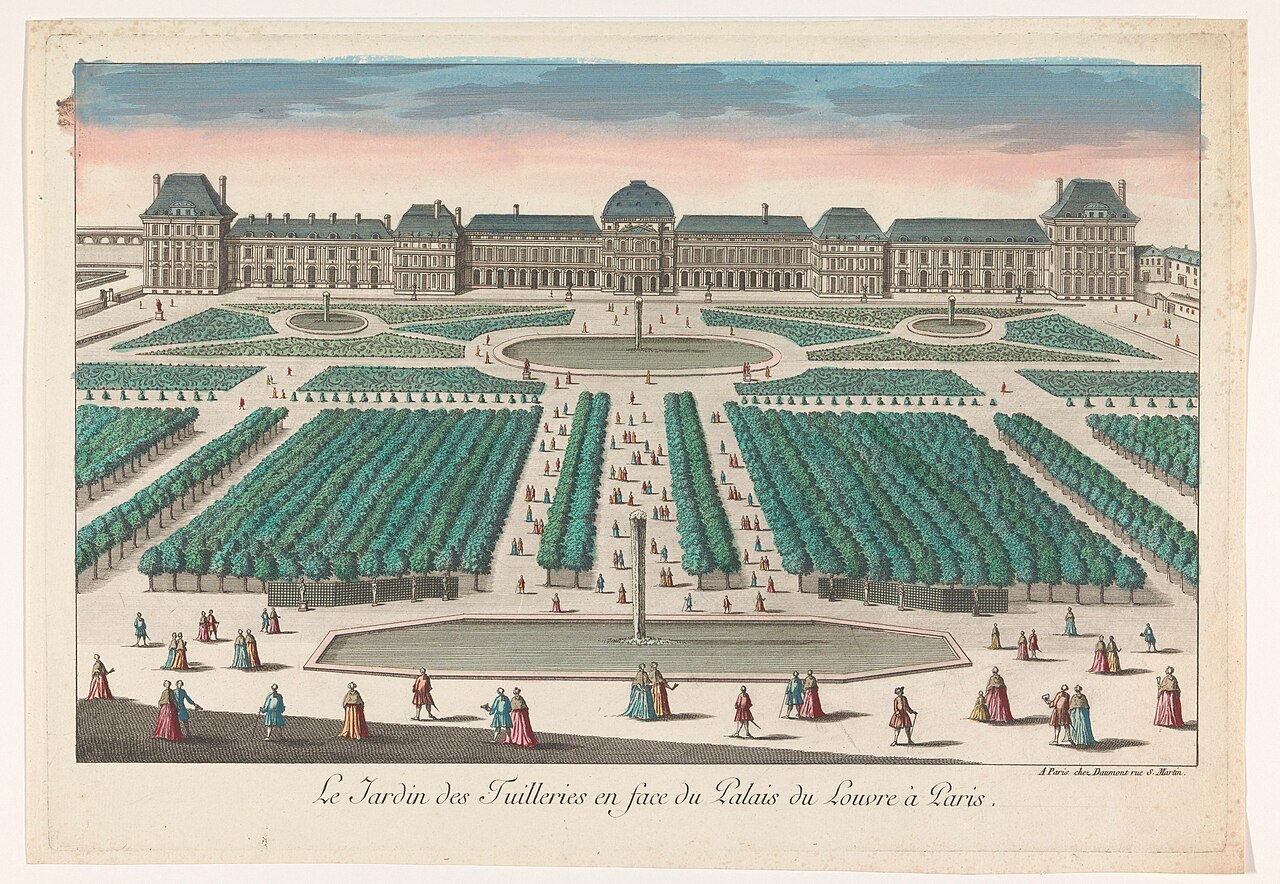
A plaque at the birthplace of Thomas Paine in Thetford, England erected by the Antiquities Borough of Thetford. Paine was born in a section of the town known as the Wilderness on January 29, 1737 – Flickr A photograph of the cottage in which Thomas Paine was born in Thetford, England taken by photographer A.G. Bagshaw – American Philosophical Society The “Old School” at Thetford Grammar School which was a one-room school at the time Paine was a pupil from 1744 to 1749. The curriculum included reading, writing, and arithmetic. He was also exposed to poetry for the first time, surely having great influence on his later workBritish Listed Buildings Paine left his father’s apprenticeship to become a privateer, a form of state-sanctioned piracy. His first attempt was in 1756 when he tried to join the crew of the privateering ship called the Terrible , which was commanded by Captain William Death with a man named Devil for lieutenant and Ghost for surgeon. The ship was equipped at Execution dock. Paine’s father persuaded him not to go at the last minute. One month later, the Terrible was in a ferocious battle with a French privateer named Vengeance (depicted in the image above), which resulted in the death of 174 of the 200 crew members including Captain Death. The surviving 26 privateers were taken captive by the French along with the ship – National Maritime Museum, Greenwich, London Paine’s next attempt to become a privateer in 1757 succeeded when he joined the ship King of Prussia . For more than six months, he pursued prizes from seized French merchant ships amid the Seven Years War. The successful voyage resulted in a financial windfall for the young Paine. This Samuel Scott painting, titled “An English Privateer Engaging a French Privateer”, shows a sea battle during the Seven Years War similar to those Paine would have seen – National Maritime Museum, Greenwich, London Paine returned from his life as a privateer and moved to this white building in Sandwich, UK in 1759 to work in the local excise office – Flickr A marker showing the location of New Street in Sandwich, UK. It says in part, “In New Street, Thomas Paine lived and worked as a staymaker between 1759 and 1760” – Photo by Ray Gurganus St Peters Church in Sandwich, UK is the location where Paine was married to his first wife, Mary Lambert on September 27, 1759. A nearby marker states, “Thomas Paine, author of ‘The Rights of Man’ and one of the makers of the American Constitution, was married in St Peter’s. He lived in New Street” – Wikimedia Commons After Mary unfortunately died in childbirth along with the baby, Paine moved to London sometime around 1761. During his residence in London, he attended lectures at the Royal Society located at Crane Court, Fleet Street at the time and became acquainted with astronomer Dr. John Bevis, a member of the Royal Society. Crane Court is shown here in an engraving by Charles John Smith (1803–1838) – Yale Center for British Art A plaque marking the George Hotel in Grantham, UK where Paine lived from 1762 until 1764 while employed as an excise officer – Photo by Iain Standen A plaque marking the customs office in Alford, UK where Paine worked as an excise officer from 1764 to 1765 with a salary of £50 per annum – Photo by TonyMo22 On February 19, 1768, Paine was appointed to be an excise officer in Lewes, England. Paine lived from 1768 to 1774 at Bull House, an inn located at 92 Lewes High Street in Lewes. He found lodging with Samuel Ollive – an established and respected grocer and tobacconist. In 1771, Paine married Elizabeth Ollive, the daughter of the recently deceased Samuel Ollive. It was while living at Bull House that Paine wrote his political pamphlet ‘The Case of the Officers of Excise’ in 1772, asking Parliament for better pay and working conditions for excisemen. He frequently participated in political debates here and formed many political connections – Photo by Poliphilo This plaque is attached to the Bull House in Lewes, England and informs visitors that Thomas Paine lived in this house from 1768 to 1774. – Photo by Simon Harriyott According to his first friendly biographer William Sherwin, when Paine lived in Lewes, he was a member of a bowls club which used to meet at a green in the castle grounds. The green still stands as the oldest rought bowling green in continuous use in England. Paine is reported to have been a member of the Lewes Bowling Green Society – Wikimedia Commons The 16th-century inn, the White Hart Hotel, at 55 High Street in Lewes was frequently visited by Paine and is where he joined discussions at the White Hart Evening Club and won the ‘Headstrong Book Of Obstinancy’ for his debating skills – Wikimedia Commons Plaque on the White Hart Hotel, at 55 High Street in Lewes. The plaque reads, “Thomas Paine 1737-1809 Here expounded his revolutionary politics. This inn is regarded as a cradle of American Independence which he helped to found with pen and sword” – Photo by Sarah Bosse Westgate Chapel in Lewes is frequently called “Tom Paine’s Chapel” because Paine lived next door and was associated with the congregation. Elizabeth Ollive and Paine made their vows in Westgate Chapel, a radical dissenting Presbyterian establishment in that period – Wikimedia Commons Paine married his second wife Elizabeth Ollive, the daughter of Paine’s employer and landlord Samuel Ollive, at the historic parish church of St. Michael in Lewes in 1771. They ultimately separated after three years – St. Michael’s Church In October of 1774, Paine sailed from London to Philadelphia on the ship called the London Packet . This is an engraving of the ship by Gerrit Groenwegen, from the Eberstadt Collection of Naval Engravings and Etchings – US Naval History and Heritage Command Paine arrived on the London Packet in November 1774 stricken with typhus fever. In a March 1775 letter to Benjamin Franklin, Paine said he had “suffered dreadfully” during the voyage and “had very little hopes” he “would live to see America”. Pennsylvania law expressly prohibited ships “disordered with any infectious disease” from coming closer than Little Mud Island, seven nautical miles downriver, and required that infected persons be quarantined at a “hospital or pest house” on adjacent Province Island. Paine likely sailed no closer than Little Mud Island and was brought “on Shore” on Province Island south of Philadelphia in the Delaware River until he was taken for treatment by Dr. John Kearsley, Jr. This image is a detail from John Montrésor‘s 1777 survey of Philadelphia – Library of Congress A marker in Philadelphia, Pennsylvania indicating the location of Robert Aitken’s printshop, The inscription reads in part, Aitken ‘published the Journals of Congress, its official proceedings, and The Pennsylvania Magazine which introduced the writings of Thomas Paine to America’. Paine wrote for the Pennsylvania Magazine from 1775 to 1776. The marker was erected in 2012 – Pennsylvania Historical and Museum Commission A marker in Philadelphia, Pennsylvania erected in 1993 by the Pennsylvania Historical and Museum Commission has the following inscription: ‘At his print shop here, Robert Bell published the first edition of Thomas Paine’s revolutionary pamphlet [Common Sense ] in January 1776. Arguing for a republican form of government under a written constitution, it played a key role in rallying American support for independence’ – Photo by J. J. Prats When his original militia disbanded, Paine joined the army of Major-General Nathanael Greene at Fort Constitution (later known as Fort Lee), New Jersey who hired Paine as an aide-de-camp and appointed him Brigadier. A plaque in the modern city of Fort Lee claims to mark the site where Paine’s ‘The Crisis’ pamphlet was conceived. Paine left Fort Lee with Greene’s army before British General Charles Cornwallis captured the city on November 20, 1776 – Historical Marker Database A marker showing the location of Van Horne’s Grist Mill claiming that the mill was the place mentioned in Paine’s The American Crisis I where he mentions “the greatest part of our troops went over the bridge, the rest over the ferry, except some which passed at a mill on a small creek” when talking about the events of November 20, 1776 – Photo by Bill Coughlin A plaque at “New Bridge Landing” in River Edge, New Jersey that marks the location of a bridge over the Hackensack River that was important strategically point during the American retreat from Fort Lee on November 20, 1776. Thomas Paine wrote of the bridge in The American Crisis I , “Our first objective was to secure the bridge over the Hackensack, which laid up the river between the enemy and us”. It is here where British troops attacked the American rear guard on November 21, 1776 and New Bridge served as a battleground. The plaque was erected by Bergen County Historical Society – Photo by Bill Coughlin A marker in New Brunswick, New Jersey shows the house of Henry Guest. A 1951 New Brunswick Sunday Times article theorizes Thomas Paine’s stay at his friend Guest’s house may have been in early December 1776, where he was in hiding just before the city fell to the British. The Guest family’s correspondence shows them to have known and hosted Thomas Paine at the house. Paine is said to have been in the midst of writing The American Crisis I during his stay. British officers are believed to have used the Guest House as their headquarters during their occupation of New Brunswick – Photo by Bill Coughlin A 1776 lithograph of Pennsylvania State House, today known as Independence Hall. Paine served as the Secretary to the Committee for Foreign Affairs for the Continental Congress from April 1777 to early 1779, which held its meetings at Independence Hall. Appointed to manage correspondence and aid diplomatic efforts, he acted as a key figure in foreign relations, but was forced to resign after exposing information regarding the corruption of the American Ambassador to France Silas Deane. Paine was thus essentially America’s first whisleblower and also its first secretary of state, managing crucial, often secret, correspondence with foreign powers. Paine also served as Clerk of the Pennsylvania General Assembly at Independence Hall from November 2, 1779 to 1780 where he supported the Pennsylvania Constitution of 1776, wrote the preamble to the state’s 1780 act abolishing slavery, and facilitated crucial supply efforts for the Continental Army – Yale University Art Gallery A marker from the Pennsylvania Historical and Museum Commission shows Francis Bailey’s historic printshop in Lancaster, Pennsylvania. The inscription reads, “Francis Bailey, official printer to both the U.S. Congress and the Commonwealth, operated a printing office on this site from 1773 to 1780. Here, he produced many historic imprints including Thomas Paine’s “Crisis No. 4 “” Crisis No. 4 was published on September 13, 1777 – Pennsylvania Historical and Museum Commission Paine spent time with George Washington during the Continental Army’s long winter encampment at Valley Forge from December 19, 1777 to June 19, 1778, approximately 18 miles northwest of Philadelphia. Paine said in a May 16, 1778 letter to Benjamin Franklin , “I was there when the Army first began to build huts.” During the encampment at Valley Forge, an estimated 1,700 to 2,000 soldiers died from disease, possibly exacerbated by malnutrition and cold, wet weather. The modern reconstruction of those huts can be seen here and was erected in 1976 by the Valley Forge National Historical Park – Photo by Bill Coughlin The Second Continental Congress convened at the Old Court House in York, Pennsylvania from September 30, 1777 to June 27, 1778. Paine’s counsel was admitted here on numerous occasions – The Truth Seeker Cookes House, also known as ‘Tom Paine’s House’, is a historic home located at 438-440 Codorus Street in York. It is claimed to have been the home of Paine and members of Congress while the Second Continental Congress convened in York – Library of Congress The old stone hotel, “The Dutch Tavern”, at which Paine and other revolutionaries stopped on their way to and from York in 1777 and 1778. The Dutch inscription speaks of the construction of the house – The Truth Seeker The smaller building on the left was used as the office of the Committee of Public Affairs while based in York from 1777-8 during the time Paine served as secretary. The building was shared with the Board of War – The Truth Seeker Paine lived at 2 Farnsworth in Bordentown, New Jersey on and off between 1778 and 1787 (one of the longest residences in his life) with his close friends Mary and Colonel Joseph Kirkbride. He had a room on the second floor of a large house, and it was there he worked on his famous bridge. He also visited here for Christmas with the Kirkbrides in 1777. A statue of Paine was erected in 1996 near this property where his horse Button grazed. This house became a hotel and then the first female college in the country. It burned to the ground around 1900 – Bordentown Historical Society A 1799 hand-colored copper plate created by William Russell shows Independence Square in Philadelphia, the historic landscaped space between Independence Hall and the Liberty Bell. During the time Paine was Clerk of the Pennsylvania General Assembly, from 1779 to 1780, he attended outdoor town meetings in Independence Square. Since that time, it has served as a gathering place for protests, celebrations, and civic action – Wikimedia Commons Paine sailed with Lieutenant Colonel John Laurens on the storied Continental Navy frigate Alliance (seen in this painting by Captain Matthew Parke USMC) from Boston on February 11th, 1781 to L’Orient, France on March 9th, 1781 on a mission to Paris to obtain funding for the American war effort. The mission was successful with Paine and Lieutenant Colonel John Laurens returning to America with 2.5 million livres in silver, as the first installation of a “present” from France of 6 million and a loan of 10 million – National Museum of the U.S. Navy A painting by Henry Moret of the port on the French island of Groix approximately 45 minutes by boat from Lorient, France where Captain John Barry anchored the frigate to allow passengers to disembark including Paine, Lieutenant Colonel John Laurens, Continental Army Major William Jackson, and the Viscount de Noailles, cousin of the Marquis de Lafayette – Galerie Ary Jan A marker in Bordentown, New Jersey shows the location of the house Thomas Paine bought in 1783. He let a widow of a ship captain stay for free in this house. Bordentown is the only place in the world where Paine bought property. The marker was erected by the State of New Jersey – Photo by Devry Becker Jones Paine bought this house at 6 West Church Street in Bordentown, New Jersey in 1783, the only property Paine ever purchased in his life. This photograph was taken in 2026. This house in Rocky Hill, New Jersey served as General George Washington’s final headquarters of the Revolutionary War. Washington stayed here from August 23, 1783 to November 10, 1783 and Paine visited him and stayed here for a short period sometime in the fall of that year – Library of Congress Paine sailed from New York to the port of Le Havre, France in May 1787 with plans to promote his designs for an iron arch bridge. This painting “The Port of Le Havre, the Grand Bassin” by French artist Ambroise-Louis Garneray shows the port around 1820 – Normandy Region General Inventory Starting in 1787, Paine visited the Louvre Museum in Paris to present his plans for an iron bridge to the Académie des Sciences of France, which met in the Louvre at the time – Photo by Ali Sabbagh Paine wrote in The Construction of Iron Bridges British Museum In the summer of 1788, Paine stayed for several days as a guest at Edmund Burke’s country home near Beaconsfield, England shown in this painting as it was in 1792 by the artist Ravenhill. The two discussed political developments, just before their famous ideological rift over the French Revolution – British Library In 1789, Paine stayed at the luxurious Wentworth Woodhouse in South Yorkshire, England, a 300 room palace of 250,000 square feet, after an invitation from its owner Lord Fitzwilliams, heir to the Marquis of Rockingham. At the time, Paine was working on the construction of his iron bridge at the nearby ironworks owned by the Walker Brothers in Masbrough – A Complete History of the County of York This drawing shows the iron works station and blast furnace in Rotherham, England owned by Samuel Walker of Walkers and Co., one of the leading iron foundries in the country, responsible for making the cannons used throughout the navy. In 1788, Paine visited them in Rotherham and hired the company to build two prototypes of his bridge of 110ft span with five ribs – Rotherham Cannon Heritage Society One of Paine’s bridge prototypes built by Walkers and Co. was displayed on the show ground of Yorkshire Stingo pub in Marylebone, London in 1790. The curious public were charged a shilling to examine and even walk across the prototype bridge. This is an illustration of the Yorkshire Stingo pub circa 1770 – Wikimedia Commons Paine completed what would be the first part of Rights of Man on his fifty-fourth birthday, January 29th, 1791. He is said to have written parts of Right of Man and even celebrated its publication in London’s historic Angel Inn with his closest friend, Thomas Clio Rickman, as a monument across Islington High Street at Angel Square records. This is a 1747 print showing the Angel Inn made by William Hogarth – British Museum A sign at the Old Red Lion Theater Pub in London says “On this site in 1791 Thomas Paine wrote part of “Rights of Man (Part Two) Photo by Matt Brown Paine narrowly escaped impending arrest for seditious libel after the British monarchy took offense to Rights of Man . Paine fled England on September 13th, 1792 through the port Dover and left his home country for the last time. This is a painting of “A Brig Leaving Dover” from the mid-1830s by George Chambers – Royal Museums Greenwich “Calais Pier” is an 1803 painting of the important French port of Calais by British artist J.M.W. Turner where Paine arrived to cheering crowds in September of 1792 fleeing his impending arrest in England. Before Paine even arrived in France, he was elected by voters in the department of Calais to serve in the National Convention, a postition he held from September 20, 1792 until his arrest and imprisonment on December 28, 1793 – National Gallery During the French Revolution, the Salle du Manège section of the Tuileries Palace was the site of the revolutionary National Assembly from 1789 to 1795 until the Council of 500 took the space as part of the French Directory. Paine first visited this location in 1781 when he came to Paris to negotiate aid from France to during the American Revolution. When he returned to Paris in 1792, he took his seat as a Deputy of the Convention, representing the district of Pas-de-Calais, at this very site. The work to write the Constitution of 1793 was done here as well as the many speeches he made to the Convention including his plea to spare the life of Louis XV. He spoke to the National Assembly for the last time here in 1795. In that speech Thomas denounced their newly enacted Constitution of 1795 because it eliminated universal suffrage – Rijksmuseum The entry of the Hotel de Monnais on rue Guénégaud in Paris which was the site of a famous salon owned by Paine’s friends Sophie de Grouchie and her husband, the Marquis de Condorcet. Paine, Thomas Jefferson, Adam Smith, the Marquis de Lafayette and Benjamin Franklin were regular guests. This site is arguably the birthplace of the modern democratic movement as the place where Jefferson, Franklin and Lafayette outlined their democratic views with Paine as the catalyst. In 1791, Grouchie translated two articles written by Paine – Ordinary Philosophy The White’s Hotel was a central meeting place for foreigners in France during the revolution. Paine stayed here when he visited Paris in 1787, 1788, and again in 1792. On November 18th, 1792, about 100 guests gathered at a dinner in White’s Hotel to celebrate recent victories of the French army at Valmy and Jemappes. The guest of honour was Thomas Paine. Members made themselves known officially as the Société des Amis des Droits de l’Homme (Society of the Friends of the Rights of Man) in honor of Paine. The night of Paine’s Christmas Eve arrest followed a dinner at the White’s Hotel celebrating the finishing The Age of Reason, Part I – ©2026 Google Maps The Paris site of the “Hotel Philadelphie” where Thomas Paine stayed from 1792 to 1793. Paine received a continual flow of visitors at this site. He entertained Mary Wollstonecraft, Thomas Clio Rickman, Joel Barlow and Thomas Christie. It was here in the spring of 1793 that Paine wrote his first draft of The Age of Reason Part I and completed it in October 1793. He would eventually be arrested at this location and sent to the Luxembourg prison. In Paine’s time, the address was number 63 but it’s now numbered 144 Rue Faubourg Saint-Denis – ©2026 Google Maps The Luxembourg Palace, now the Senate Building of France, was made into a prison during the French Revolution. After the death of Henry IV in 1610, his widow, Marie de’ Medici, became regent to her son, Louis XIII, and built the palace for herself to be her royal residence. Paine was arrested on December 28, 1793 and imprisoned here until November 1794 when he was released largely because of the work of the new American ambassador to France, James Monroe – Ordinary Philosophy While in prison, Paine was often allowed to walk inside the interior garden behind the Luxembourg Palace. Here he could take walks, talk with friends and enjoy some time in nature. The image was published in 1898’s “The Age Of Reason Being An Investigation Of True And Fabulous ” by The Truth Seeker Company – Internet Archive 95 Rue de Richelieu, Paris is the former residence of James Monroe, at that time the American Ambassador to France. Paine lived here for the two years while recovering from serious health problems following his release from the Luxembourg prison in 1794 and remained with them until 1797. Here, Paine worked on versions of the Age of Reason Parts I and Part II and wrote Dissertation on the First Principles of Government and Agrarian Justice – Ordinary Philosophy A plaque on the Paris house of Paine’s friend, printer and writer Nicholas de Bonneville. Paine lived in this house with Bonneville, Bonneville’s wife, Marguerite Brazier, and their children. Napoleon Bonaparte once visited Paine at this location, a man Paine called “the completest charlatan that ever existed”. The plaque reads in French: “British by Birth, American by Adoption, French by Decree, Thomas Paine lived in this building from 1797 to 1802, where he placed his passion for Liberty at the service of the French Revolution, becoming a Deputy to the Convention which wrote the [Declaration of] Rights of Man” – Wikimedia Commons The Paris house of Paine’s friend, printer and writer Nicholas de Bonneville at 10 rue de L’Odeon. Paine lived in this house with Bonneville, Bonneville’s wife, Marguerite Brazier, and their children – Wikimedia Commons A 1759 illustration of the port of Le Havre on the northern coast of France. Paine met his friend Thomas Clio Rickman here in 1802 who helped Paine prepare for the last trans-Atlantic journey of Paine’s life back to America – The Newly Opened Historical Picture Gallery After a tumultuous crossing, Paine arrived in Baltimore, Maryland on October 30, 1802, following a 15-year absence from the United States. This is an 1831 image of Balitmore harbor titled “Baltimore from Federal Hill” by W.J. Bennett – Library of Congress Paine visited Robert Lovett’s City Hotel in Manhattan periodically from 1802 to 1804. On March 18th, 1803, Paine attended a large dinner in his honor that was promoted with the help of future critic James Cheetham. This image shows the building sometime from 1795 to 1799 and comes from the 1915 “Old Taverns of New York” by William Harrison Bayles – Project Gutenberg The Thomas Paine Cottage in New Rochelle, New York. The New York State Legislature awarded Paine 320 acres with this cottage in New Rochelle in 1784 for his service in the Revolutionary War after confiscating the land from a British loyalist. Paine lived in this cottage periodically from 1802 to 1806 – US National Park Service A drawing of Cornelius Ryder’s house at Number 293 Bleeker Street in Manhattan where Paine lived with Madame Bonneville and her two sons until May 1809. Paine can be seen sitting in the window – The New York Public Library A map showing the residences of Thomas Paine before and at the time of his death on June 8th, 1809, in the Greenwich Village neighborhood of New York City. The map was made in 1864 for David T. Valentine, C.C. by John Randel and is oriented with north to the upper right. – The New York Public Library 309 Bleecker Street in the Greenwich Village neighborhood of Manhattan was the final residence of Thomas Paine. Greenwich Village was still a rural community at the time. This sketch is from a 1922 edition of the New-York Tribune – Library of Congress Dilapidated 309 Bleecker Street in Manhattan in 1932. It was demolished soon after this photograph was taken – Museum of the City of New York This plaque hangs on the outside wall of a brick building on Grove Street in Greenwich Village in New York City on the site where Thomas Paine died on June 8, 1809. It was placed on the June 9th, 1923 by the Greenwich Village Historical Society – Flickr This plaque describes the history of Barrow Street in New York City which named after artist Thomas Barrow following a campaign by anti-Paine churches in the area to remove its previous name, Reason Street, in honor of Paine’s “The Age of Reason”, that criticized organized religion – Researching Greenwich Village History Paine’s New Rochelle Monument is a 12-foot marble column marking his burial site. In 1837, Gilbert Vale, editor of the New York Beacon, started a subscription for the purpose of erecting the monument. It was dedicated on May 30th, 1881. Sculptor William Macdonald created the bronze bust that was placed upon the monument on May 30th, 1899. 
_-_An_English_Privateer_Engaging_a_French_Privateer_-_BHC1038_-_Royal_Museums_Greenwich.jpg)


.jpg)



.jpg)
![Marker in Philadelphia, Pennsylvania with the inscription, ‘At his print shop here, Robert Bell published the first edition of Thomas Paine’s revolutionary pamphlet [Common Sense] in January 1776. Arguing for a republican form of government under a written constitution, it played a key role in rallying American support for independence.’ Erected in 1993 by the Pennsylvania Historical and Museum Commission – Photo by J. J. Prats](https://thomaspaine.org/wp-content/uploads/2025/12/thomas-paine-common-sense-788x1024.jpg)

.jpg)

.jpg)

.JPG)



,_RP-P-1921-779.jpg)