
At our Thomas Paine Major Milestones page you can view some highlights from a life well lived with the milestones from his amazing life highlighted.
1737
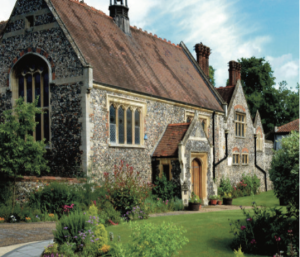
Thomas Pain (no “e”) is born in Thetford, England. Leaves school at 12 to become a staymaker.
1757
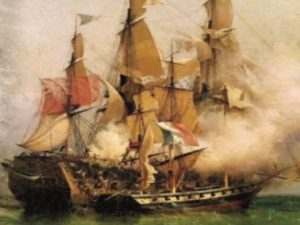
Signs up to sail on a British Privateer, the King of Prussia, and spends 6 months at sea.
1758
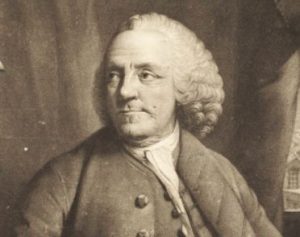
Spends half a year in London attending science lectures and debates. Meets Benjamin Franklin.
1759
Marries Mary Lambert who dies in childbirth a year later.
1762
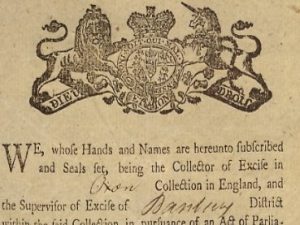
Applies for a job as an excise agent. Is accused of cheating, (he was innocent). Eventually reinstated.
1766
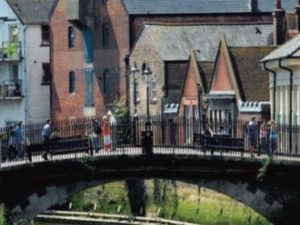
Moves to Lewes, England. Gets very involved in civic affairs, debate clubs, and political activism.
1772
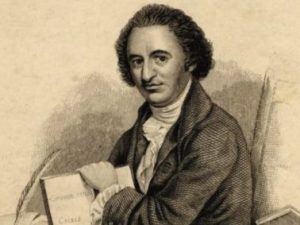
Writes The Case of the Officers of Excise to demand a living wage. He is fired as a result.
1773
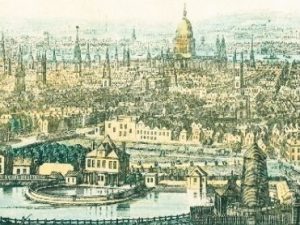
Returns to London. Reconnects with Benjamin Franklin who pens a letter of recommendation.
1774
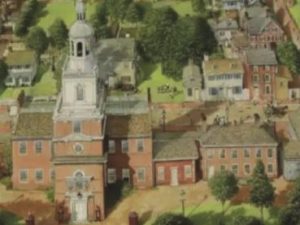
Arrives in Philadelphia. Finds work as a magazine editor and makes many new connections.
1776
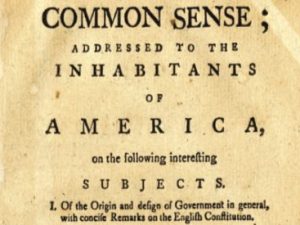
Writes Common Sense, which galvanizes the colonists. Pens the first of 13 Crisis essays and serves as a war correspondent
1777–1779
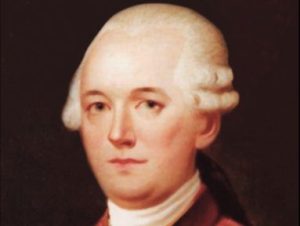
The Silas Deane affair tarnishes Paine’s reputation, but he is proven correct in his accusations
1780
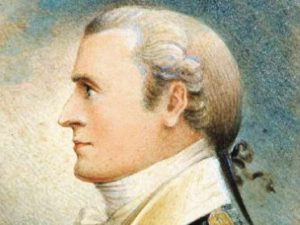
Sails to France with John Laurens to seek additional war funding from Louis XVI.
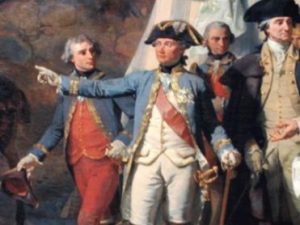
1781
The British surrender at Yorktown.
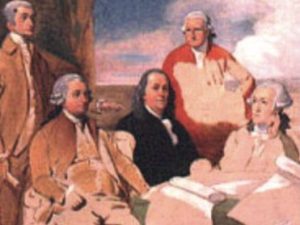
1783
The Treaty of Paris officially ends the Revolutionary War.
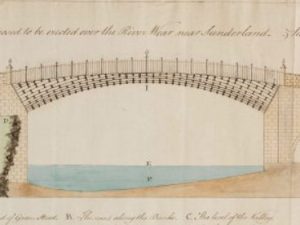
1787
Paine goes to France as an inventor to find investors in order to build a uniquely designed iron bridge.
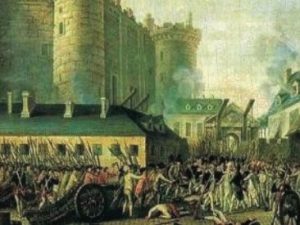
1789
The French Revolution begins with the fall of the Bastille.
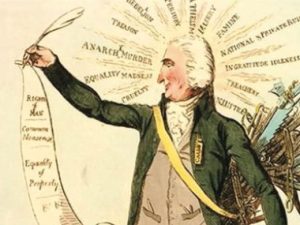
1791
Paine, traveling back and forth between England and France, writes Rights of Man I and is accused of sedition in Britain.
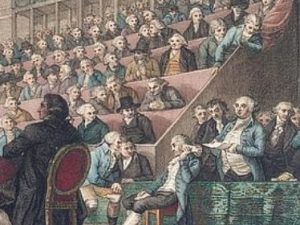
1792
Paine flees Britain for France and completes Rights of Man II. He becomes the representative of Calais.
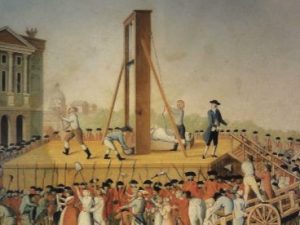
1793–1794
Writes Age of Reason. Paine is imprisoned, in part for voting to spare the King’s life. Many colleagues are executed.

1795-1797
Paine is near death when he is freed from prison, and recovers at the home of James Monroe. In 1797, he moves in with the Bonnevilles. They remain an important part of his life for the next 14 years.
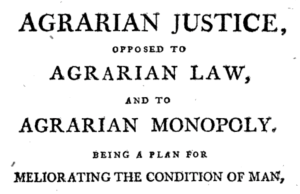
1797
Paine pens Agrarian Justice, his last major work, which lays out a blueprint for a social security system
1802-1805
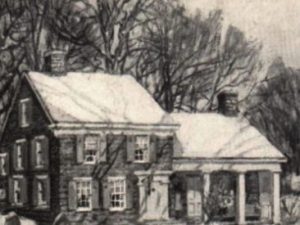
Paine returns to America and settles at his home in New Rochelle, NY. Madame Bonneville and her sons soon join him.
1805-1808
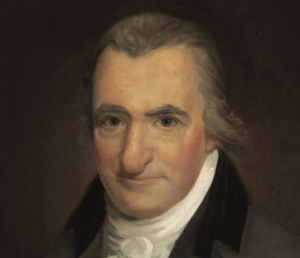
Paine remains politically active and writes prodigiously on everything from constitutions to freemasonry.
1809
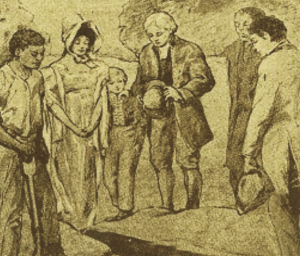
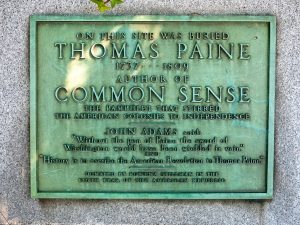
Paine dies after a long illness and is buried in New Rochelle. Madame Bonneville inherits the lion’s share of Paine’s estate for the benefit of her sons.
1819
William Cobbett, an ardent admirer, digs up Paine’s bones and transports them to England to be placed in a monument to Paine, but they are lost.