Here you can follow Paine’s life journey through images of the different monuments, historical markers, landmarks and homes that form part of his amazing legacy. From his birth in Thetford, UK to his death in New York City, Paine lived a life of amazing action and profound impact. Enjoy!
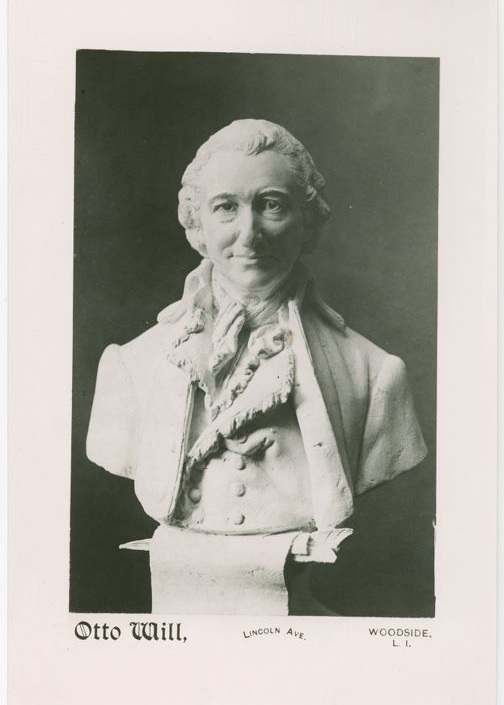
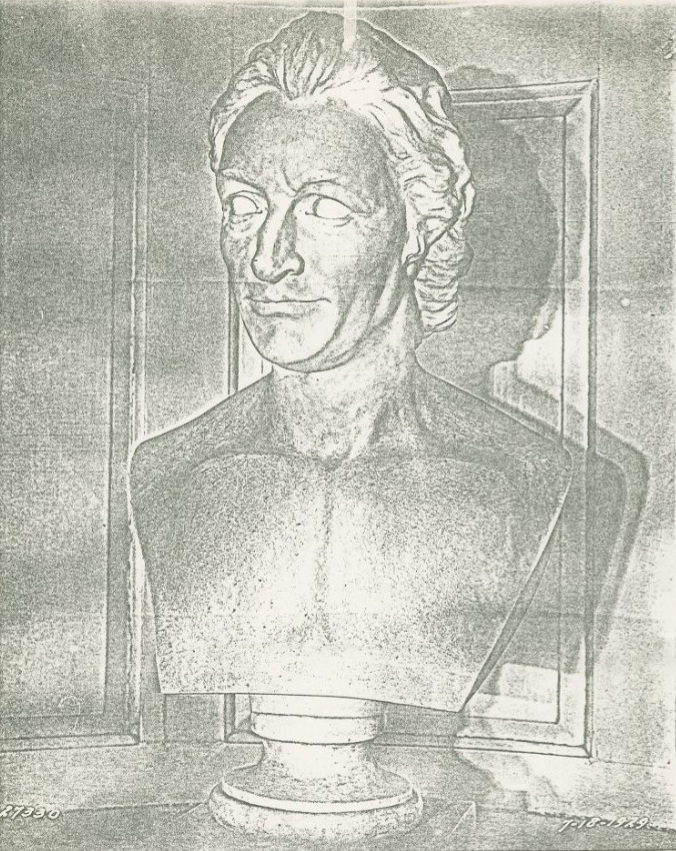
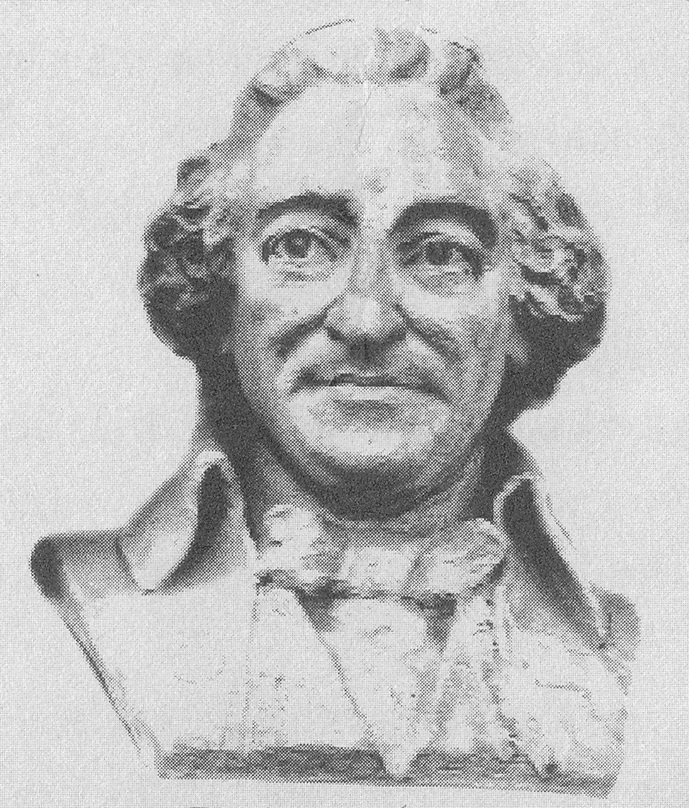
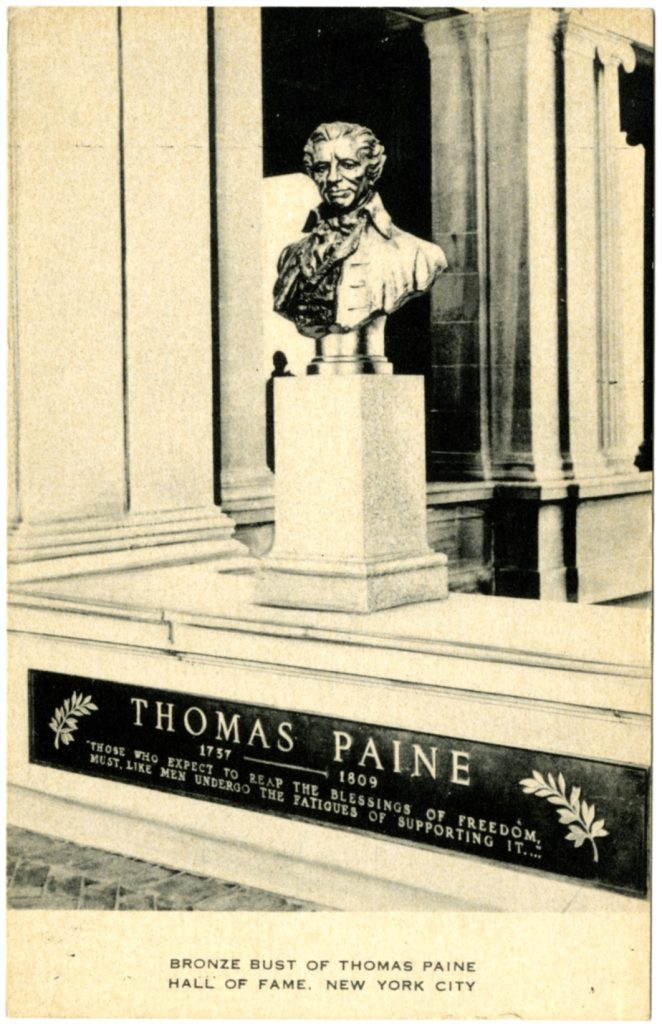
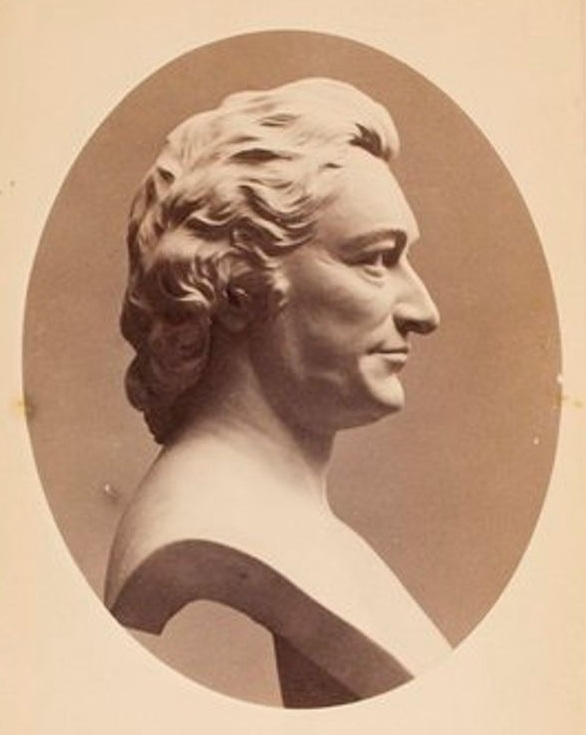
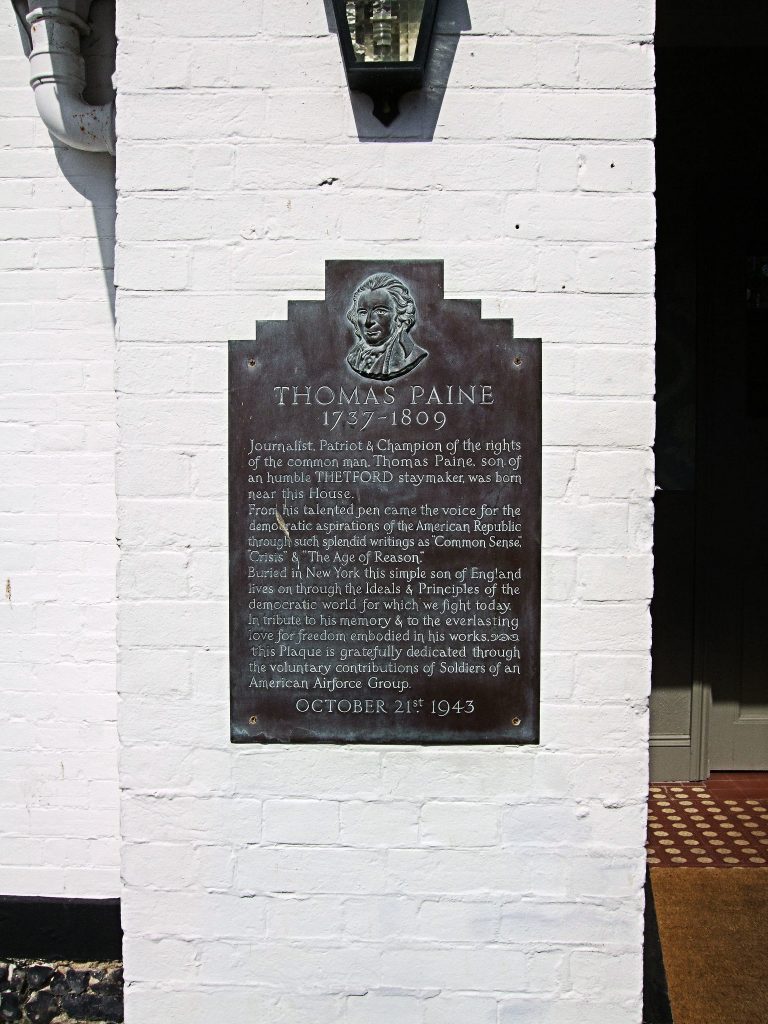
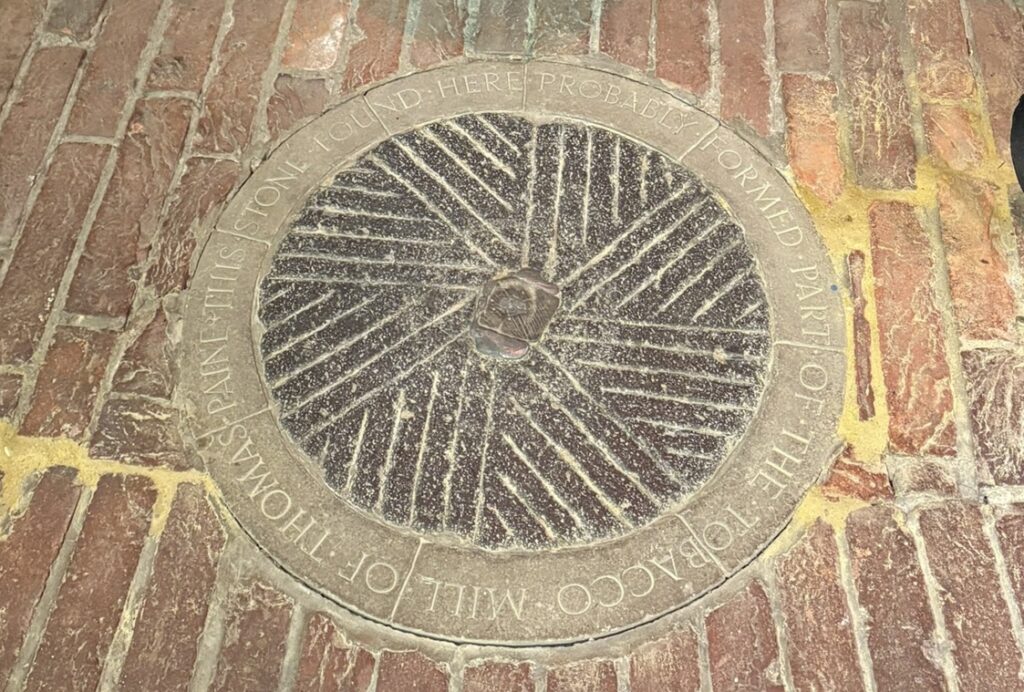
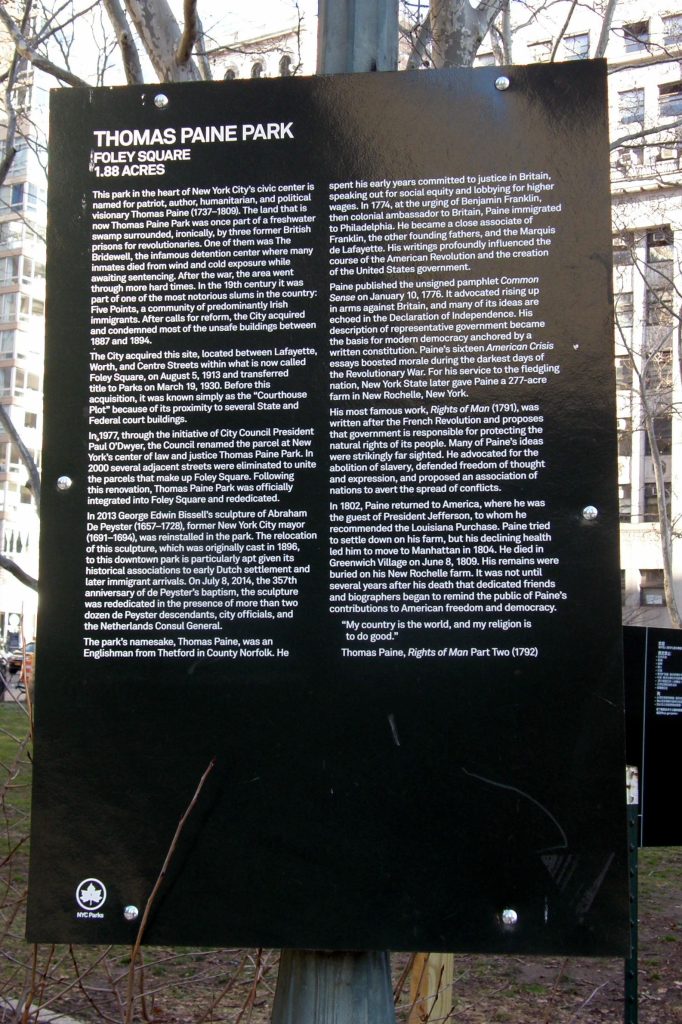
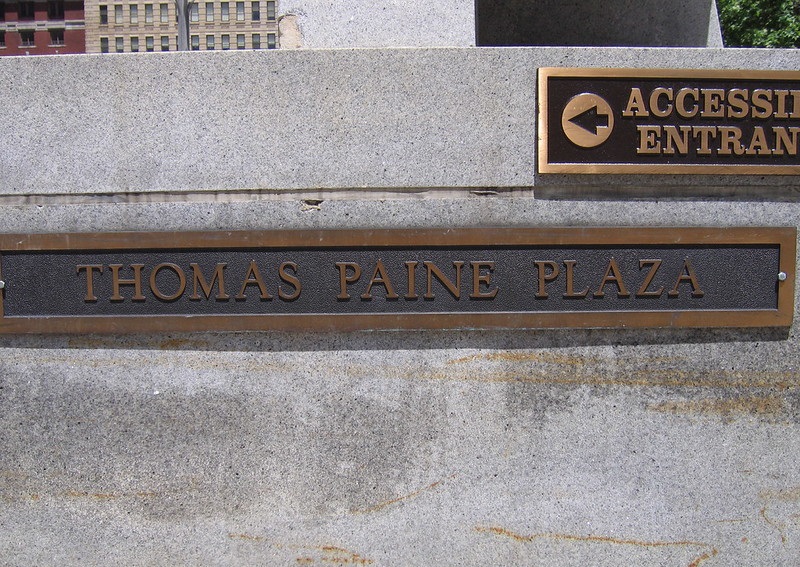
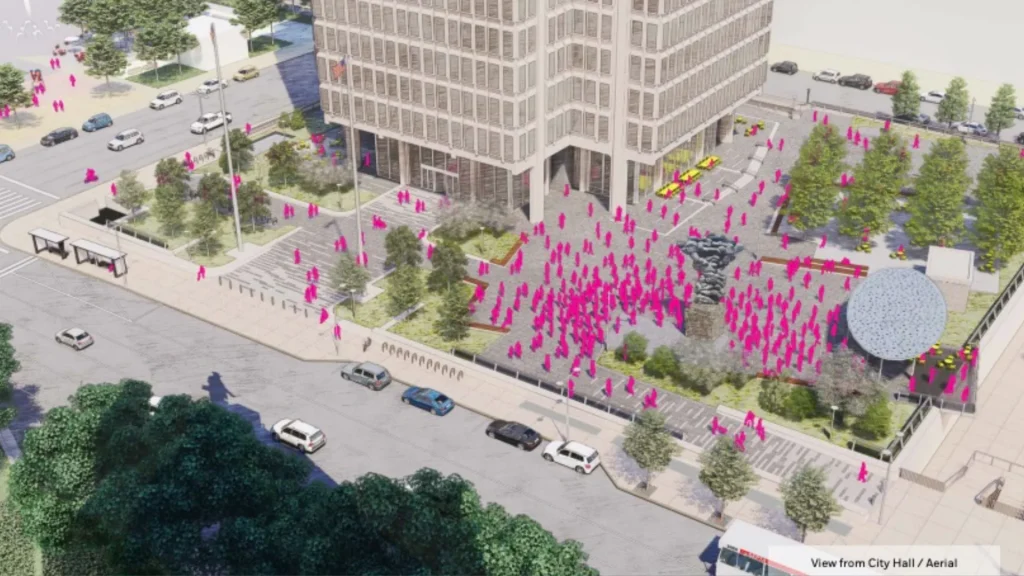
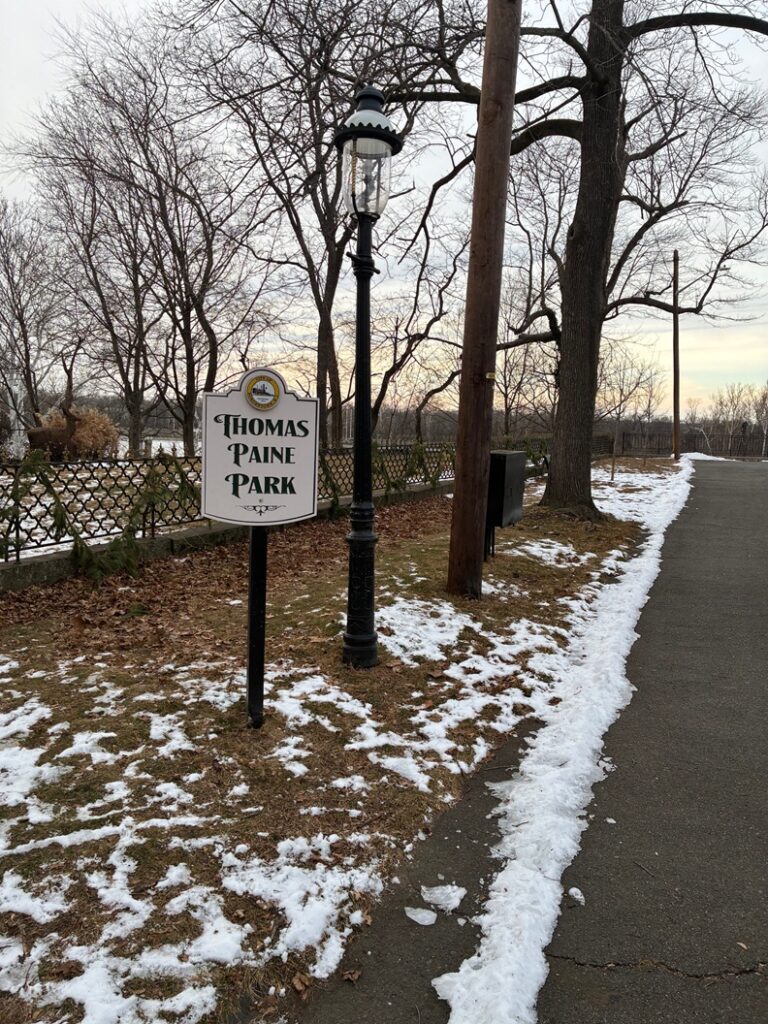
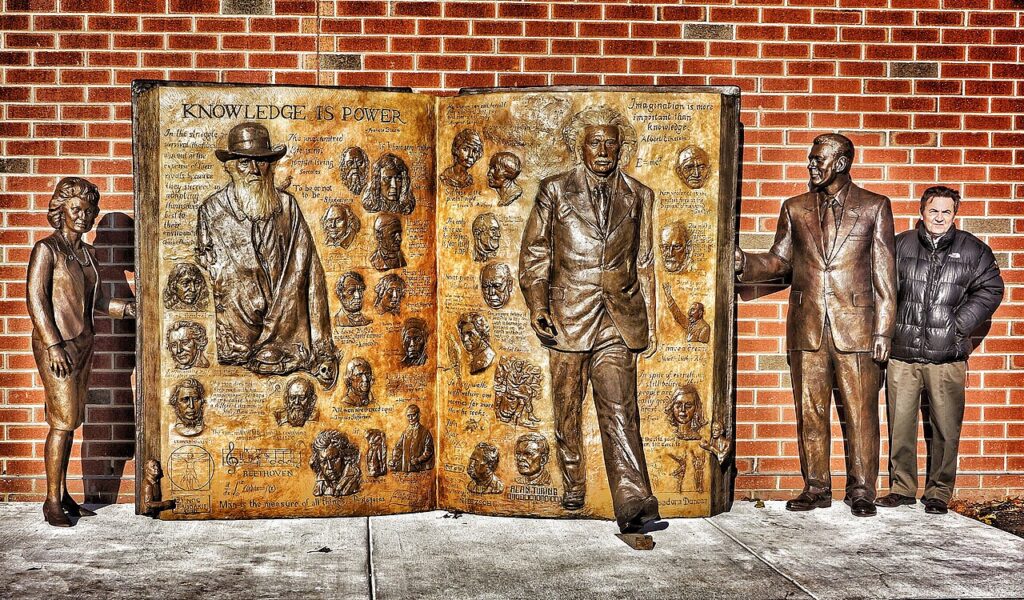
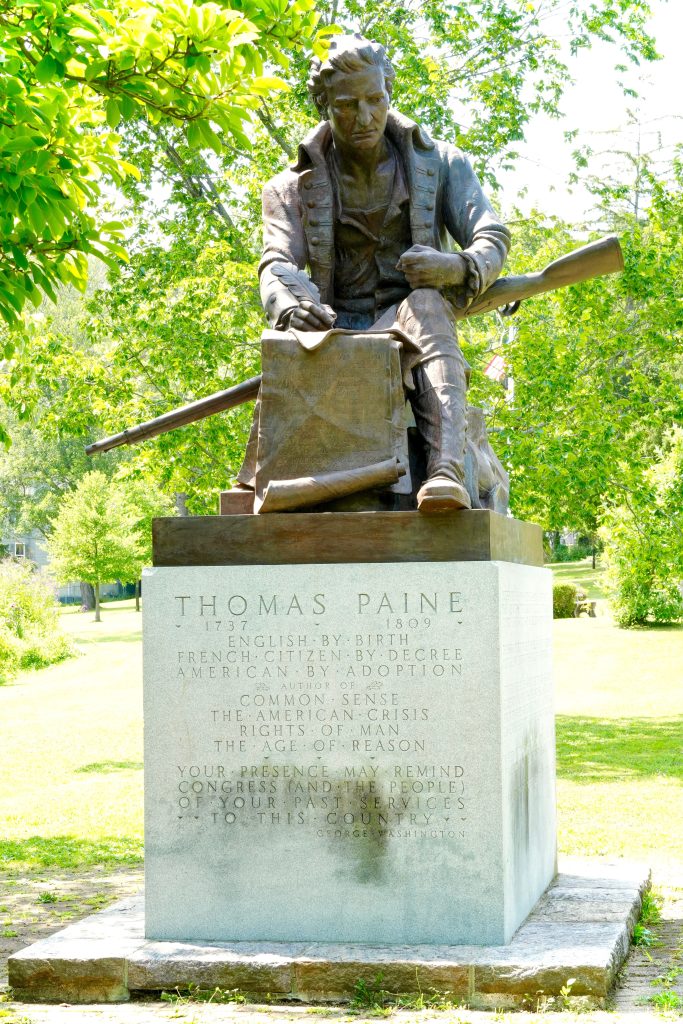
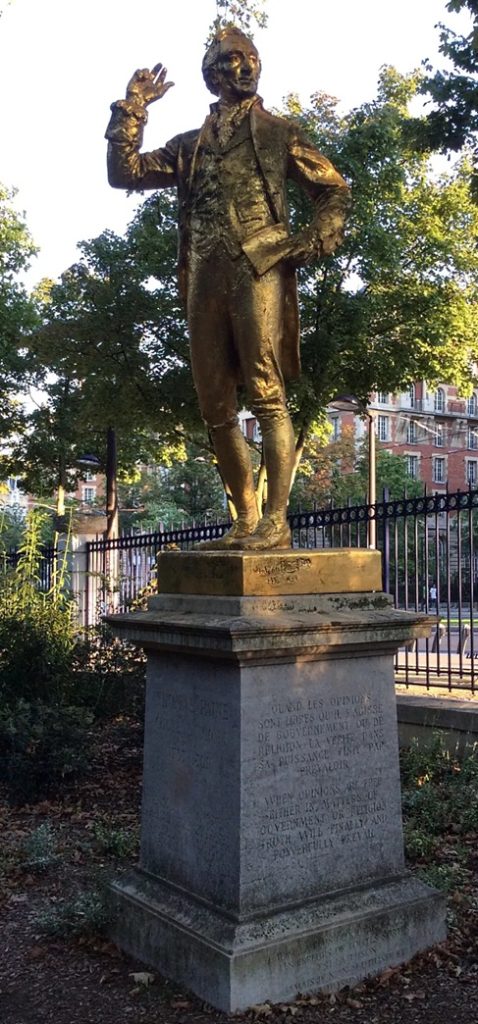
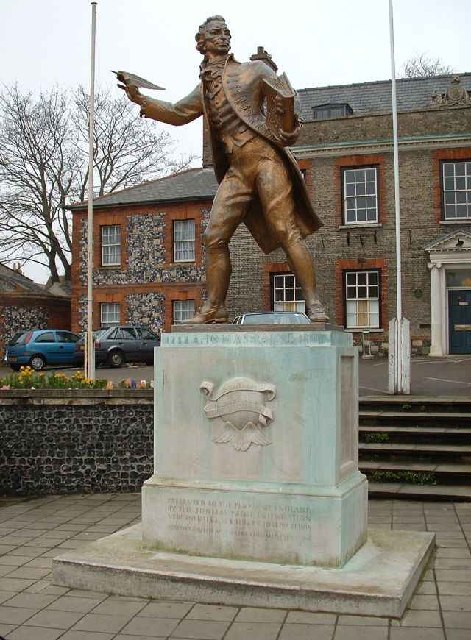
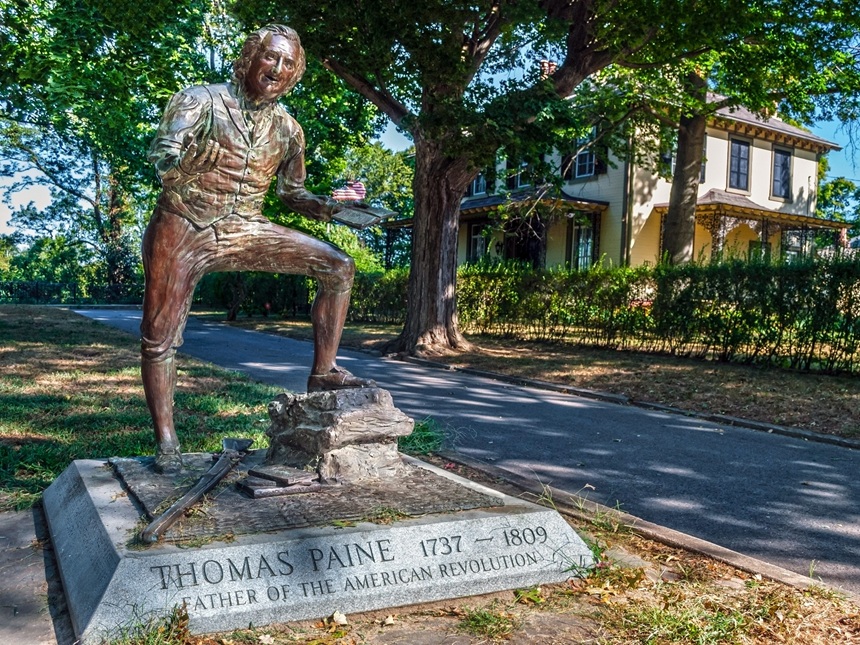
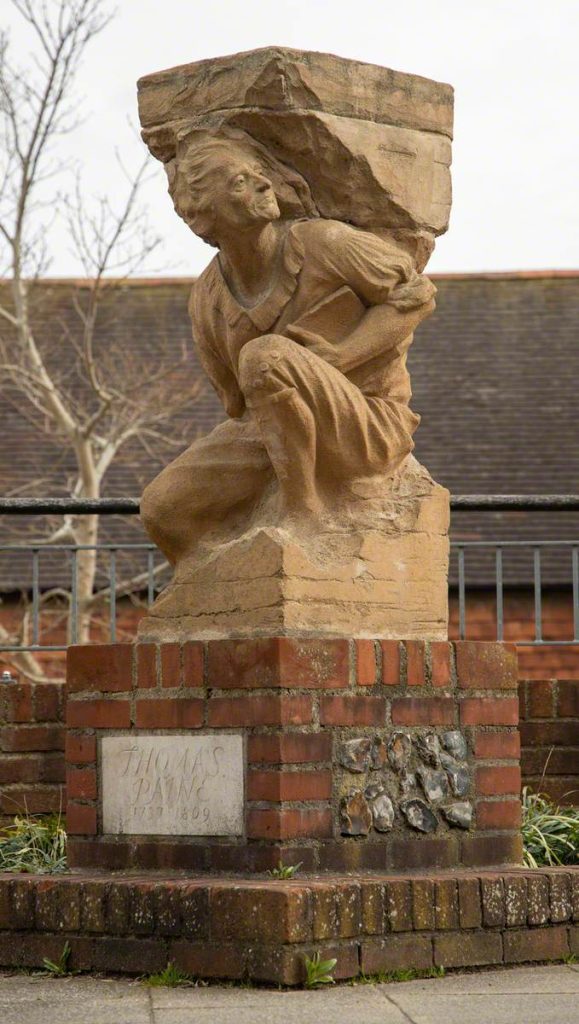
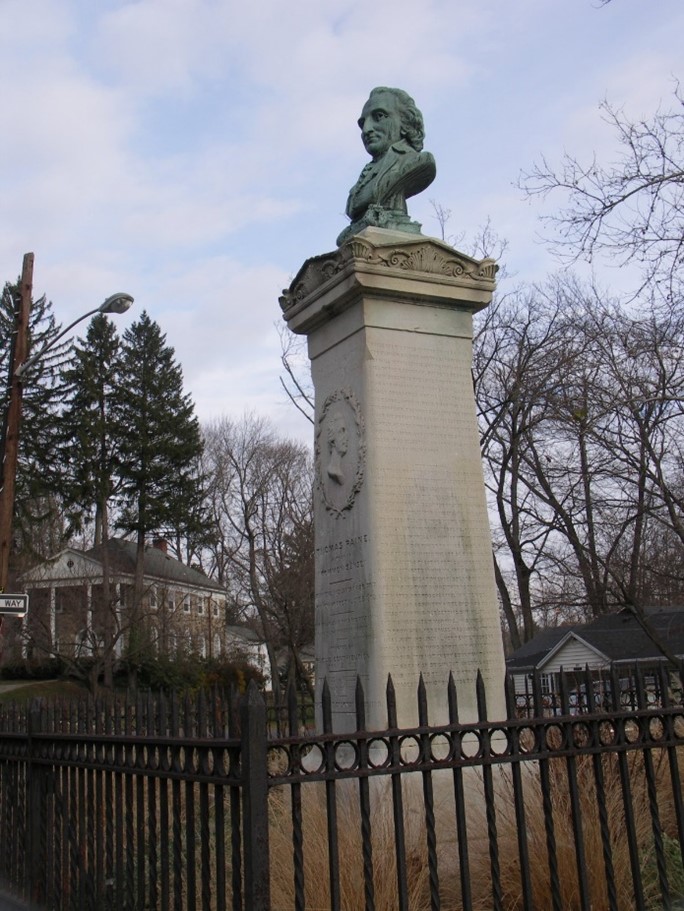
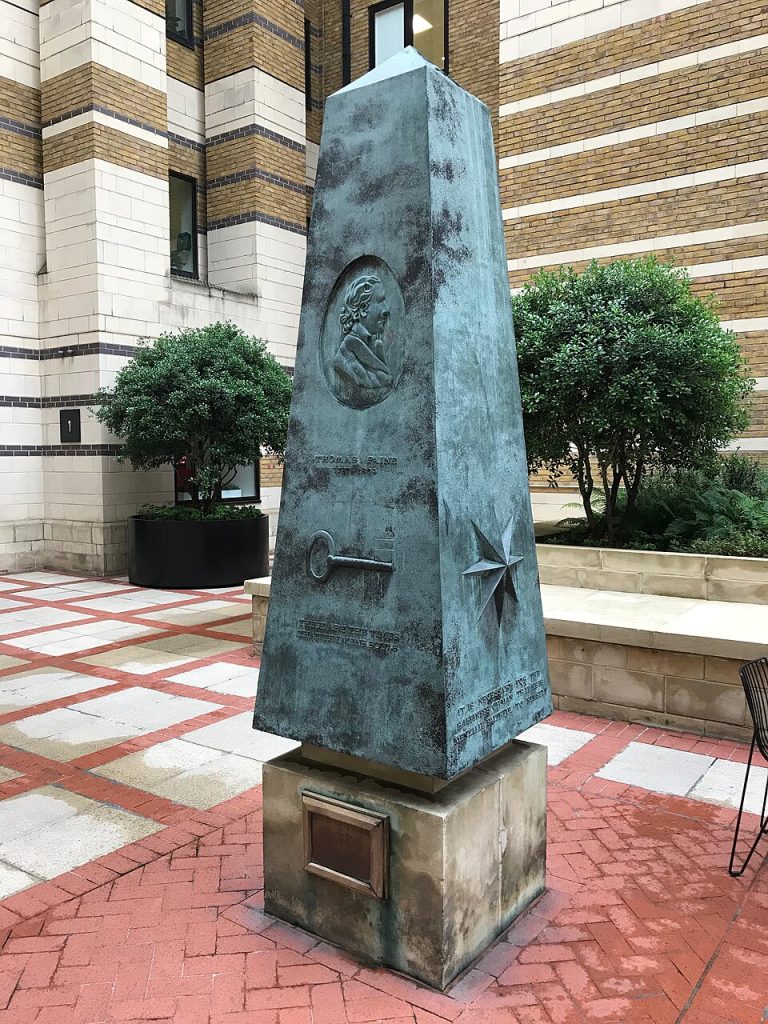
A statue of Paine in Morristown, New Jersey sculpted in 1950 by Georg J. Lober. It shows a seated Paine with a musket using a drum-head as a makeshift table.The Thomas Paine statue in the Parc Montsouris, in Paris, France. It was dedicated in 1948 and created by Gutzon Borglum, the sculptor of Mount Rushmore, It depicts Paine standing before the French National Convention to plead for the life of King Louis XVI – Ordinary PhilosophyThe Paine monument in Thetford, England, the birthplace of Paine, with a quill pen in his right hand and an inverted copy of The Rights of Man in his left. It was sculpted by Sir Charles Wheeler, President of the Royal Academy, and erected in 1964 – Geograph projectThe statue of Paine in Bordentown, New Jersey was erected in 1997 by the Bordentown Historical Society. The statue was erected on the spot where Paine used to graze his favorite horse, Button. Paine said, “I had rather see my horse Button eating the grass of Bordentown or Morrisenia, than see all the pomp and shew of Europe.”A sculpture of Paine by sculptor Marcus Cornish, interpreting the author as taking human form from stone. The sculpture was commissioned by an anonymous donor and unveiled outside the Lewes Library in Lewes, UK by British Politician Tony Benn in July 2010 – Lewes Town CouncilPaine’s New Rochelle Monument is a 12-foot marble column marking his burial site. Paine’s New Rochelle In 1837, Gilbert Vale, editor of the New York Beacon, started a subscription for the purpose of erecting the monument that was dedicated on May 30th, 1881. Sculptor William Macdonald created the bronze bust that was placed upon the monument on May 30th, 1899 – FlickrThe Thomas Paine Obelisk located in Angel Square in London. It was created by the artist Kevin Jordan and the sculpture was unveiled on June 13, 1991. It commemorates the 200th anniversary of the publication of Paine’s ‘Rights of Man’, which he is believed to have started writing at the historic Angel Inn nearby. Each face of the bronze obelisk is decorated with relief work and inscriptions – Photo by Matt BrownA bust of Thomas Paine by the “Prairie Cinderella” Vinnie Ream (1847-1914). Ream also made a famous bust of Abraham Lincoln in the U.S. Capitol Rotunda becoming the first woman and youngest artist (at 18 years old) to be awarded a statue commission from the U.S. Congress. Photograph by Otto Will – The New York Public LibraryA 1876 marble bust of Thomas Paine created by American sculptor Sidney H. Morse (1832–1903). The bust was a gift created for a pedestal in Independence Hall in Philadelphia, to commemorate the centennial of the Declaration of Independence but was rejected by the organization’s Select Council. It originally stood on a pedastal of polished granite that together stood six and a half feet. Today, the original marble is with the American Philosophical Society in Philadelphia – New York Public LibraryA 1881 bust of Thomas Paine at the Leicester Secular Hall in Leicester, England is part of a series called “The Five Busts” by the sculptor Ambrose Louis Vago – MayhematicsA 1945 bronze bust of Thomas Paine at the Hall of Fame for Great Americans in Bronx, New York City. was sculpted by Malvina Hoffman. It is located on the campus of Bronx Community College – Westchester County Historical SocietyBust of Thomas Paine in profile by sculptor George Kendall Warren (1824-1884) – Harvard College LibraryThis plaque is attached to the wall of the Thomas Paine Hotel in Thetford, England. The plaque is dated October 21st, 1943 and was erected during World War II through the ‘voluntary contributions of soldiers of an American Airforce Group’ – Photo by Jim LinwoodPlaque at Bull House inn located at 92 Lewes High Street in Lewes, England where Paine lived from 1768 to 1774. The inscription says “This stone found here probably formed part of the tobbaco mill of Thomas Paine”.A marker erected by NYC Parks in Thomas Paine Park in next to City Hall in New York City. The park is marked by a fountain called The Triumph of the Human Spirit, a 300-ton-plus monument dedicated on October 12, 2000 – Photo by Larry GertnerThomas Paine Plaza is an open space park in Philadelphia, Pennsylvania and named in honor of Paine. It surrounds the city’s Municipal Services Building across from Dilworth Park and City Hall – Photo by Shana McDanoldThe long-planned $20 million redesign proposal for Center City’s Thomas Paine Plaza with a tentative start date in 2025 – Philadelphia Department of Public PropertyThomas Paine Park in Bordentown, NJ where Paine’s favorite horse named “Button” used to graze. Paine often mentioned Button in his letters as a symbol of his affection for Bordentown. In 1789, Paine famously wrote that, “I had rather see my horse Button in his own stable, or eating the grass of Bordentown or Morrisania, than see all the pomp and show of Europe”.“Knowledge is Power”, a quote by Francis Bacon, is a 2014 sculpture by artist Zenos Frudakis seen standing next to the sculpture at Rowan University in Glassboro, New Jersey. The sculpted large open book features Charles Darwin and Albert Einstein emerging from the pages. Thomas Paine is in the sculpture along with the quote, “I offer nothing more than simple facts, plain arguments and common sense” – Wikipedia CommonsZenos Frudakis, a world-famous sculptor, at work capturing Thomas Paine’s essence. This clay model is displayed in the Frudakis Studios in Glenside, Pennsylvania. The Thomas Paine Memorial Association is raising funds to use Frudakis’ sculpture to raise a long-overdue monument to honor Thomas Paine in Washington D.C. – See more information.
To our nation’s discredit, Thomas Paine, the man Thomas Jefferson called “the Father of the Revolution,” has no national memorial in Washington, D.C. The Thomas Paine Memorial Association was founded to raise a long-overdue monument to honor Thomas Paine in the heart of our nation’s capital. Read about their efforts and give your support by clicking here.

.jpg)