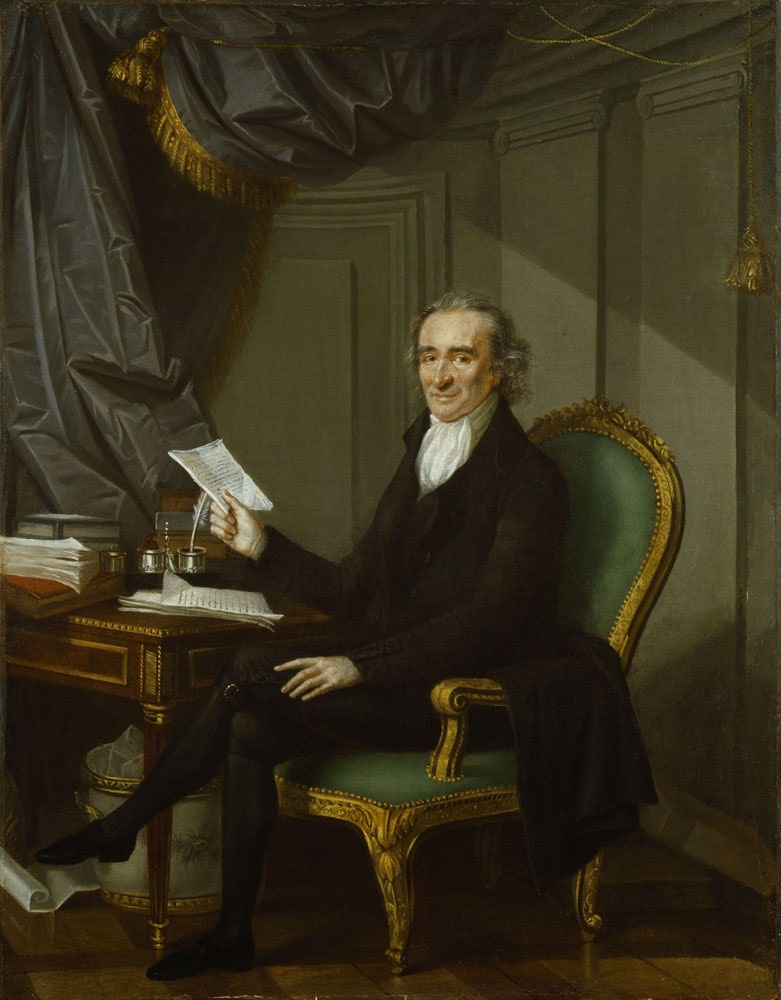
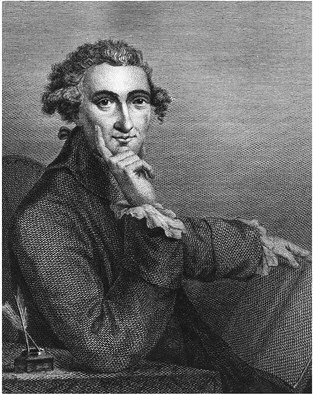
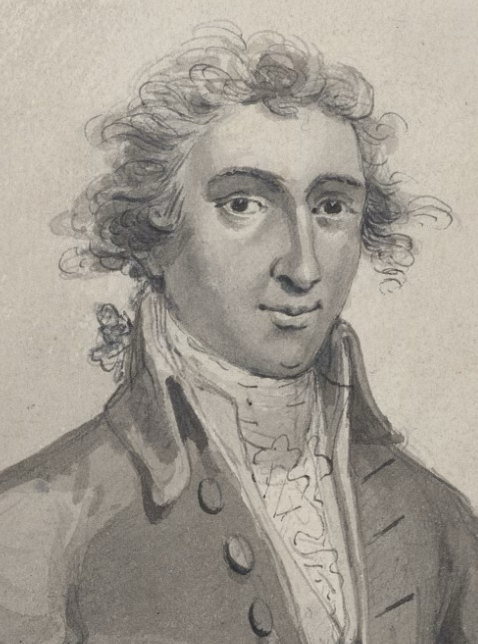
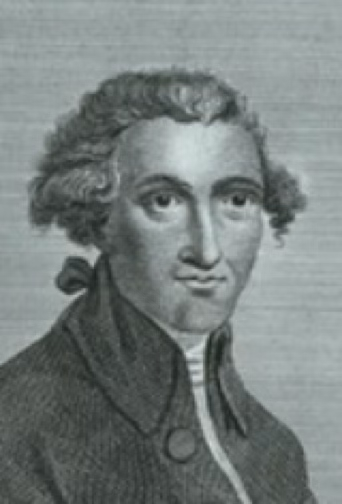
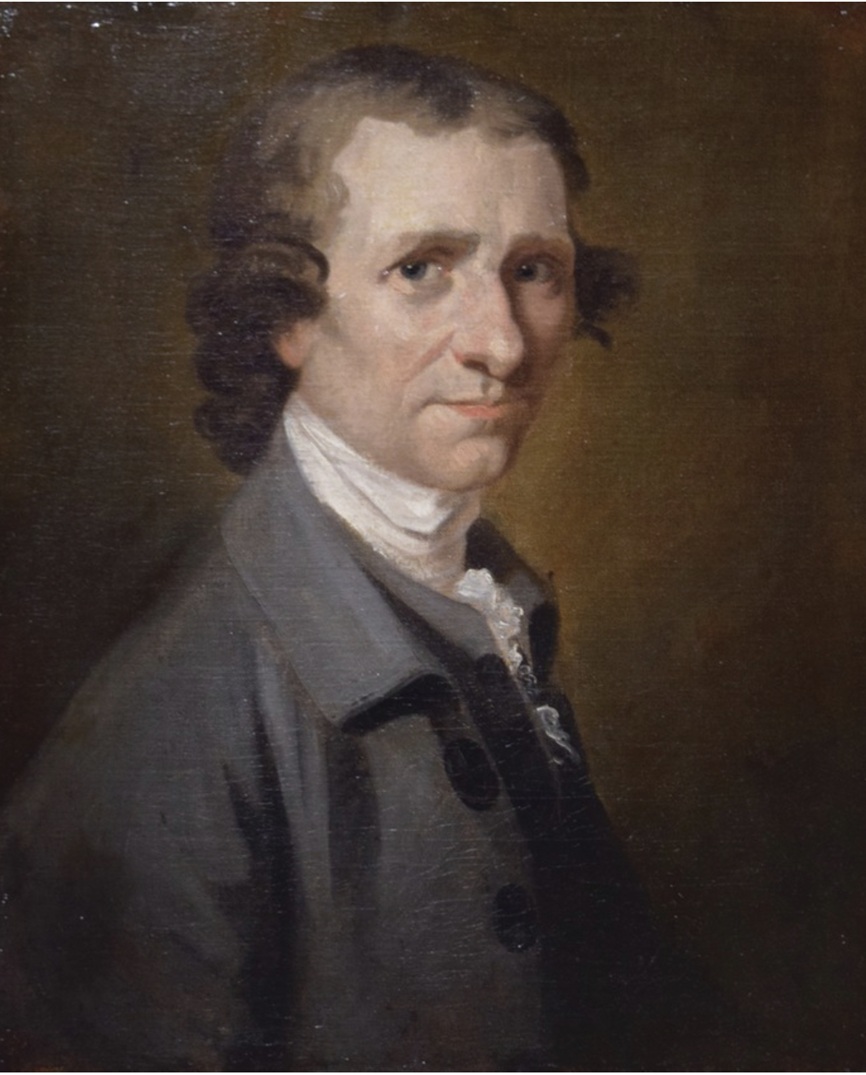
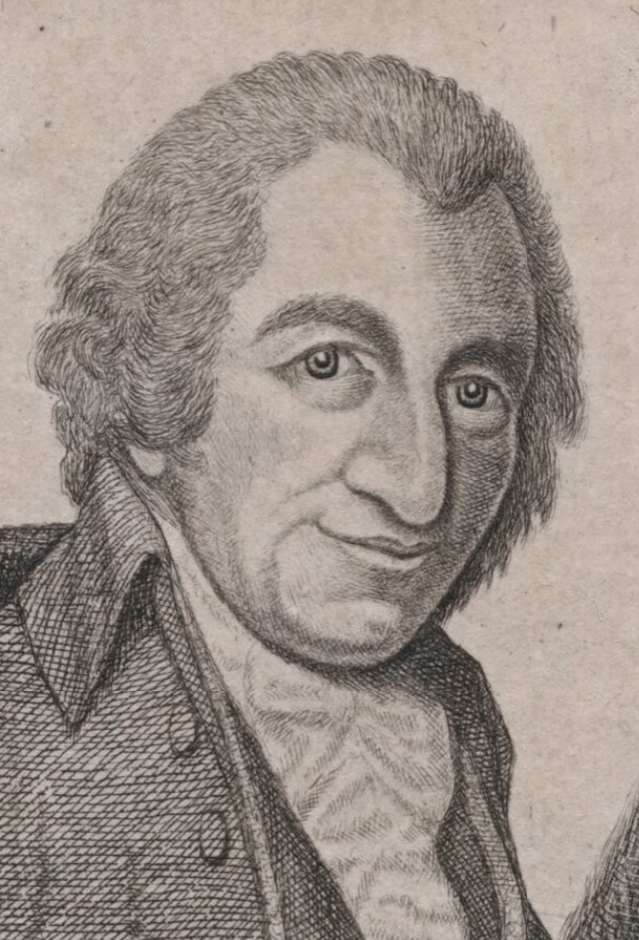
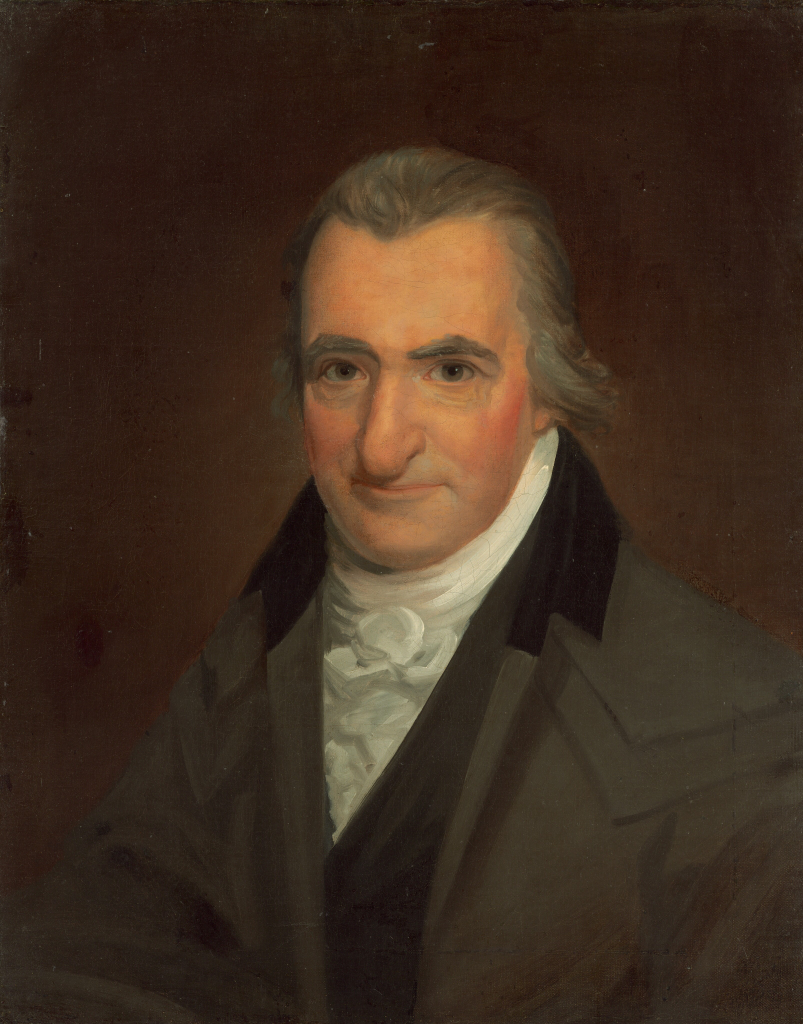
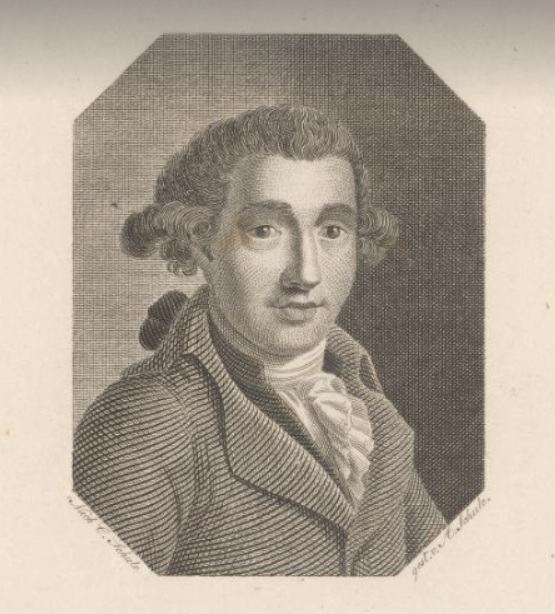
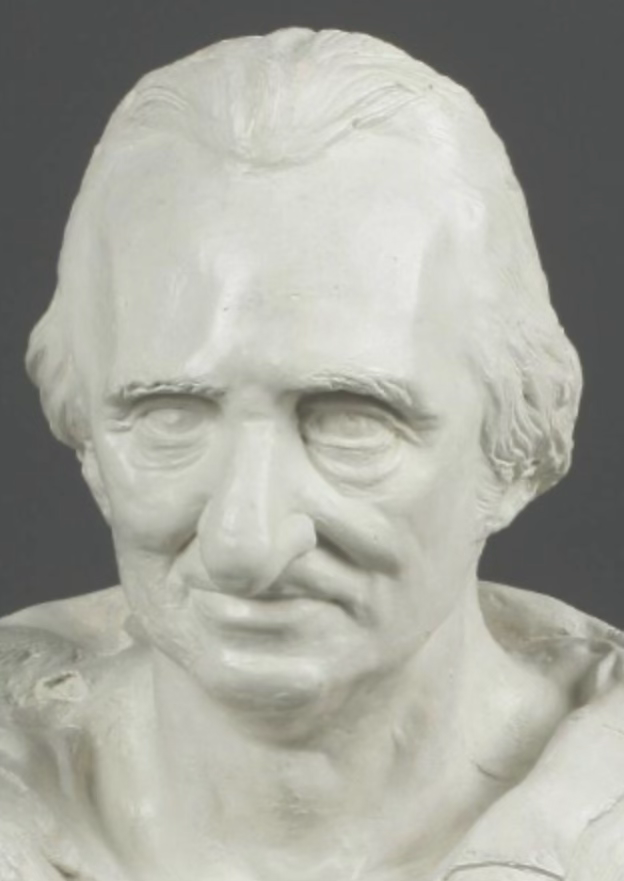
This original collection of Thomas Paine portraits, paintings, etchings and sketches reflects how Paine has been depicted over the past two and a half centuries by artists across the globe. Click on any image to enlarge.
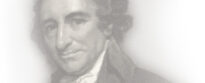
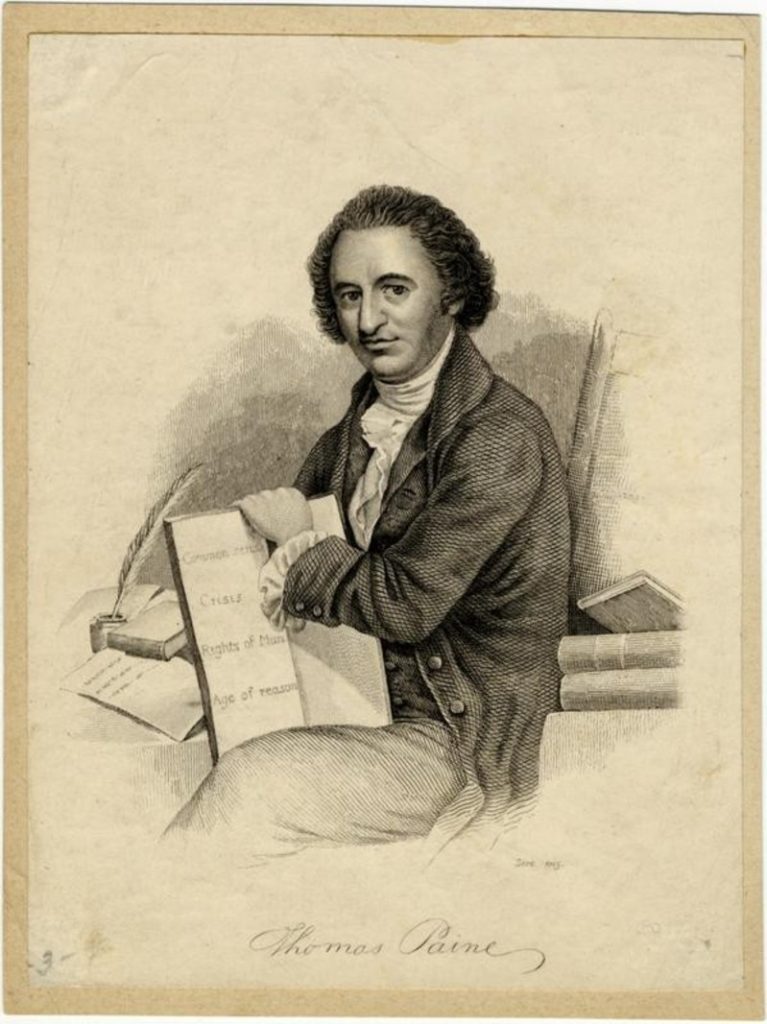
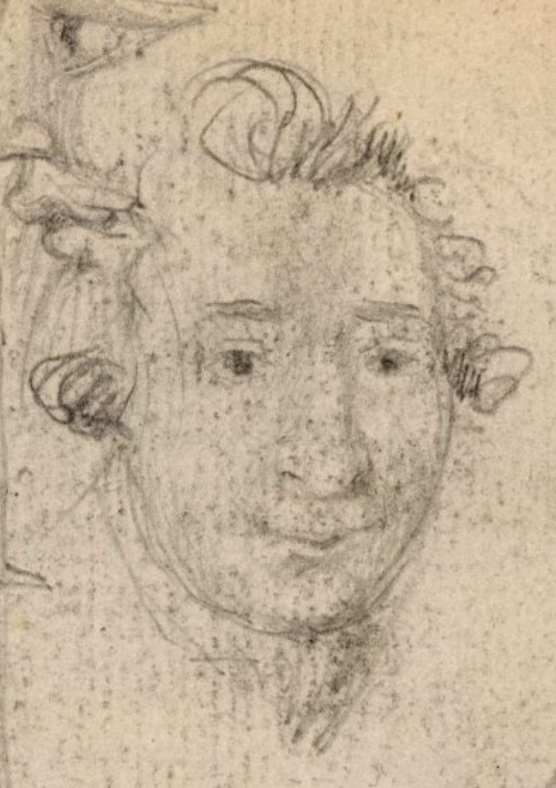
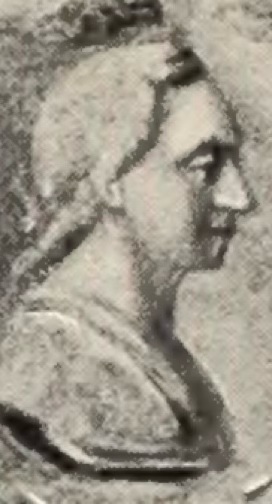
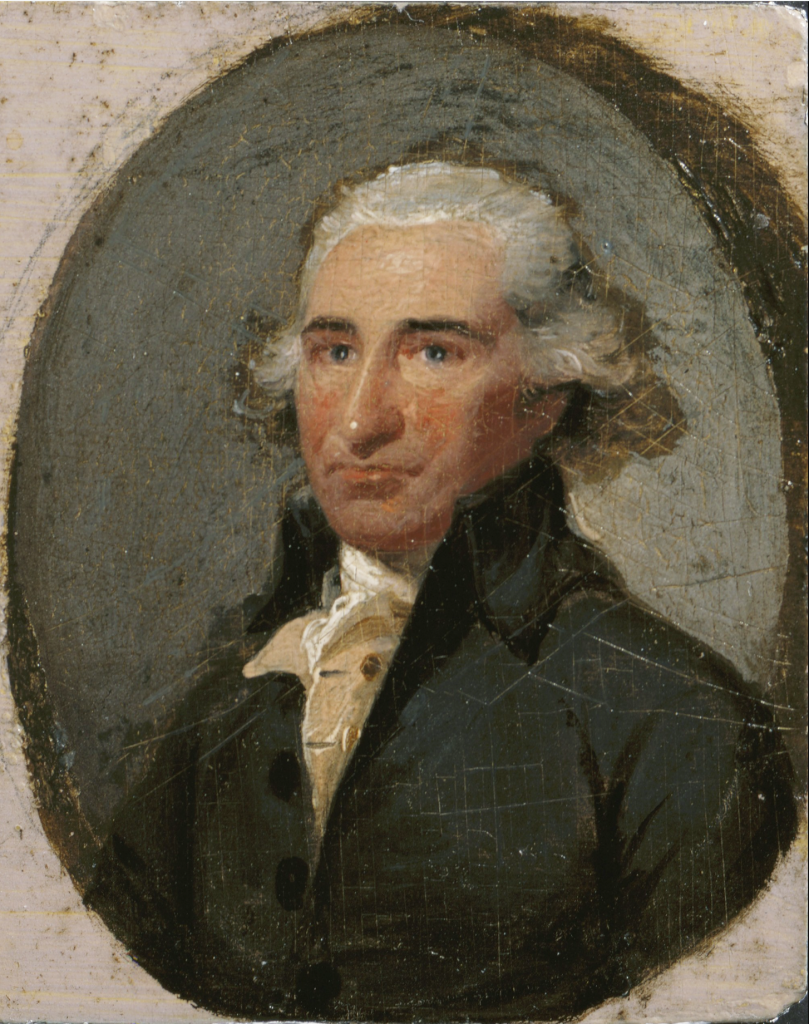
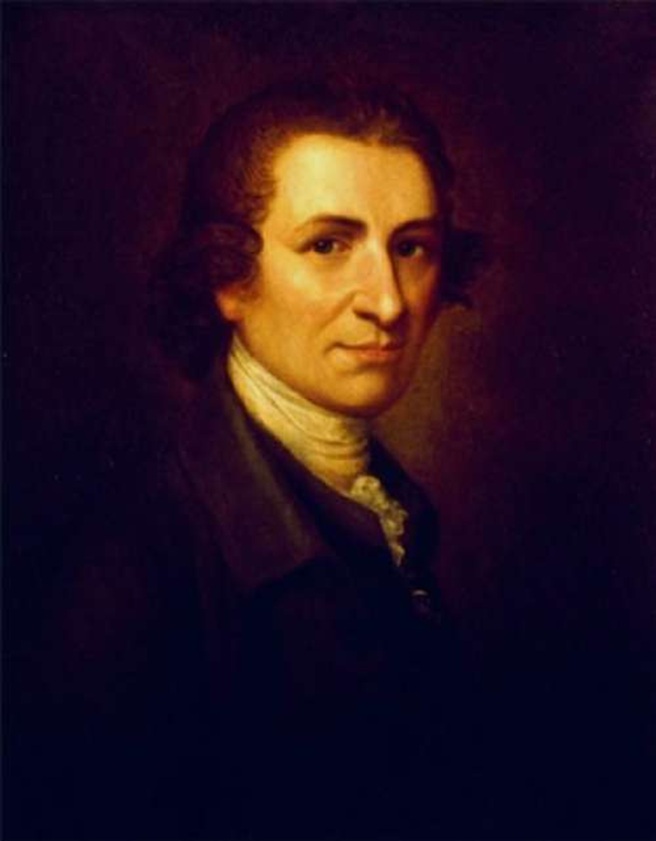
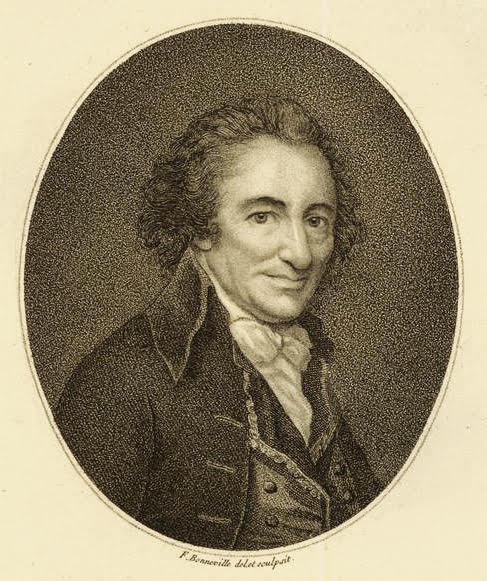
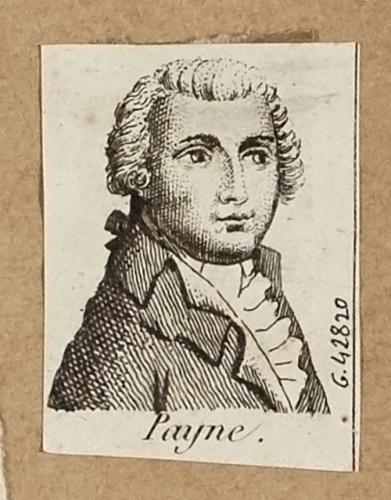
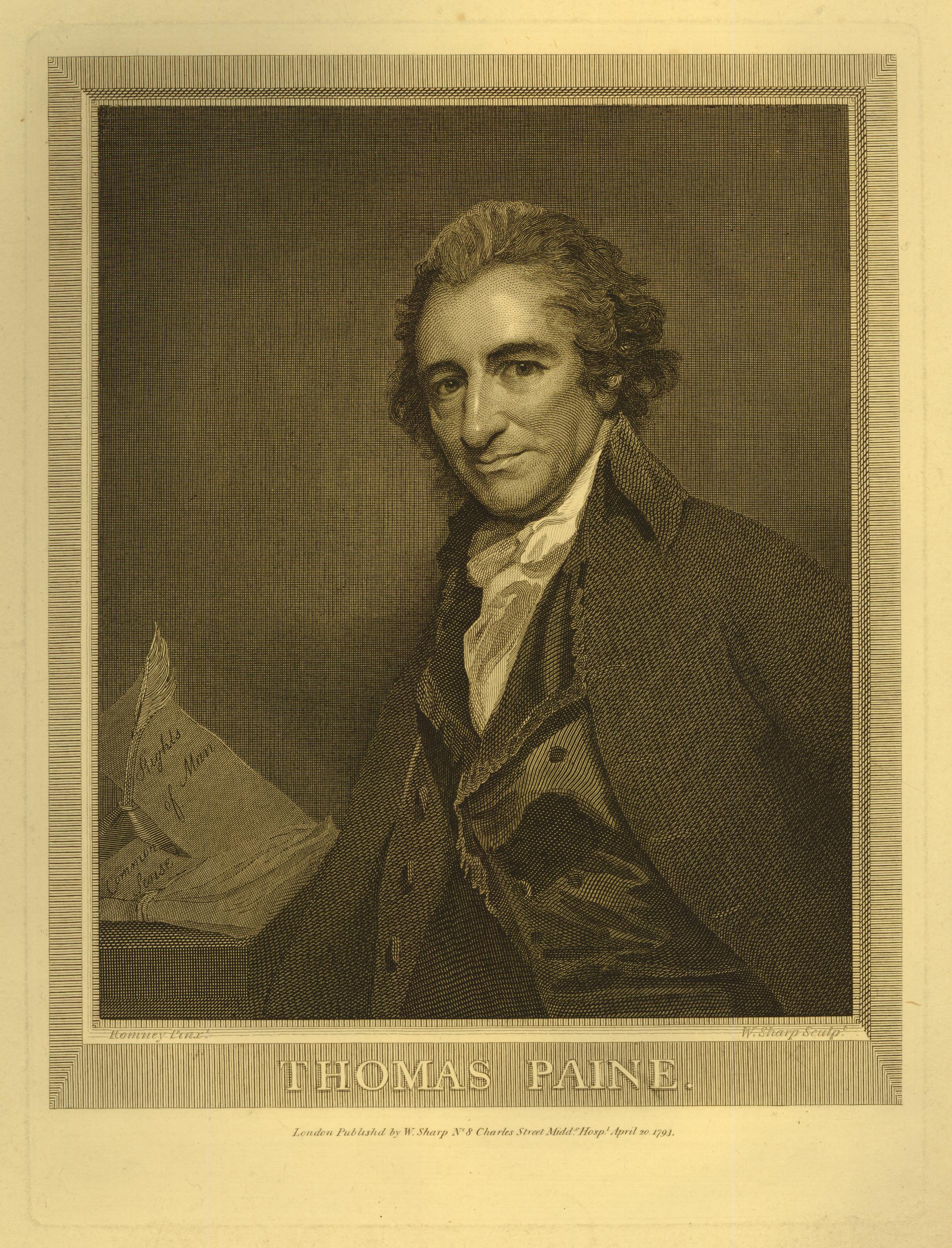
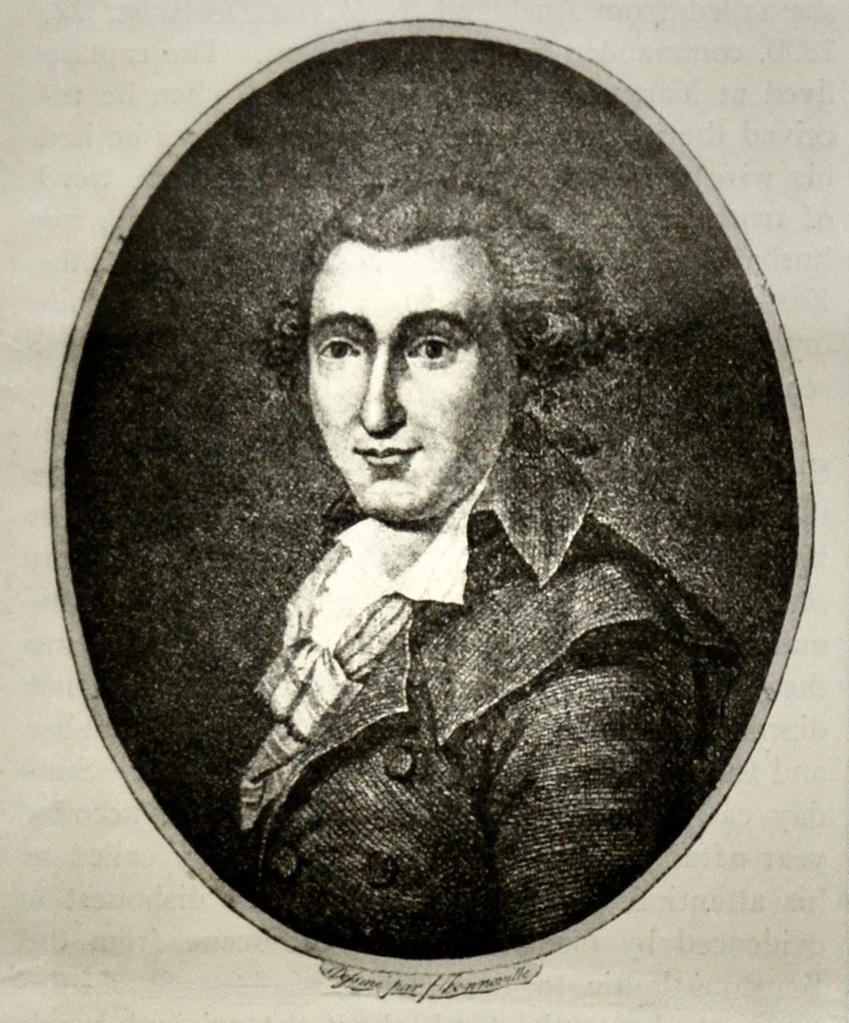
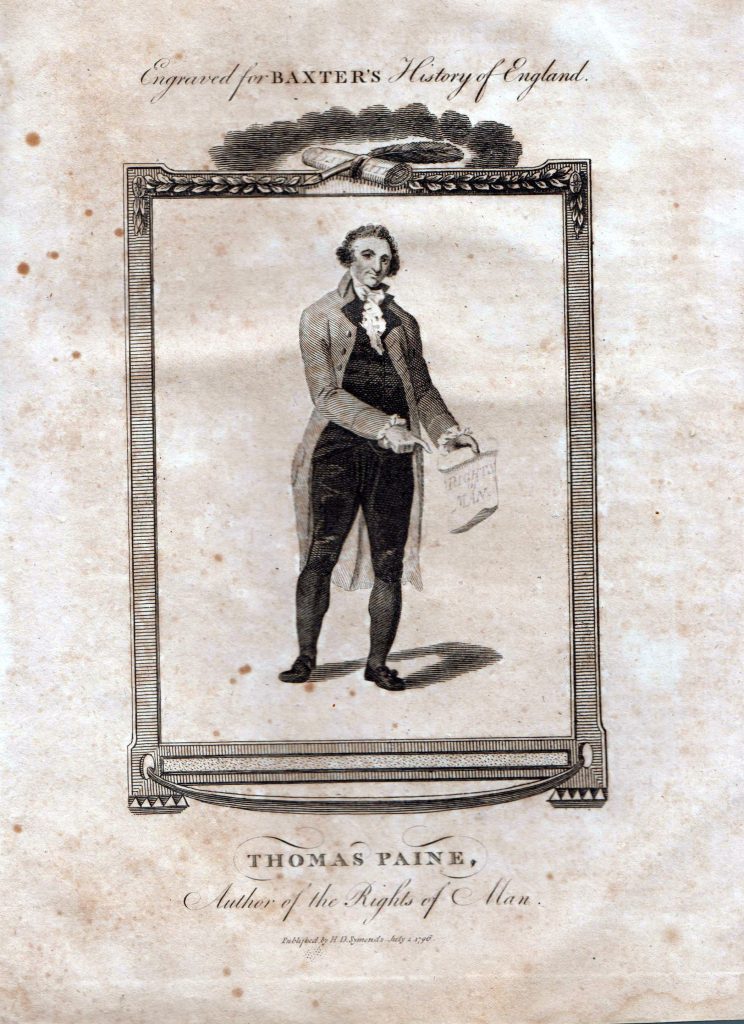
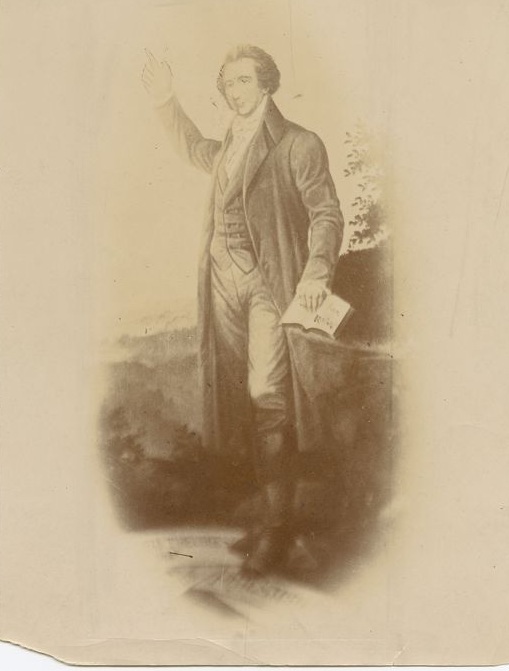
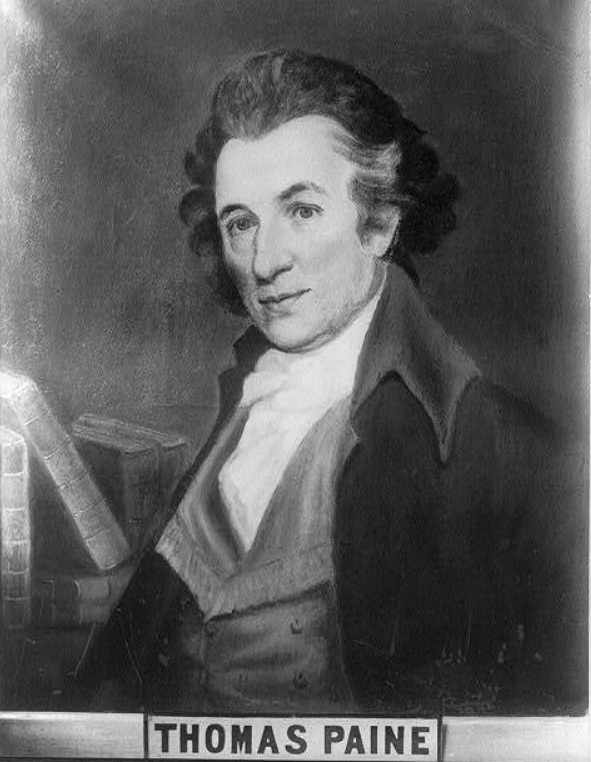
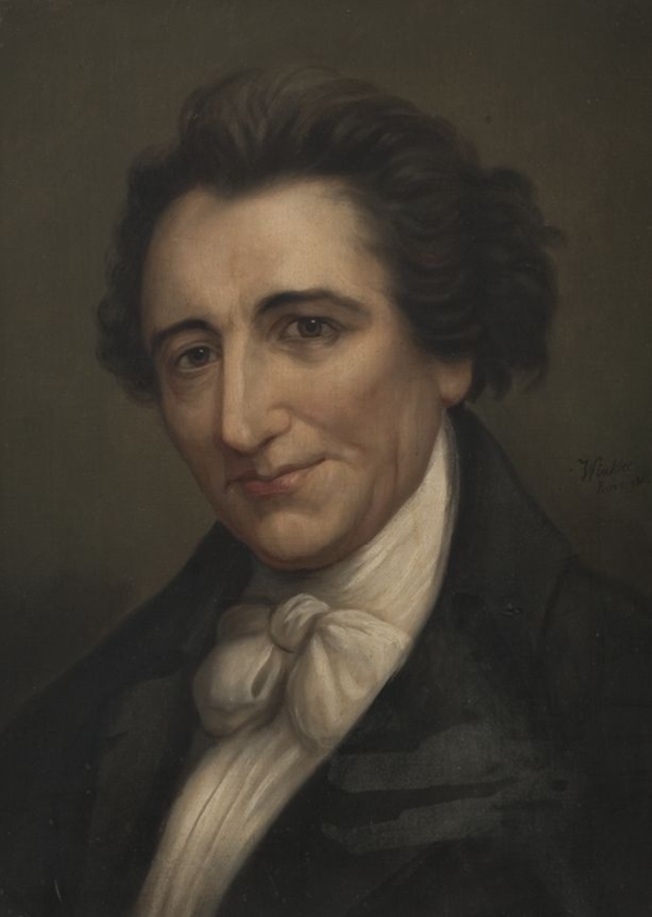
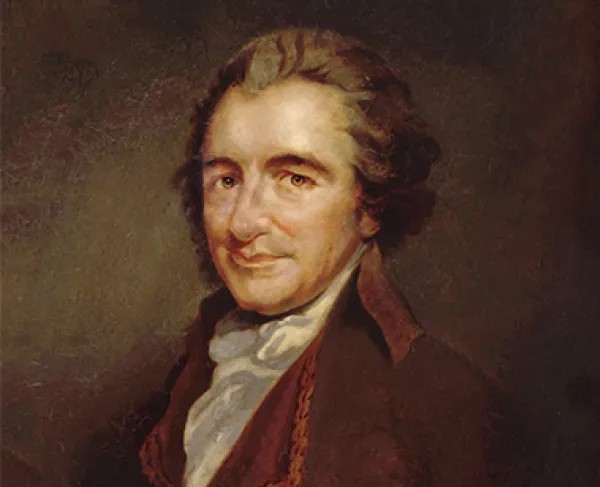
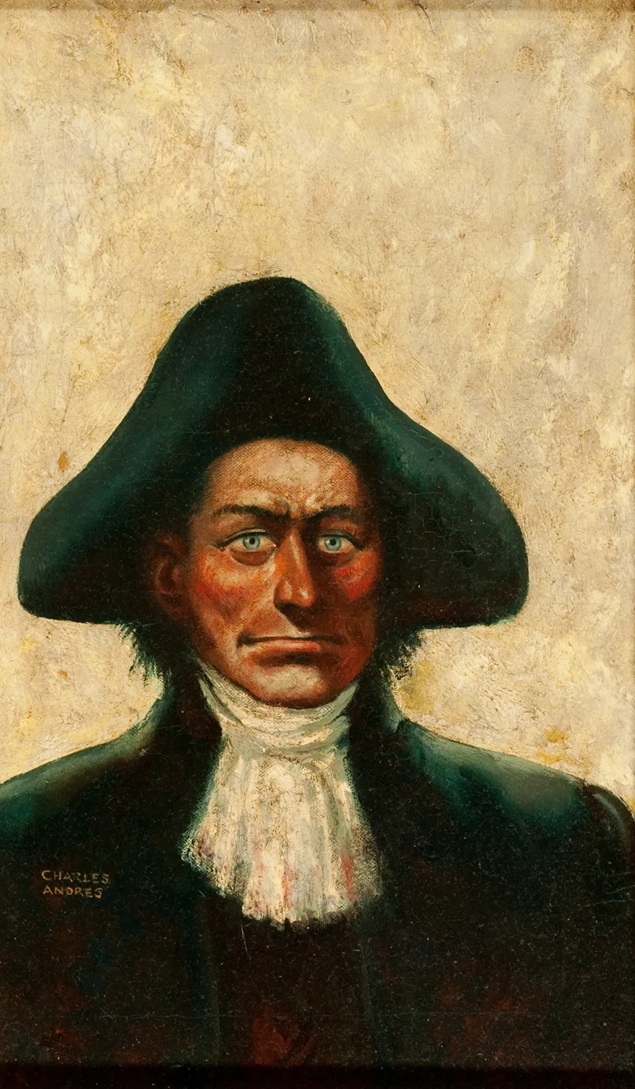
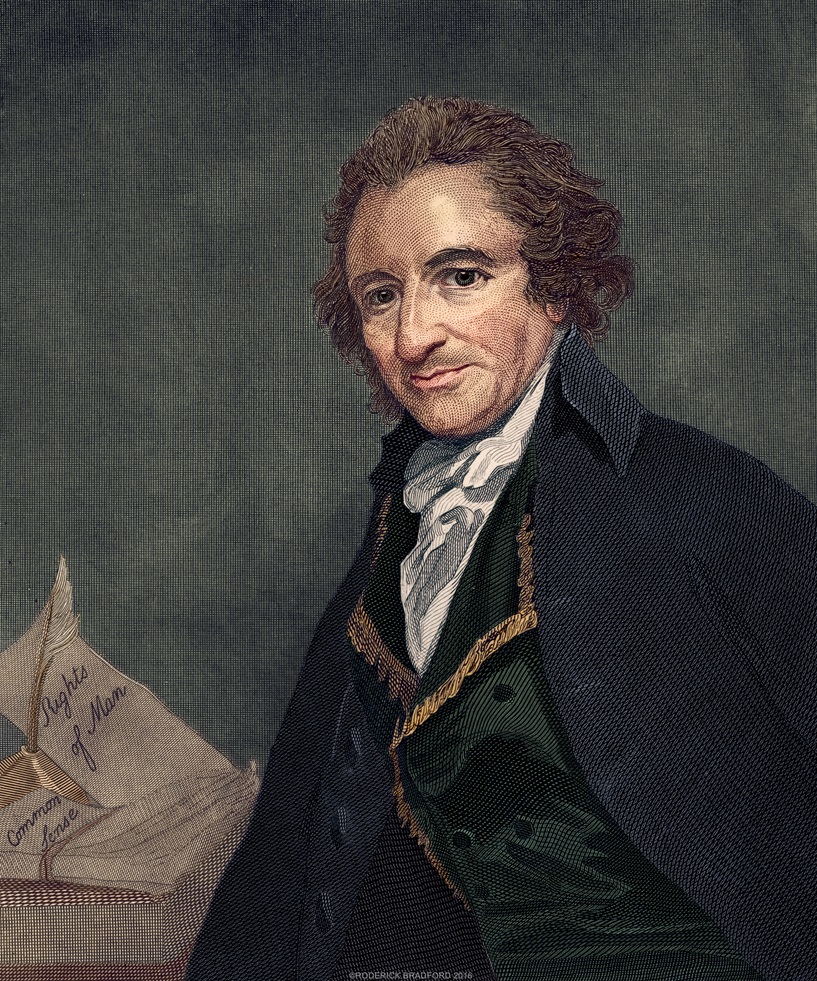
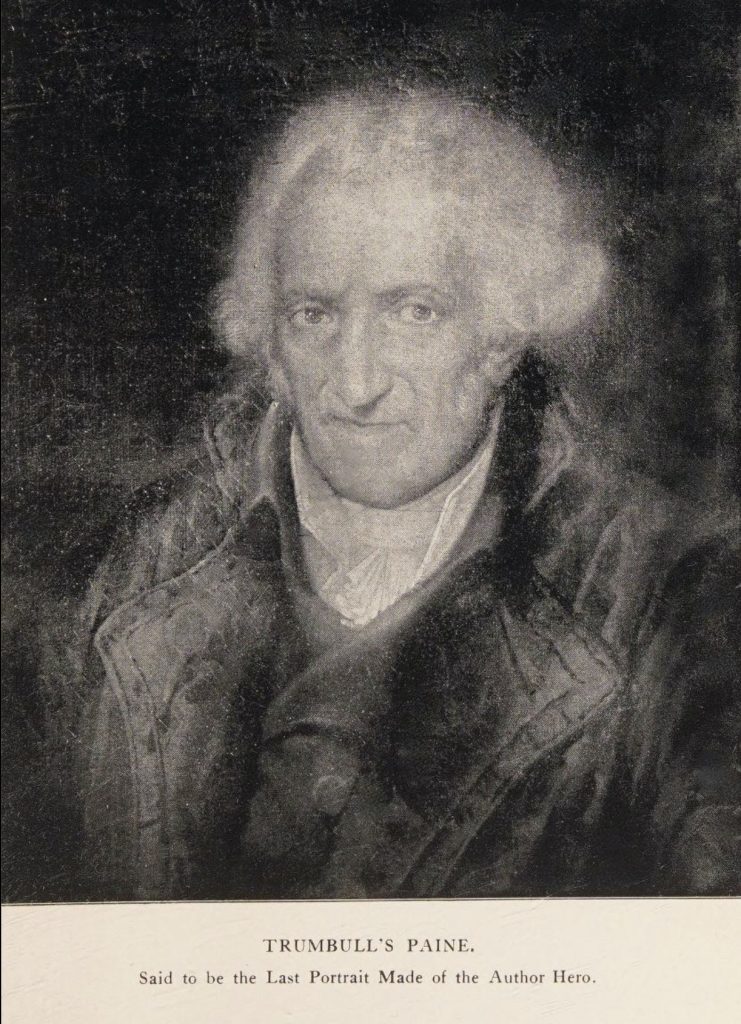
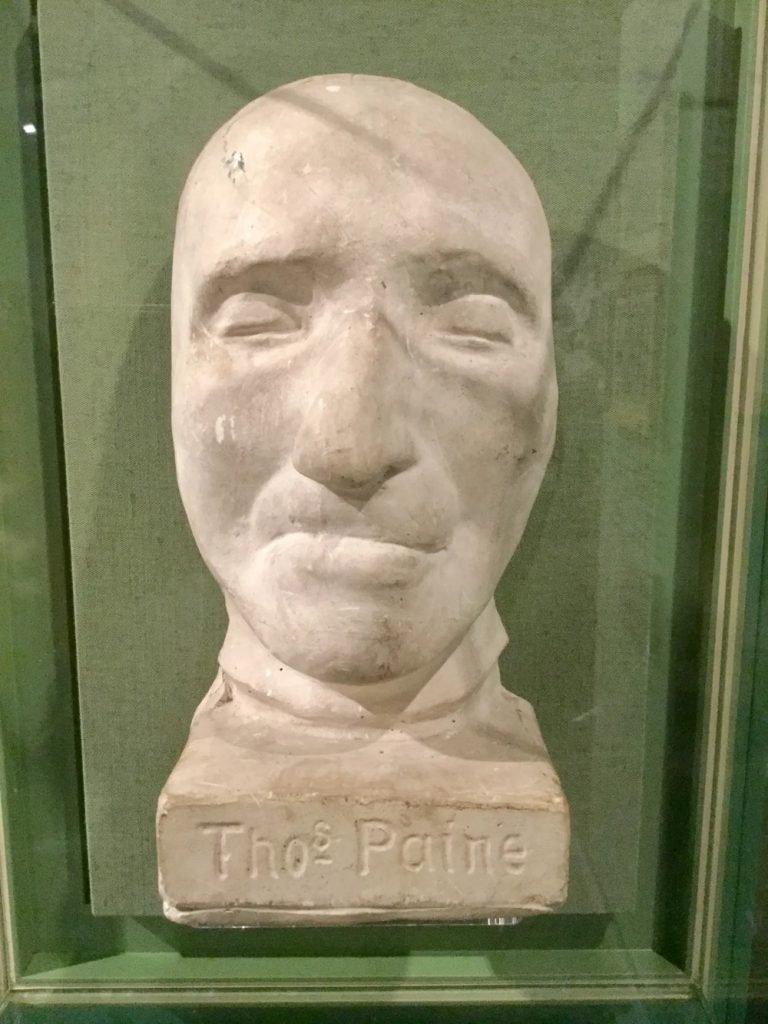
Sketch of a young Thomas Paine – Courtesy of the Truth Seeker English poet William Blake’s undated drawing titled “Thomas Paine” from a manuscript in his Notebook (page 74) – Wikimedia Commons A 1892 sketch of a young Thomas Paine by Moncure Daniel Conway from “The Life of Thomas Paine ” – Truth Seeker magazine A miniature of Paine that John Trumbull sent to Thomas Jefferson in 1788 began as an original rather than a derivative, it was probably “repainted” by a “wayward contemporary” of Trumbull. Jerfferson admired the painting so much that he hung it at his home in Monticello until he died. In the 1950’s, it surfaced after being long lost for a long time. It was upside down in a box with the eyes poked out and slash marks in the chest – Courtesy of Monticello.org Thomas Paine portrait by American painter Matthew Pratt (1734-1805) created circa 1790, housed at Lafayette College and part of the Smithsonian Institution’s collection. This painting captures Paine during his later years in France – Lafayette College Art Collection This engraving, created in the 1790s, is titled “Thomas Paine: Ex député à la Convention Nationale ” (Former member of the National Convention) and is by François Bonneville, cousin of Paine’s friend and ally, Nicolas Bonneville. Paine lived with the Bonneville’s for many years. François most certainly knew Paine very well – Bibliothèque Nationale de France A Paine sketch, spelled ‘Payne’, by an anonymous French artist from an unknown date – Musée Carnavalet An oil on canvas portait of Thomas Paine by Laurent Dabos, circa 1791 – National Portrait Gallery “Thomas Paine and the Dialogues of Early America ” by William Angus of Islington (a frontispiece to 1791 ‘Letter to Abbe Raynal’ and based on confiscated Charles Willson Peale portrait) – John J. Burns Library “Thomas Paine ” 1792 pencil sketch by British painter, caricaturist and draughtsman Samuel Collings – National Portrait Gallery (DC) “Thomas Paine ” in 1792 from a Henry Mutlow engraving based on confiscated Charles Willson Peale portrait – New York Public Library Digital Collections The famous 1793 “Thomas Paine ” engraving by Paine’s friend William Sharp, the most highly regarded engraver of his day, was made as a copy of a lost 1792 original oil painting by another of Paine’s friends, George Romney. Paine is shown with bundles of papers labelled ‘Rights of Man’ and ‘Common Sense’ with a quill on the table beside him to left – © The Trustees of the British Museum “Thomas Paine ” is a 1793 James Watson engraving based on confiscated Charles Willson Peale portrait – New York Public Library Digital Collections Undated Thomas Paine sketch by François Bonneville, cousin of Paine’s friend and ally, Nicolas Bonneville. Paine lived with the Bonneville’s for many years. François most certainly knew Paine very well. The sketch shows Paine in the costume of a member of the French Assembly during the French Revolution. From the February 7, 1914 issue of The Truth Seeker “Thomas Paine Author of the Rights of Man ” sketch from John Baxter’s 1796 ‘Impartial History of England’. Paine is shown holding and pointing to a scroll inscribed “Rights of Man”. The framing device contains a scroll inscribed “Equality”. – Internet Archive Oil on canvas portrait of Thomas Paine by A. Easton, (circa 1800) created for the Labour Society of London, UK – The Colonial Williamsburg Foundation “Thomas Paine ” is an 1800 portrait by an unknown artist – New York Public Library Thomas Paine portrait circa 1800 attributed to English painter and Paine friend George Romney. It is possible that this painting is the famous ‘lost’ portrait by Romney – Anderson C. Bouchelle Study Center and Gallery for International Decorative Arts “Thomas Paine ” 1801 etching by John Kay, after the lost George Romney painting. Made in Edinburgh, Scotland – National Portrait Gallery (London ) “Thomas Paine ” 1806-1807 life portrait by John Wesley Jarvis – National Gallery of Art The 1822 “Portret van Thomas Paine ” is a intaglio by print maker Albert Schule after a design by Christian Schule created in Zwickau, Germany – Rijksmuseum Photographic reproduction of a 1859 painting attributed to Bass Otis, possibly after the Thomas Thompson copy or from the William Sharp engraving copied from a lost 1792 painting by George Romney – Library of Congress “Thomas Paine ” is an 1865 oil painting by an artist known simply as Winkler made in Paris – American Philosophical Society “Thomas Paine ” 1876 painting by Auguste Millière copied from a 1793 William Sharp engraving taken directly from the lost 1792 George Romney life painting – New York Public Library Digital Collections A detail from a mezzotint in the unpublished W.G. Clarke scrapbook, specifically item MS 120:43 held by the Norfolk Record Office (Thomas Paine Centenary 1909). This specific mezzotint detail served as the frontispiece for the 1892 biography, ‘The Life of Thomas Paine ‘, by Moncure Daniel Conway – Norfolk Record Office The painting created by Paine admirer Charles John Andres for the cover art of the 1945 Bantam paperback book “Citizen Tom Paine” by Howard Fast. The painting was Andres’ first commercial book cover and the first Bantam paperback, a new idea in publishing started by publisher Ian Ballantine. The painting hung in the Andres family kitchen in Maine for over 60 years. Paine’s collar has bloodstains on it to represent his fight for liberty – Used with permission of the Estate of Charles J. Andres Engraving of Thomas Paine by Paine’s friend William Sharp colorized in 2016 by Rod Bradford of the Truth Seeker and used with his permission – Truth Seeker magazine A sketch of Paine by John Trumbull in his later years believed to the last portrait of Paine made in his lifetime “Thomas Paine’s Death Mask ” taken from Paine’s face after 1809 death and displayed at the Ancient House Museum in Thetford, Norfolk, UK – Photo from ‘Ordinary Philosophy’ “Thomas Paine ” a 1809 painted plaster cast sculpture by John Wesley Jarvis based on his death mask – New York Historical Society Museum & Library