
By Joy Masoff
Part Three of a Three-Part Historiography
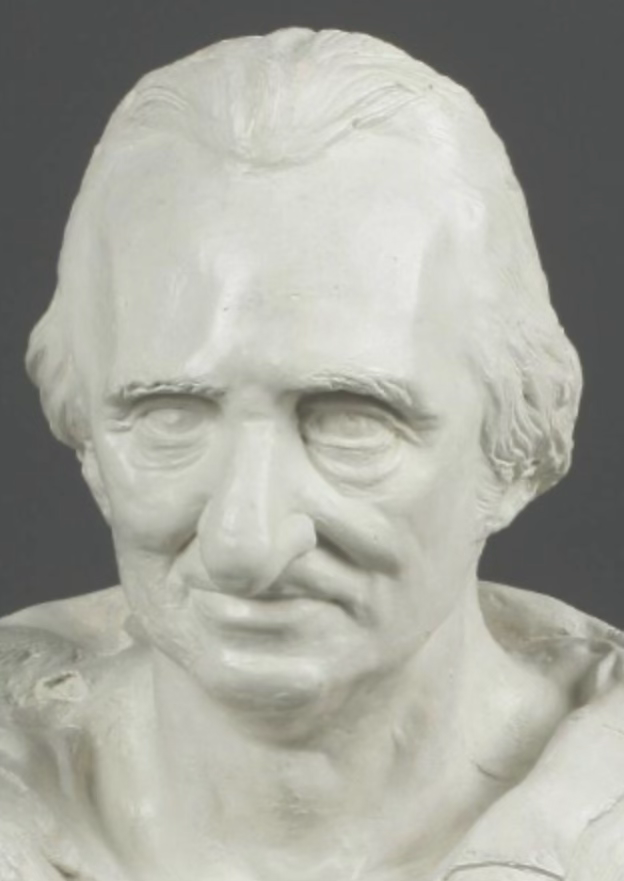
The last decades of the 20th century saw revived interest in the life and contributions of Thomas Paine, evidenced by the books published. Three new studies of Paine were Gregory Claeys’ Thomas Paine: Social and Political Thought (1989), Jack Fruchtman Jr.’s Thomas Paine: Apostle of Freedom (1994). and John Keane’s Tom Paine: A Political Life (1995).
Claeys’ biography, published in London, investigates Paine’s influence on social and political thinking in Britain and America, focusing on how Paine’s ideas were understood in the moment. Claeys presents Paine as an important writer on politics and society. He also criticized earlier Foner and Aldridge biographies for ignoring discussions of Paine’s repeated calls for simple human kindness and moral virtue.
The second decade of the 21st century introduced two more books on Paine’s life and contributions.
Thomas Paine: Britain, America, and France in the Age of Enlightenment (2019) by J.C.D. Clark seems determined to tar Paine as an unoriginal thinker who contributed next to nothing to revolutionary events — another belittling Paine biography.
Thomas Paine and the Clarion Call for American Independence (2019) by Harlow Giles Unger was a well-received, easily readable and mostly accurate biography. Unger made Paine much more accessible to mainstream readers but added little to Paine studies.
Since Conway’s 1892 biography, the historiography of Thomas Paine has offered readers glimpses of greatness, petty personal attacks, and weighty word-by-word analyses. Consideration is rarely given to views of Paine as a man with loyal friends and people he loved.
Instead, as historian Yannick Bosc wrote, “Behind the smoke from the censer, there are always sulfurous fumes floating around Thomas Paine.”
More than 200 years of historiographical inquiry still leaves us with too many questions. We can only look forward to the new, impartial, unbiased, and well-researched works that are yet to come.