
By Gary Berton
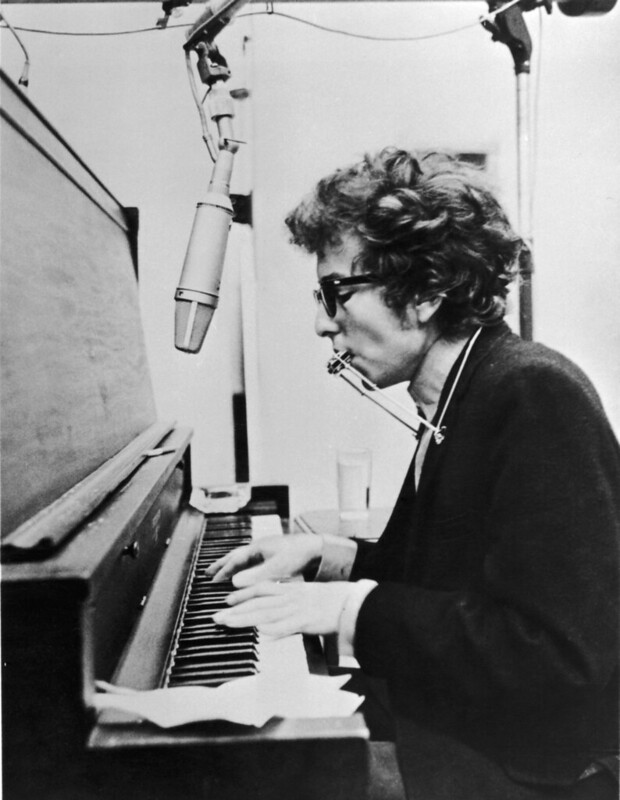
I had heard Thomas Paine’s name, but Bob Dylan put me on the track of discovering Paine’s profound importance in history.
Dylan has been the soundtrack of my life. When he sang about Paine in the song, “As I went out One Morning,” on the 1967 John Wesley Harding album, his lyrics stayed with me.
As I went out one morning
To breathe the air around Tom Paine’s
I spied the fairest damsel
That ever did walk in chains
I offered her my hand
She took me by the arm
I knew that very instant
She meant to do me harm
“Depart from me this moment”
I told her with my voice
Said she, “But I don’t wish to”
Said I, “But you have no choice”
“I beg you, sir”, she pleaded
From the corners of her mouth
“I will secretly accept you
And together we’ll fly south”
Just then Tom Paine, himself
Came running from across the field
Shouting at this lovely girl
And commanding her to yield
And as she was letting go her grip
Up Tom Paine did run “
I’m sorry, sir”, he said to me
“I’m sorry for what she’s done”
When I entered graduate school at the University of Toronto, this song was in my head. I pursued studies in the history of political philosophy. I soon realized that Paine was not part of the curriculum, so I left, instead preferring a factory job. But I continued reading and researching Paine.
For 56 years now, the path is paying off for me by being able to help bring the truth of Paine to the world, as in the form of the new Thomas Paine Collected Works, and by spreading it through the Thomas Paine National Historical Association. Bob Dylan led me to Paine.