
By Frances Chiu
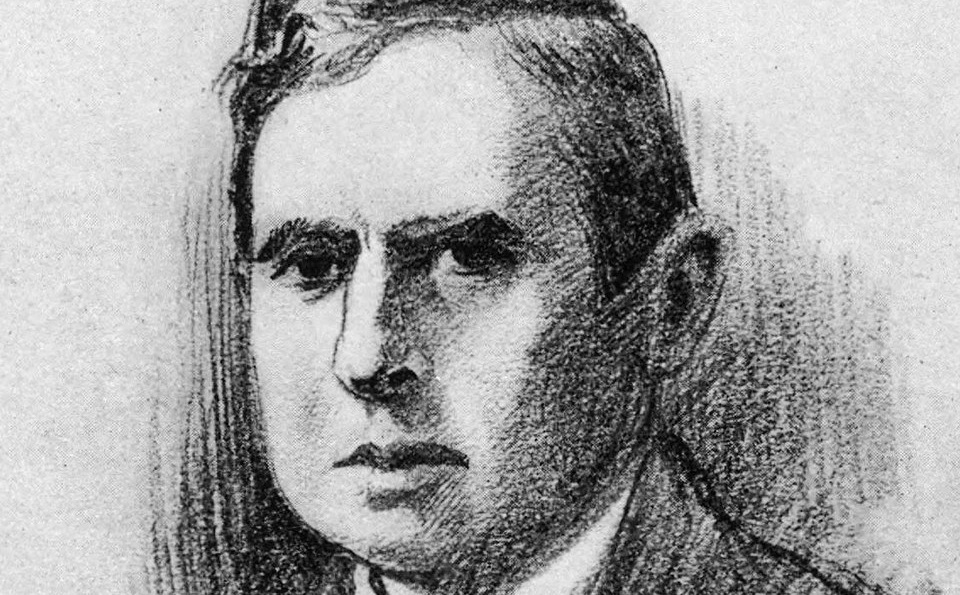

When we hear the name Theodore Dreiser, we think of his novels, Sister Carrie (1900) or An American Tragedy (1925), adapted into George Stevens’ film, A Place in the Sun (1951). We tend to forget Tragic America (1931) or America is Worth Saving (1941), his commentaries on Depression-era America.
Tragic America was almost immediately banned from bookstores and libraries. The Carnegie Library in Pennsylvania reportedly burned all copies. America is Worth Saving was critically dismissed with few reviews. The fact Dreiser joined the Communist Party in 1945 made his political ideas all the more suspect and suppressed.
Did Dreiser draw upon the ideas of Common Sense, Rights of Man and Age of Reason? In the spirit of Thomas Paine, Tragic America and America is Worth Saving reflect upon the undue political and economic might wielded by the wealthy and powerful, and its repercussions. One may view them as the American Crisis papers for those times that tried the souls of Depression-era Americans.
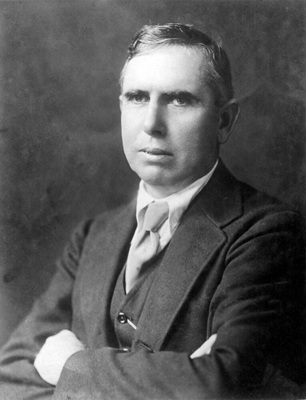

A century before Occupy, Dreiser in Tragic America declared, “…this system — which the capitalists would have us believe to be the work of sheer fate — is actually no more and no less than the absolutely planned and executed method by which the banks bring on a state of prosperity for only 1% of the people.”
Dreiser, like Paine, viewed oligarchy as a serious threat to ordinary Americans, who were sacrificed to rich overlords by a complicit government. Dreiser, like Paine, urged populist action: “We want a government for all the people! No enormous wealth in private hands! We want efficient managers for the benefit of all Americans!”
Undeterred by the repression of Tragic America, Dreiser wrote America is Worth Saving (1941). His Paineite invective railed against European aristocracy and American corporate leaders poised to gain large profits from the war, whatever their view of Hitler.
Dreiser saw little difference between Hitler’s armies and the British imperialist armies that enslaved and decimated Indians, Chinese, and South African blacks. He opposed U.S. military involvement until Germany invaded Russia and Japan attacked Pearl Harbor.
Dreiser’s ideas appear to echo Paine’s criticisms of British imperialism in Pennsylvania Magazine and The Crisis. While Dreiser’s interpretations run counter to Paine’s belief that war is a threat to commerce, a similar pacifism and desire for enlightenment resonates.

.jpg)