In Behalf Of An An Honest Man
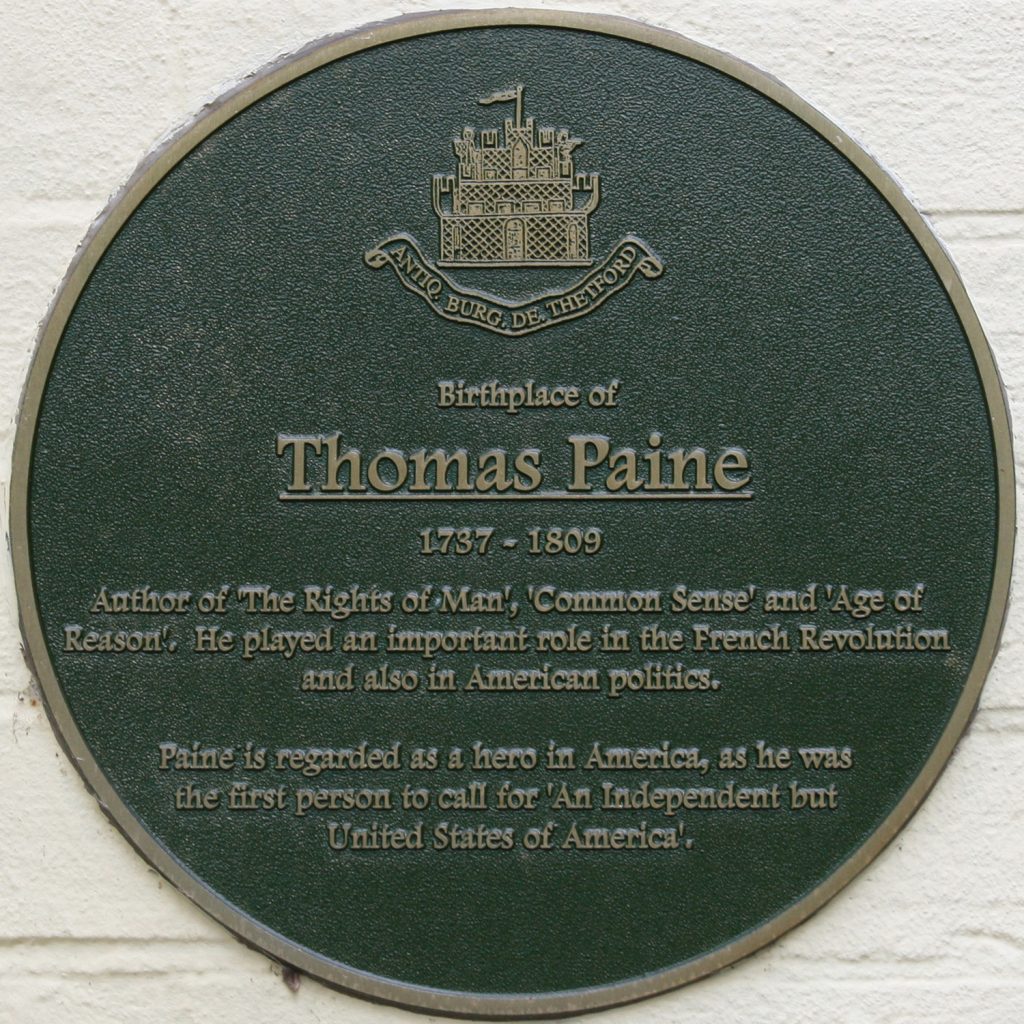
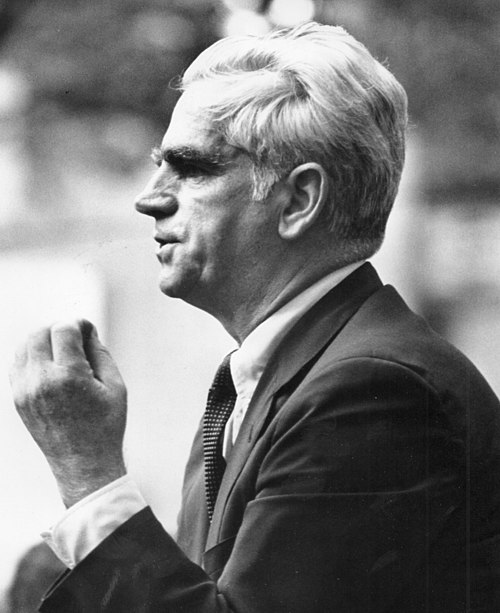
Many Americans are ambivalent about Thomas Paine, the 18th century British-American author and propagandist, for all kinds of reasons; he’s too radical in a modern way, perhaps. Paul O’Dwyer is not one of them.
Thus the weight of the evidence that we have at the moment suggests quite strongly, if not conclusively, that the “A Forester” articles of 1772-3, as well as those of 1787-9, were written by the Reverend Richard Michell, and that they were not written by Thomas Paine.
The propaganda directed against Paine, linked as it was with efforts to counteract early favourable reactions to the French Revolution, included in its scope misrepresentations of earlier periods when the continuous struggle for human rights similarly found expression in public unrest.
Paine’s fame as a writer on social, political and religious themes plus his controversial activities, has tended to obscure his passionate interest in scientific matters. Paine was perhaps the first person to recognise the critical implications of the growing stream of scientific discoveries.
Paine, I am sure, was never “just” an exciseman, a teacher, staymaker, or storekeeper. His mental activity, interest in science, government and human relations, implied that there was far more bigger and grander things for him to do.
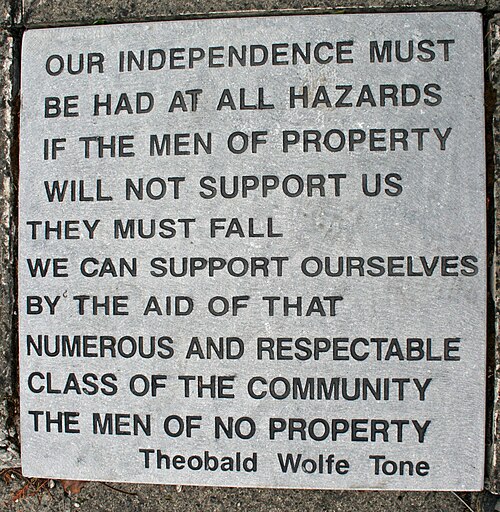
Paine’s Rights of Man was “the Koran” of Belfast, Theobald Wolfe Tone learned in October 1791 when he went north from Dublin to found the first Society of United Irishmen. Edmund Burke, an Irishman, lost the loyalty of his radical countrymen to Paine.