
Rediscovering the Birthplace of Rights of Man
Paine wrote Rights Of Man: Part the Second and published Letter Addressed To The Addressers from Rickman’s house. But is it still there?
Our collection of articles, records and reviews about Thomas Paine’s Rights of Man.
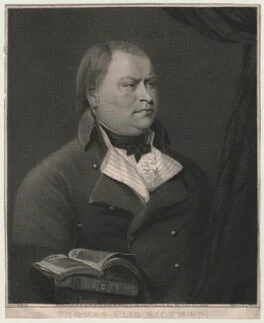
Paine wrote Rights Of Man: Part the Second and published Letter Addressed To The Addressers from Rickman’s house. But is it still there?
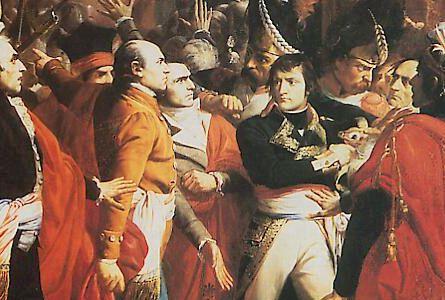
Paine’s deep relationship with the Bonnevilles lasted for more than 15 years. This essay studies Paine’s time with the Bonnevilles in Paris during the six years he lived with them, from 1797 to 1802, as Napoleon Bonaparte began his ascent to power and U.S.-France relationships floundered.
The Bonnevilles: Thomas Paine’s “Family” Part One: Read Post »
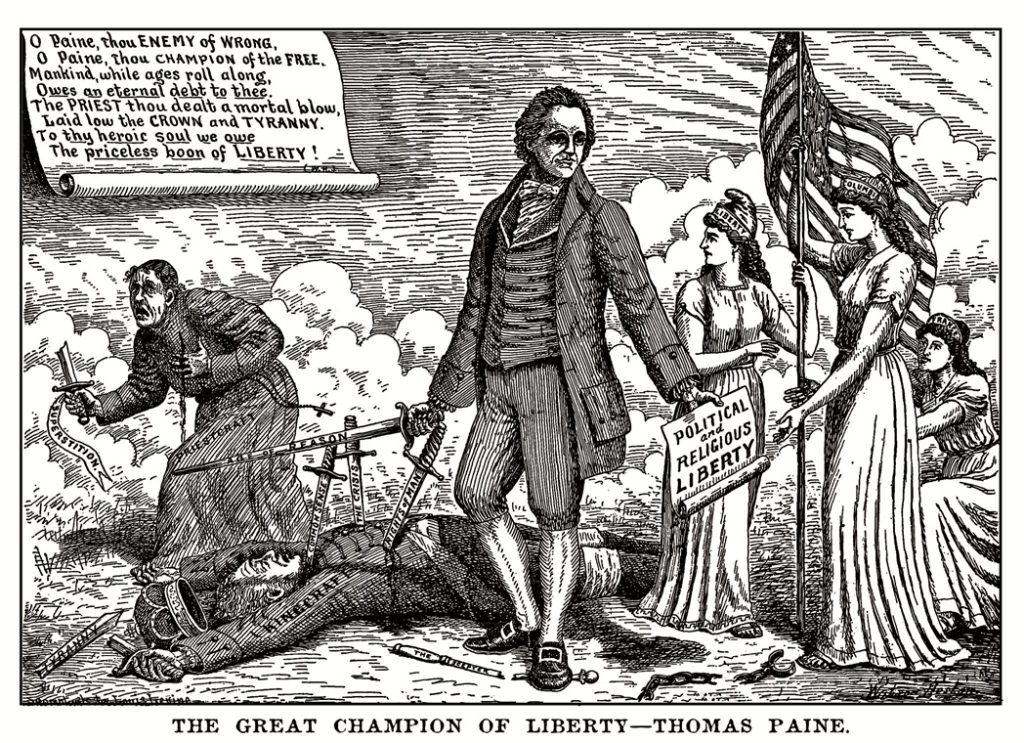
Thomas Paine’s first principles built the structure of democracy. The mechanisms central to Paine’s political theories are rooted in his ideology of first principles. The basic foundation of these principles is equality, and as a direct result, justice. If equality is practiced, then people share equal justice.
Thomas Paine: Founder of Modern Democracy: Part 2 Read Post »
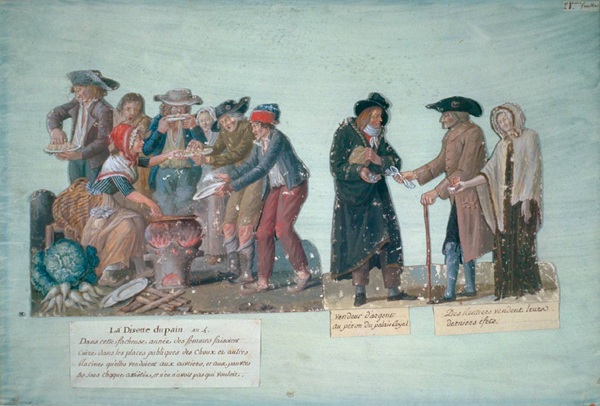
Paine—as an English revolutionary and an actor, witness, and interpreter of the Age of Revolutions—developed a democratic vision during the period of the Convention initiated on 9 Thermidor (1794-1795) that distanced him from both Jacobin formulations and practices, and from legislations and speeches by Thermidorian deputies.
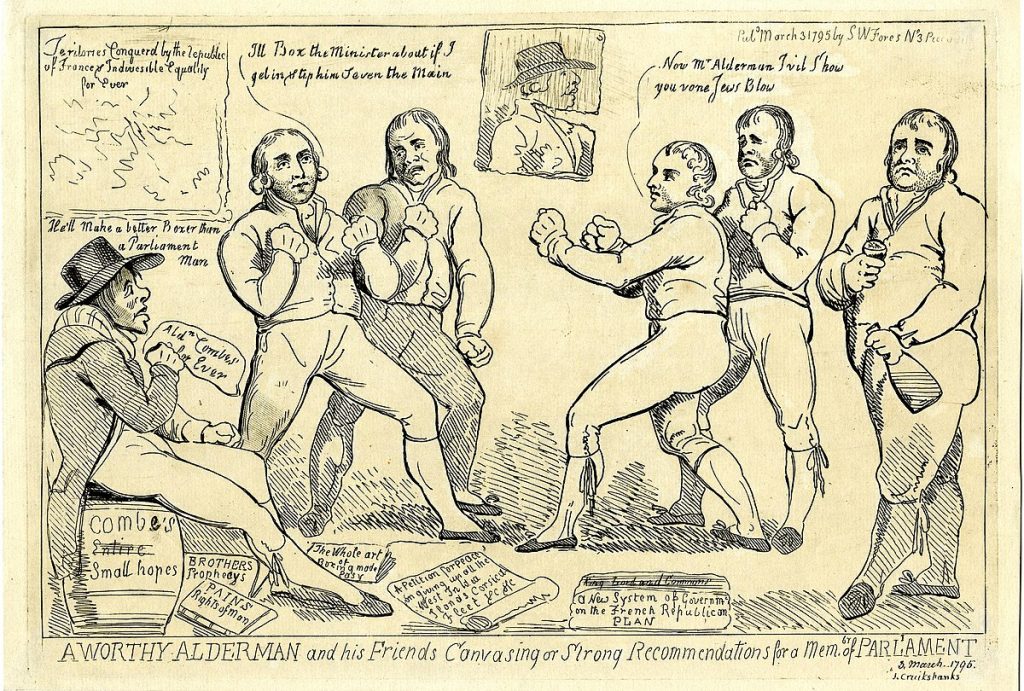
I believe it’s no accident that current social beliefs and trends uncannily reflect those in the 18th and 19th centuries. Many Americans still believe that assistance to the poor encourages sloth. Meanwhile, there is little interest in funding public K-12 education or in making higher education more affordable.
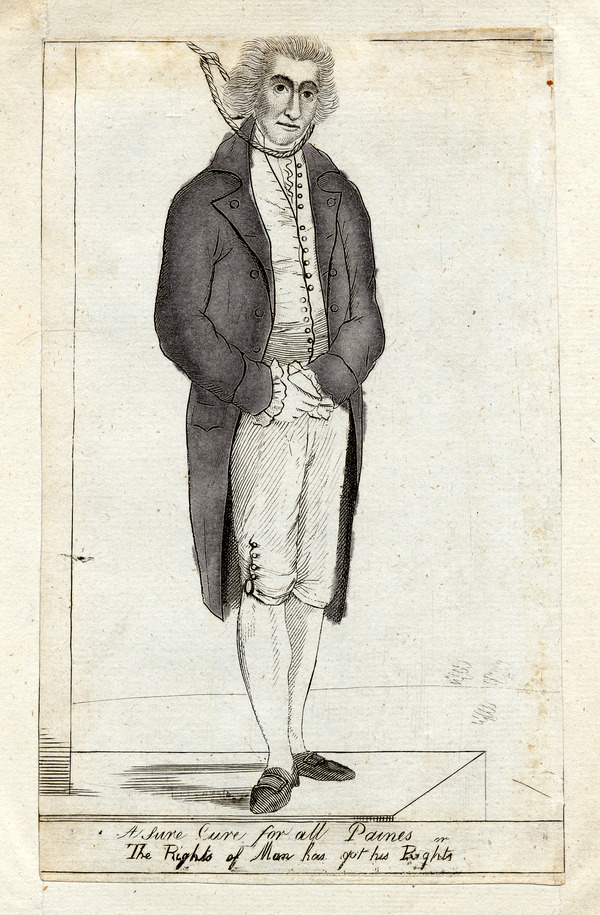
Lukin identified the 32 books most often banned worldwide. Two of those books, Rights of Man and The Age of Reason, were authored by Paine. As true from Common Sense forward, governments purporting to support democracy and free speech will resist the radical impact of Paine’s thoughts.
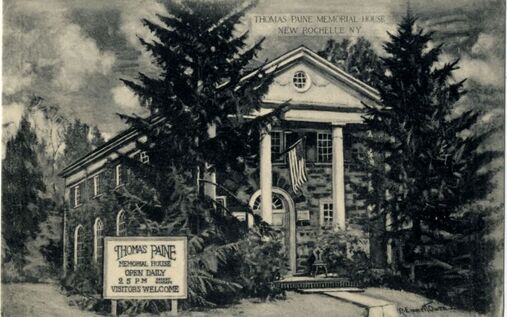
An incorrigible Europhile for much of my youth, I was not terribly interested in Thomas Paine. The fact that Ronald Reagan was an admirer of Paine didn’t help either. But then I realized that to understand William Blake’s revolutionary sentiment, I had to read Rights of Man

In honor of Banned Books Week , I decided earlier this month to revisit Thomas Paine’s Rights of Man. Originally published in England as two separate pamphlets (in March 1791 and February 1792), the 200-page book is still widely considered Paine’s most important and influential work. It is also, according to the American Library Association “one
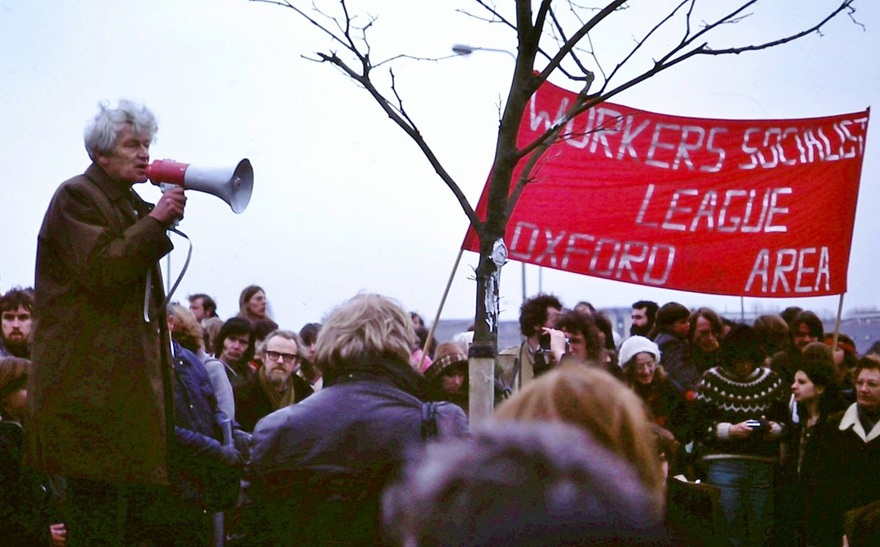
Thompson’s interpretation underlined Paine’s importance in what was labelled by historians as the ‘Atlantic-Democratic Revolution’. In the 1960s, my undergraduate days, this exercise in comparative history breaking through the constraints of nation state historiography was as fashionable as Thompson’s history from below.
Thomas Paine, the Rights of Man and the Rights of the Freeborn Englishman Read Post »
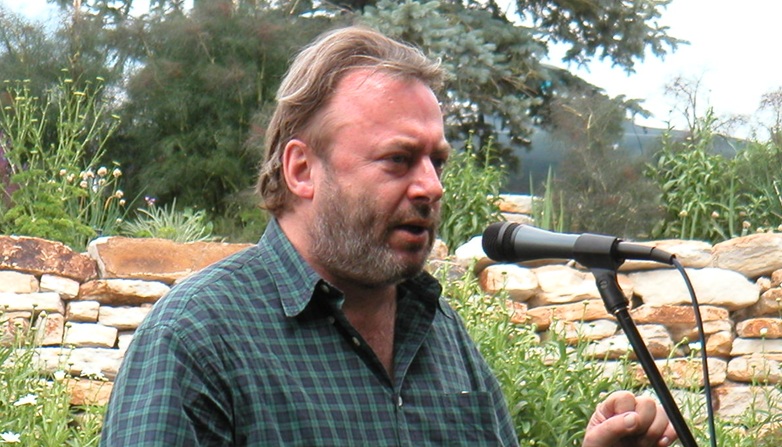
Hitches may be a polemical writer but, judging by this performance, is certainly not an effective public speaker, except that his inordinately long and ponderous replies to questions, a technique perfected by many politicians, makes it difficult to challenge his highly controversial views.
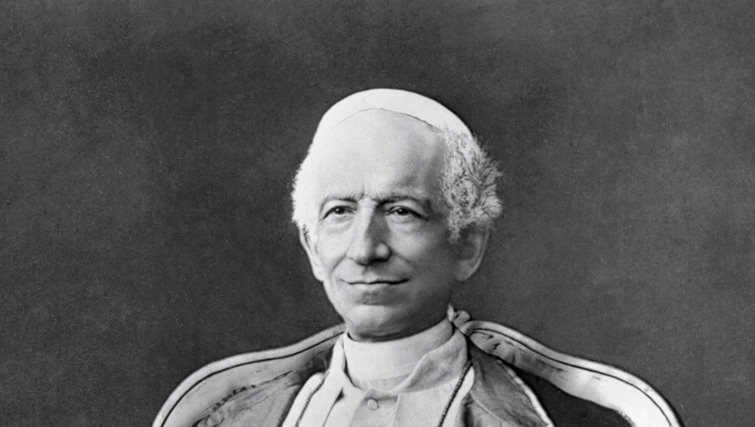
I have gone back to Rights of Man and compared it carefully with The Workers Charter. I would find it hard to believe that this new work, coming on the centenary of Paine’s, was merely coincidence and of no further significance.
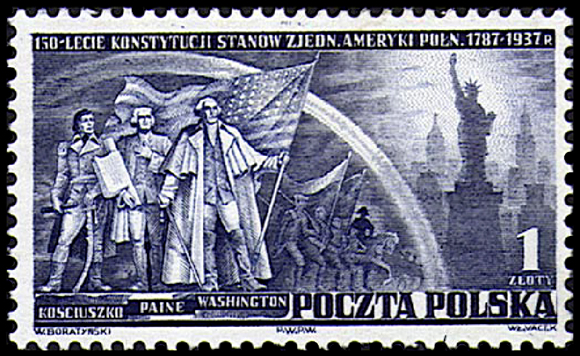
Paine does not refer directly to changes in Poland in Part Two of Rights of Man, but he does state that in contradiction to a hereditary monarchy ‘Poland, through an elective monarchy, has had fewer wars than those which are hereditary’,