Common Sense Was Not Enough
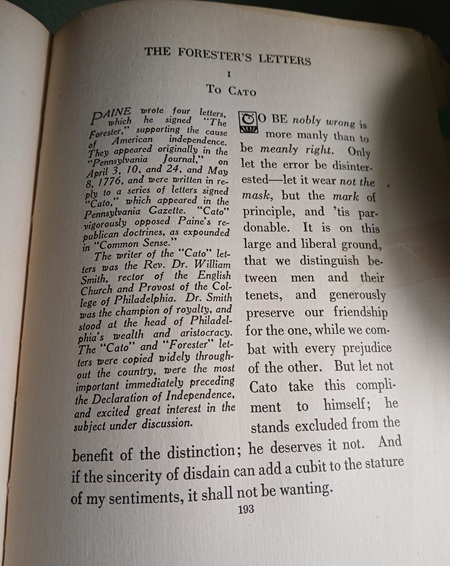
Common Sense moved many towards declaring independence from Britain. But the Pennsylvania Assembly was controlled by those advocating continued dependence on Britain.
The Good, The Bad, and The Ugly By Richard Briles Moriarty Many resources purport to provide biographical information about Thomas Paine. Some resources intentionally, at times maliciously, contain definitive statements that are contrary to available evidence or otherwise demonstrably untrue. Others do so unintentionally, often by relying on misstatements in prior resources that even cursory
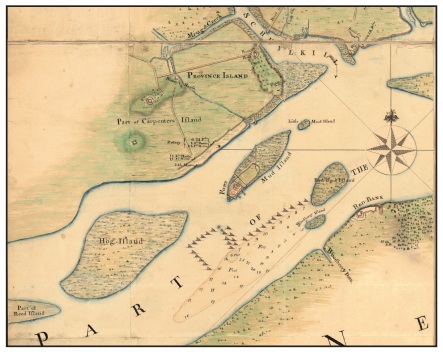
In a March 1775 letter to Franklin, Paine said he had “suffered dreadfully” during the voyage, “had very little hopes” he “would live to see America,” and that six weeks in the care of Dr. John Kearsley, Jr. resulted in full recovery.
Dr. John Kearsley, Jr.: Paine Arrives in America Stricken by Typhus Read Post »
Today’s British accent emerged in the 19th century. As the century progressed, Americans largely retained traditional ways of speaking English while England radically deviated from those linguistic roots. Spoken British English and American English diverged.
In Paine’s view, organized religions marketed unreliable hearsay piled on hearsay as “revelations” that are, by definition, based on faith rather than evidence. Carefully observing nature, he rejected nearly everything propounded by organized religions as antithetical to rational analysis, retaining from Biblical accounts only what was discernable through observation.
Lukin identified the 32 books most often banned worldwide. Two of those books, Rights of Man and The Age of Reason, were authored by Paine. As true from Common Sense forward, governments purporting to support democracy and free speech will resist the radical impact of Paine’s thoughts.