
By Gary Berton and Judah Freed
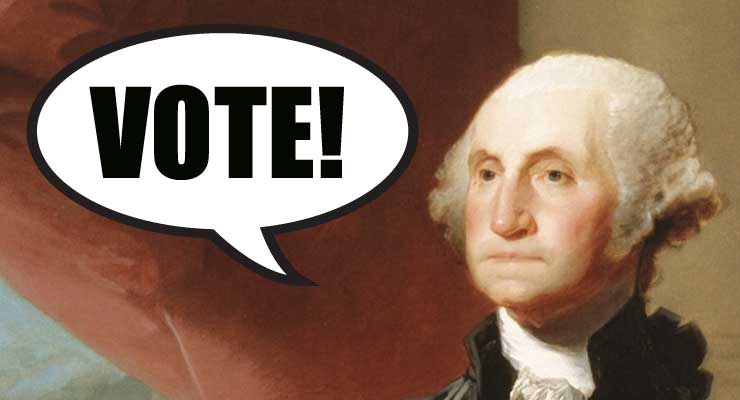
The Federalist Party, anointed by most historians as the founding party of the new United States, shaped the U.S. Constitution, adopted in 1787. Their conservative and nationalist ideas were voiced in 85 newspaper essays, collected in “The Federalist Papers,” to counter arguments against the plan from those who wanted more democracy in the new government.
America’s first official political party, Federalists dominated the government from 1789 to 1801. Founded by Alexander Hamilton, fronted by President John Adams, The Federalist Party favored plutocracy, a strong central government ruled by a few rich power brokers. Their 1798 Alien and Sedition Acts legalized deporting immigrants and stifling free speech.
Drawing on deep Tory sympathies in New England, the Federalists advocated London’s agenda in America. They blocked Paris interests after the French Revolution. British leaders called the Federalists the “English Party” and “Oligarch Party.” Adams was seen as a monarchist after proposing hereditary succession for the U.S. presidency.
The Federalist Party lost the 1800 election to the Democratic-Republican Party, led by Thomas Jefferson, who won votes by upholding states’ rights over Hamilton’s federal power, as with the central bank. Jefferson fought Hamilton’s autocratic claim of “implied powers” not granted in the Constitution. President Jefferson in 1802 invited Thomas Paine to return to America after his imprisonment in France by Robespierre, urged on by the American minister to France, Gouverneur Morris, a Federalist.
Writing letters to the nation from New Rochelle and then Greenwich Village, Paine waged war against the Federalist usurpation of the American Revolution. He championed the principles of democracy. Federalists were his enemy as much as the British lords. Here are some of Paine’s analyses.