
From Humble Servant to Friend
Like many other writers in 18th-century England, Thomas Paine used the familiar valediction “Your humble and obedientservant,” or some variation thereof.
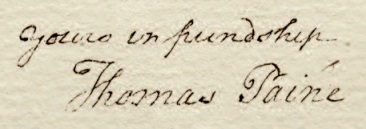
Like many other writers in 18th-century England, Thomas Paine used the familiar valediction “Your humble and obedientservant,” or some variation thereof.
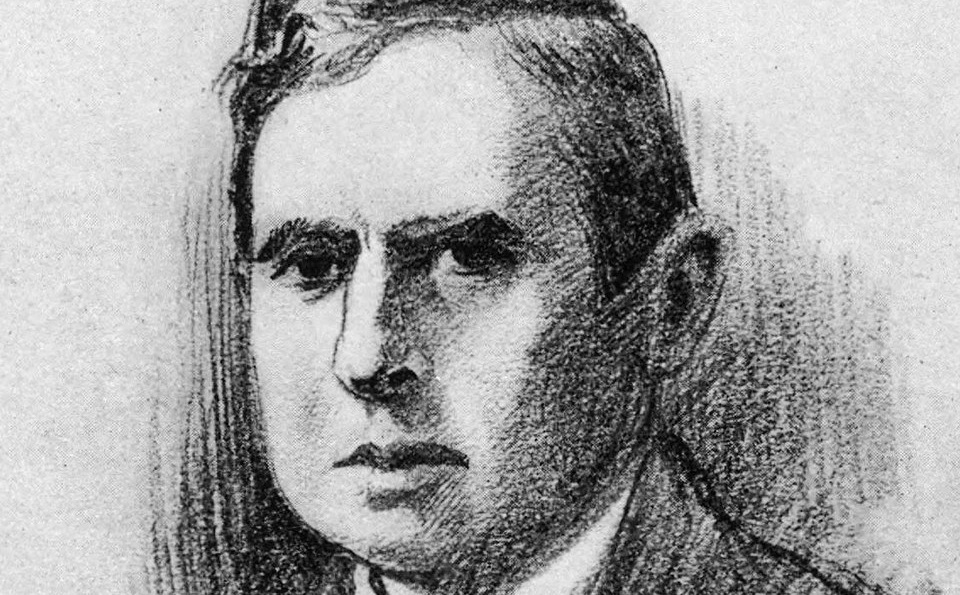
Dreiser, like Paine, viewed oligarchy as a serious threat to ordinary Americans, who were sacrificed to rich overlords by a complicit government. Dreiser, like Paine, urged populist action: “We want a government for all the people! No enormous wealth in private hands!”
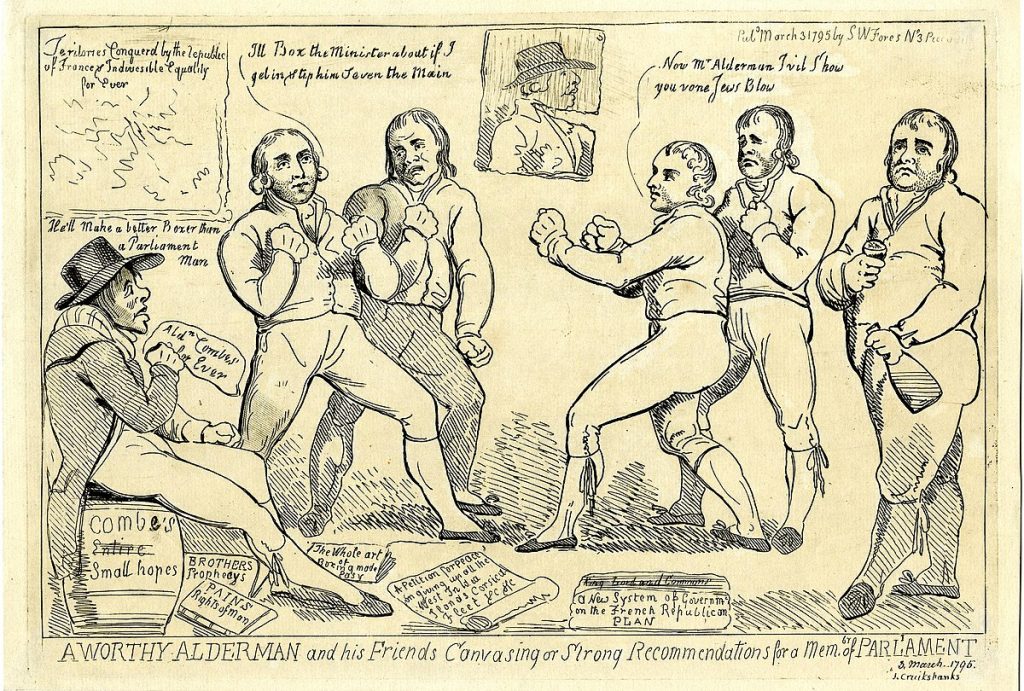
I believe it’s no accident that current social beliefs and trends uncannily reflect those in the 18th and 19th centuries. Many Americans still believe that assistance to the poor encourages sloth. Meanwhile, there is little interest in funding public K-12 education or in making higher education more affordable.

Even with the passing of 215 years, Paine is still a relatively unknown figure despite his bestselling pamphlet, Common Sense (1776) which urged Americans to declare independence, and his popular American Crisis papers (1776–1783).
Here’s to Tom Paine—the Forgotten Founding Father Read Post »
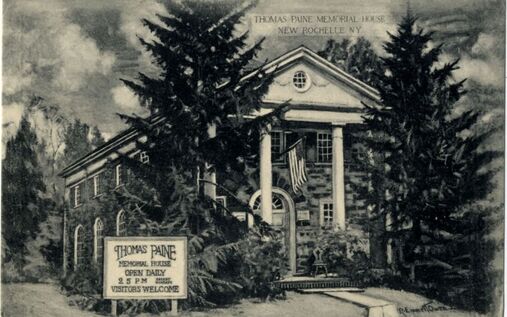
An incorrigible Europhile for much of my youth, I was not terribly interested in Thomas Paine. The fact that Ronald Reagan was an admirer of Paine didn’t help either. But then I realized that to understand William Blake’s revolutionary sentiment, I had to read Rights of Man