Studies in Thomas Paine

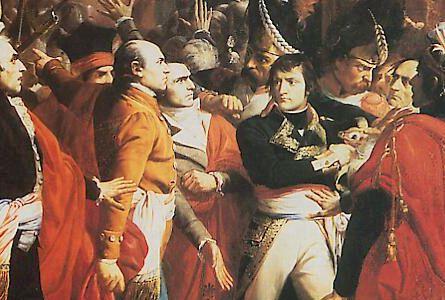
A detail of François Bouchot’s “General Bonaparte in the Council of the Five Hundred.” RMN-GP, Musée National du château de Versailles - link

The Bonnevilles: Thomas Paine’s “Family” Part One: 

Studies in Thomas Paine

Paine’s deep relationship with the Bonnevilles lasted for more than 15 years. This essay studies Paine’s time with the Bonnevilles in Paris during the six years he lived with them, from 1797 to 1802, as Napoleon Bonaparte began his ascent to power and U.S.-France relationships floundered.

, , , ,

The Bonnevilles: Thomas Paine’s “Family” Part One:  Read Post »
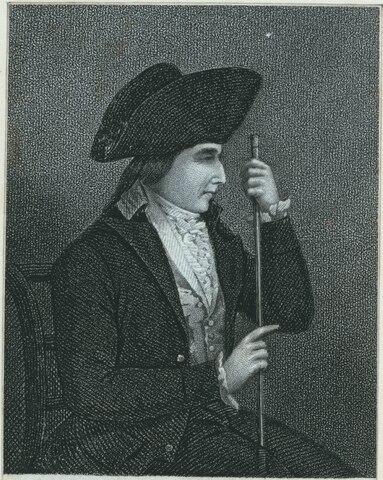
Elihu Palmer illustrated by Thomas Addis Emmet, 1880 - New York Public Library

Elihu Palmer: A Forgotten Voice of Deism

Studies in Thomas Paine

Elihu Palmer (1764 1806) was a little-known freethinker who, even after losing his vision, remained active in the intellectual debates of his time. Palmer emerged as one of the leading exponents of deism in the First American Republic. Drawing upon thinkers such as Locke, Hume, Rousseau, and Jefferson.

, ,

Elihu Palmer: A Forgotten Voice of Deism Read Post »

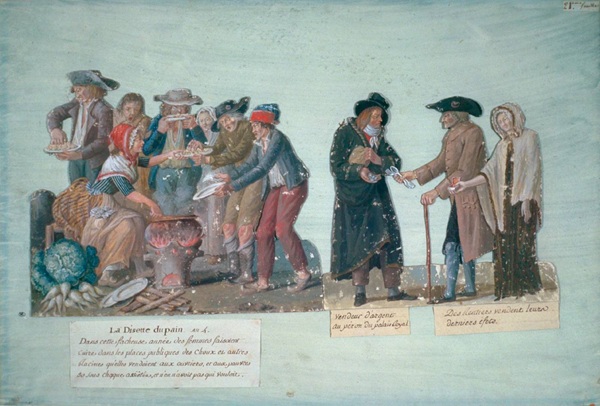
The Bread Famine and the Pawnbroker; The Lesueur Brothers (undated) - Meisterdrucke reproductions.

Thomas Paine and the French Revolution

Studies in Thomas Paine

Paine—as an English revolutionary and an actor, witness, and interpreter of the Age of Revolutions—developed a democratic vision during the period of the Convention initiated on 9 Thermidor (1794-1795) that distanced him from both Jacobin formulations and practices, and from legislations and speeches by Thermidorian deputies.

, , , ,

Thomas Paine and the French Revolution Read Post »

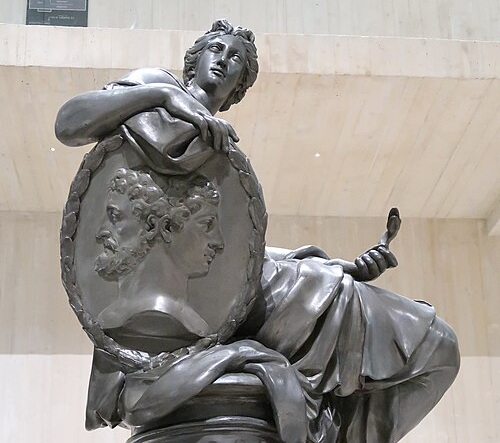
Providentia

The Mysteries of Paine’s Beliefs in Providence

Studies in Thomas Paine

In Paine’s view, organized religions marketed unreliable hearsay piled on hearsay as “revelations” that are, by definition, based on faith rather than evidence. Carefully observing nature, he rejected nearly everything propounded by organized religions as antithetical to rational analysis, retaining from Biblical accounts only what was discernable through observation.

, , , ,

The Mysteries of Paine’s Beliefs in Providence Read Post »

Scroll to Top