Methodists

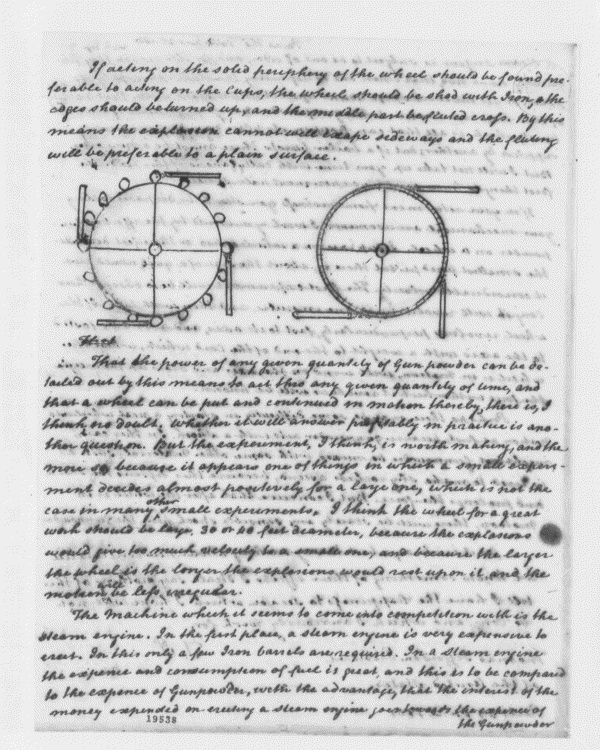
Paine's testing the explosive power of gunpowder harnessed to an engine designed to drive paddles on a boat. This 'internal combustion engine' was not a success.

Thomas Paine’s Interest In Matters Scientific

Thomas Paine Society UK, TPUK 1997 Number 3 Volume 3

Although Thomas Paine is best known for his role as a revolutionary, political and social reformer and biblical critic, like many of his circle of friends and acquaintances he had a passionate interest in science, or, as it was then termed, natural philosophy.

, ,

Thomas Paine’s Interest In Matters Scientific Read Post »

everywhere in chains

Thomas Paine: His Decision To Publish The Age Of Reason

Thomas Paine Society UK, TPUK 1996 Number 1 Volume 3

Thomas Paine was not by nature a revolutionary; he was a reformer. His early attitude towards both government and religion was benign, and when his early history is finally presented to the public it will at last become apparent that he was originally a conformist.

, , , , ,

Thomas Paine: His Decision To Publish The Age Of Reason Read Post »

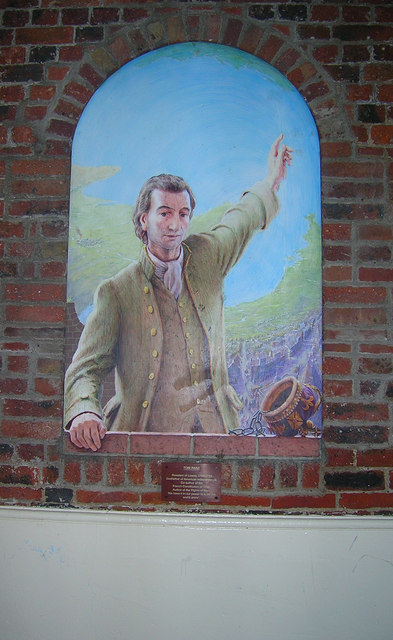
A 1994 mural of Thomas Paine painted in by Julian Bell that stands in the passage that runs through the old Market Tower from Market Lane to Market Street in Lewes, UK. Paine lived in Lewes between 1768 to 1774 – Photo by Simon Carey

The Author Of The “A Forester” Articles 

Thomas Paine Society UK, TPUK 1980 Number 4 Volume 6

Thus the weight of the evidence that we have at the moment suggests quite strongly, if not conclusively, that the “A Forester” articles of 1772-3, as well as those of 1787-9, were written by the Reverend Richard Michell, and that they were not written by Thomas Paine. 

, ,

The Author Of The “A Forester” Articles  Read Post »

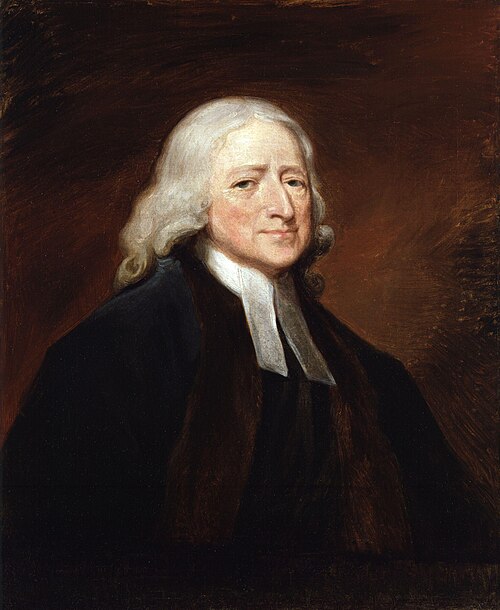
John Wesley (1703-1791) was an English cleric, theologian, and evangelist who was a principal leader of a revival movement known as Methodism - link

THOMAS PAINE: THE METHODIST INFLUENCE

Thomas Paine Society UK, TPUK 1979 Number 3 Volume 6

Paine admired the teachings of Jesus, and he went to great lengths to free them from smothering additions, which had been drawn from the mythology of ancient cults and grafted onto them by the churchmakers who usurped Jesus’s role of teacher.

, , , , ,

THOMAS PAINE: THE METHODIST INFLUENCE Read Post »

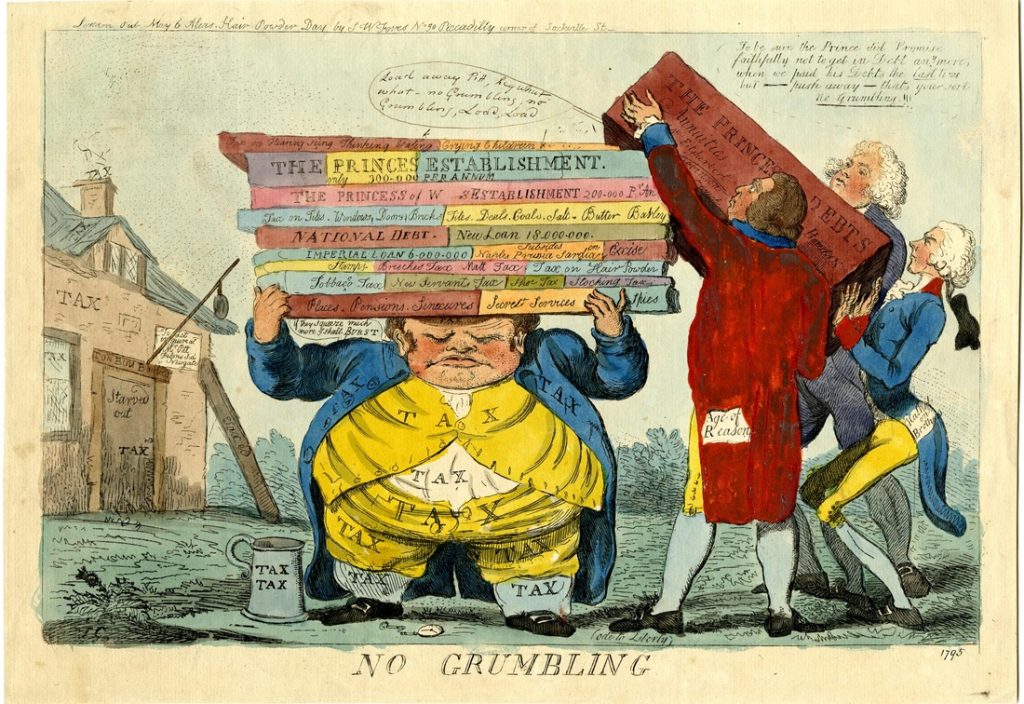
“No Grumbling” a 1795 political cartoon by Isaac Cruikshank shows John Bull (a British equivalent of Uncle Sam) under a heavy load of blocks. The king, in a red coat, helps add another block onto Bull’s head. From his pocket hangs a paper: ‘Age of Reason’ – © The Trustees of the British Museum

The 1790’s: Paine And The Age Of Reason 

Thomas Paine Society UK, TPUK 1975 Number 2 Volume 5

Paine’s Rights of Man was prosecuted for libel not so much because of its contents but because, rather than confining his audience to ‘the judicious reader’, he had addressed ‘the lowest orders of the people – people who…cannot from their education or situation in ‘life, be supposed to understand the. subject on which he writes.’

, , , , ,

The 1790’s: Paine And The Age Of Reason  Read Post »

“Reason against unreason” a 1882 illustration by Joseph Keppler and Adolph Schwarzmann shows the “Light of Reason”, containing bust portraits of “Johannes Kepler, I. Kant, Thomas Paine, Jefferson, B. de Spinoza, Franklin, Voltaire, E.H. Haeckel, Tyndall, Huxley, [and] Darwin”, beaming against a large umbrella labeled “Bigotry, Supernaturalism, [and] Fanaticism” – Library of Congress

The Relevance Of The “Age Of Reason” For Today

Thomas Paine Society UK, TPUK 1968 Number 2 Volume 3

Paine appealed to reason, his ultimate cause was a democratic system of society. His spirit stands in glaring contrast to that of the politico-religious dictators who lorded it over most nations when he wrote, and who have their counterparts today in dictators.

, ,

The Relevance Of The “Age Of Reason” For Today Read Post »

Scroll to Top