
From Humble Servant to Friend
Like many other writers in 18th-century England, Thomas Paine used the familiar valediction “Your humble and obedientservant,” or some variation thereof.
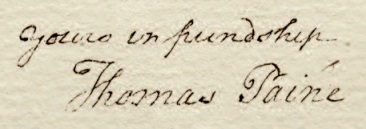
Like many other writers in 18th-century England, Thomas Paine used the familiar valediction “Your humble and obedientservant,” or some variation thereof.
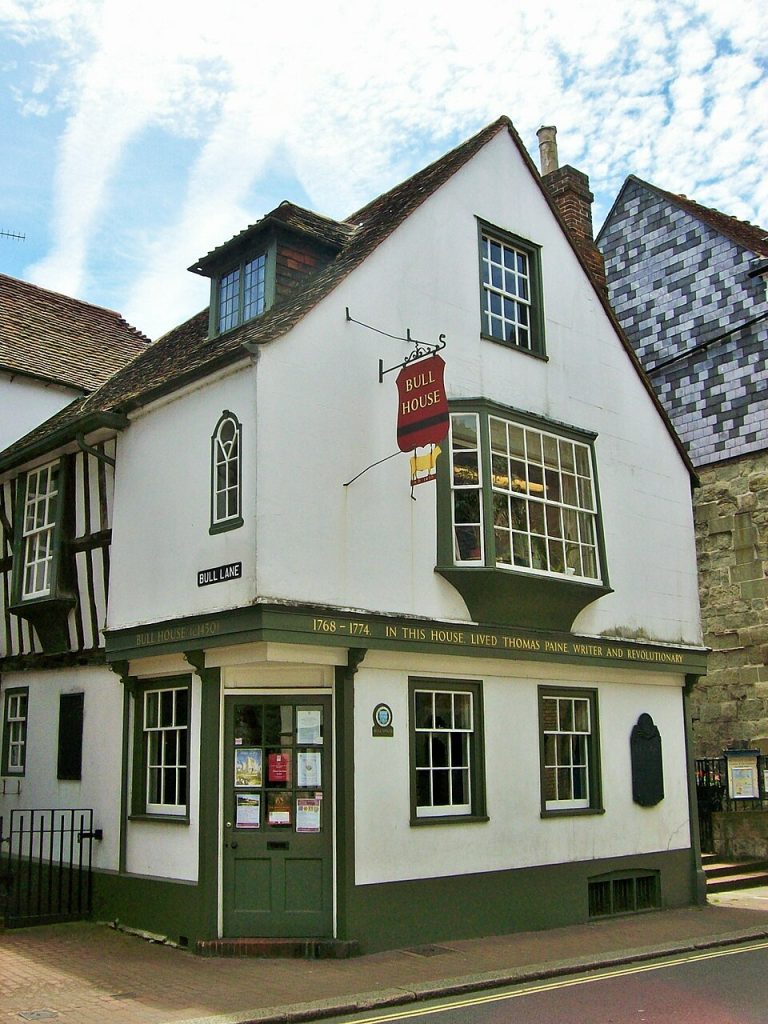
The enthusiasm and engagement of younger scholars in Lewes suggests that scholarship about Thomas Paine and exploration of the context and impact of his work will continue to yield new insights well into the future.
Thomas Paine at 250: Insights from a Conference in Lewes, England Read Post »
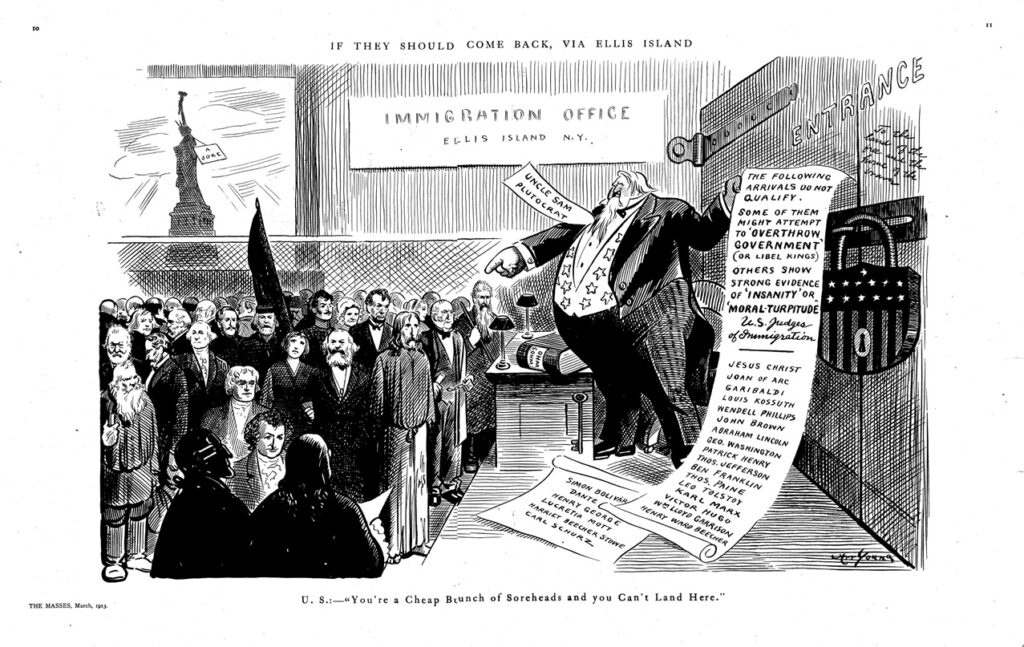
The TPHA Cartoon collection offers viewers a vivid journey of how Paine’s public image has morphed over the last 250 years. Although there were some positive portrayals of Paine early on, his many enemies, both in Britain and America, eventually took aim at him with vitriolic, often violent imagery, seeking to defame him and attack
Poison Pens: Turning the Corner from Damnation to Praise Read Post »

The Lewes Railway posters were hung in late December 2025, badged as a Thomas Paine Historical Association project with my having recently joined its Board.
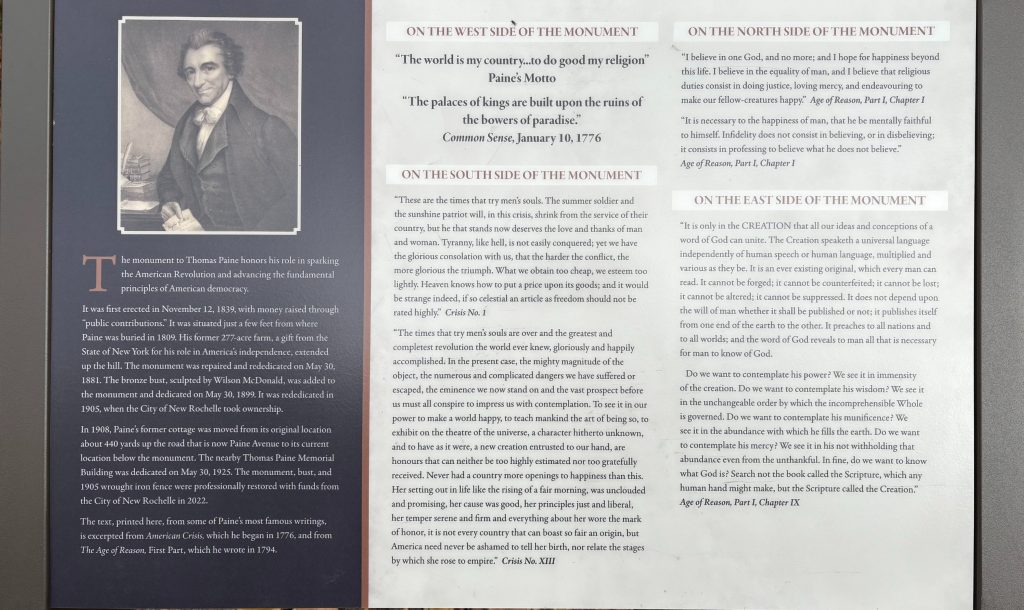
In celebration of the 250th anniversary, a historic marker was recently placed at the Paine Monument adjacent to the TPHA Headquarters on North Avenue in New Rochelle, NY.
A Sign for the Times: The Many Sides of the Paine Monument Read Post »
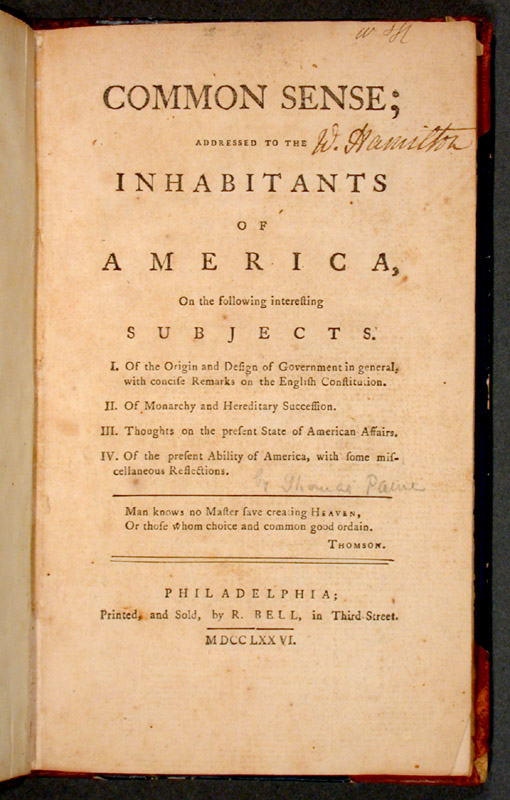
Common Sense, published in January 1776, is well known for its strong advocacy of independence from Britain. Less known, but of vital importance, is Paine’s insistence that it is essential to create republics in which the people as a whole—not any one person— are sovereign. Ridiculing the unwritten English “Constitution” that all American factions then
How Thomas Paine Made the Case for an Independent and Democratic America Read Post »
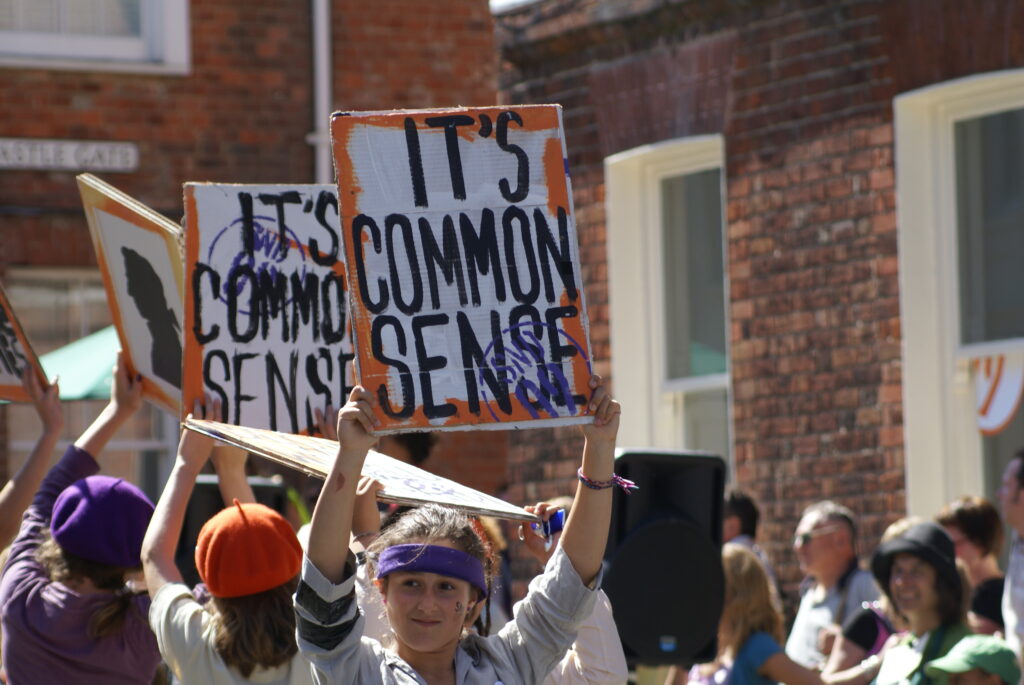
Following the language of Common Sense, 96 local and state Declarations ofIndependence were written, repeating the language of Common Sense, leading to the national declaration.
The Context of Common Sense: Analyzing Paine’s Words Read Post »
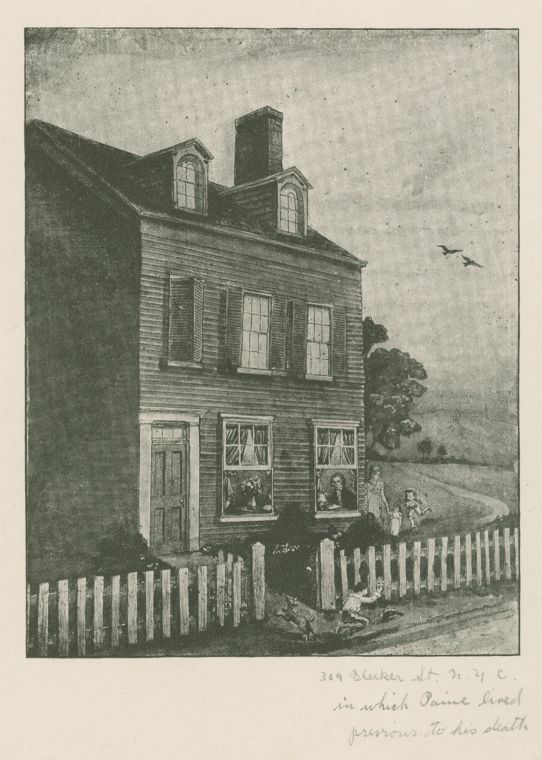
Thomas Paine made his way to 4 Rue du Théatre Français. With his knock on the door, life changed for Nicolas and Marguerite Bonneville and their very young children.
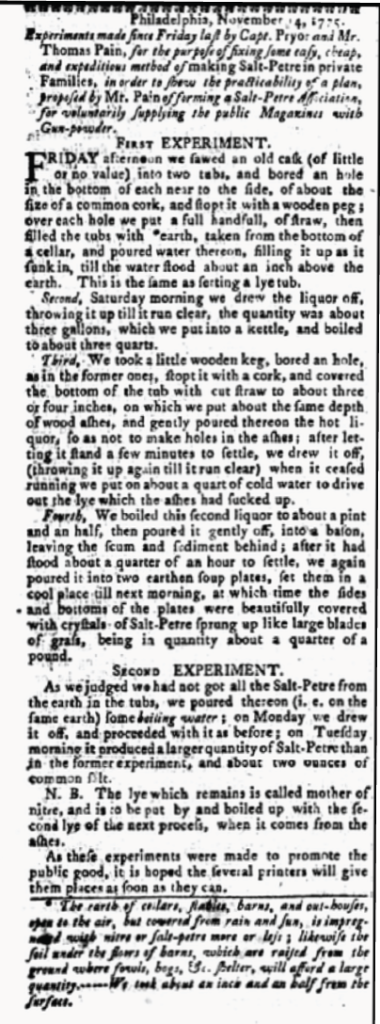
While Paine was speed writing Common Sense, he addressed a critical shortage of gunpowder that threatened to bring the American rebellion to a grinding halt.
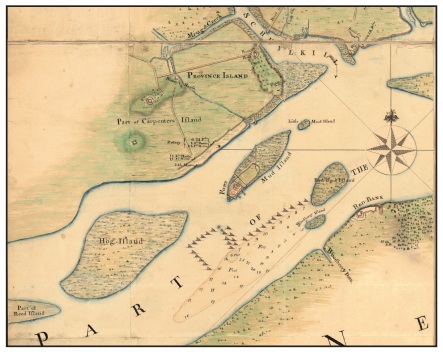
In a March 1775 letter to Franklin, Paine said he had “suffered dreadfully” during the voyage, “had very little hopes” he “would live to see America,” and that six weeks in the care of Dr. John Kearsley, Jr. resulted in full recovery.
Dr. John Kearsley, Jr.: Paine Arrives in America Stricken by Typhus Read Post »
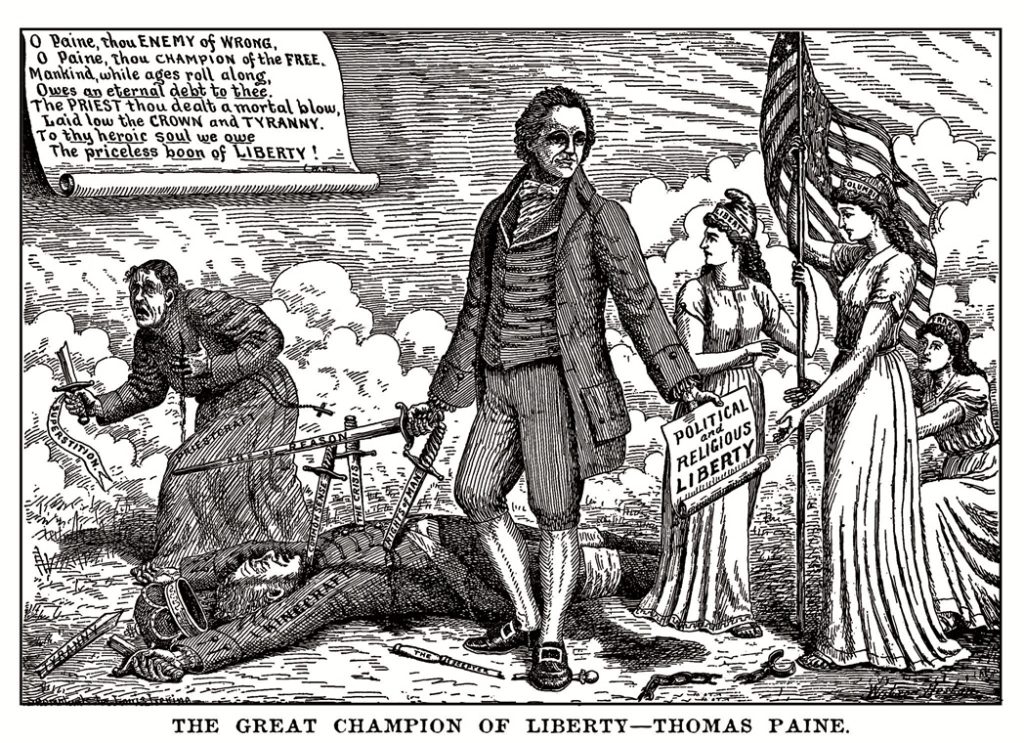
Thomas Paine’s first principles built the structure of democracy. The mechanisms central to Paine’s political theories are rooted in his ideology of first principles. The basic foundation of these principles is equality, and as a direct result, justice. If equality is practiced, then people share equal justice.
Thomas Paine: Founder of Modern Democracy: Part 2 Read Post »
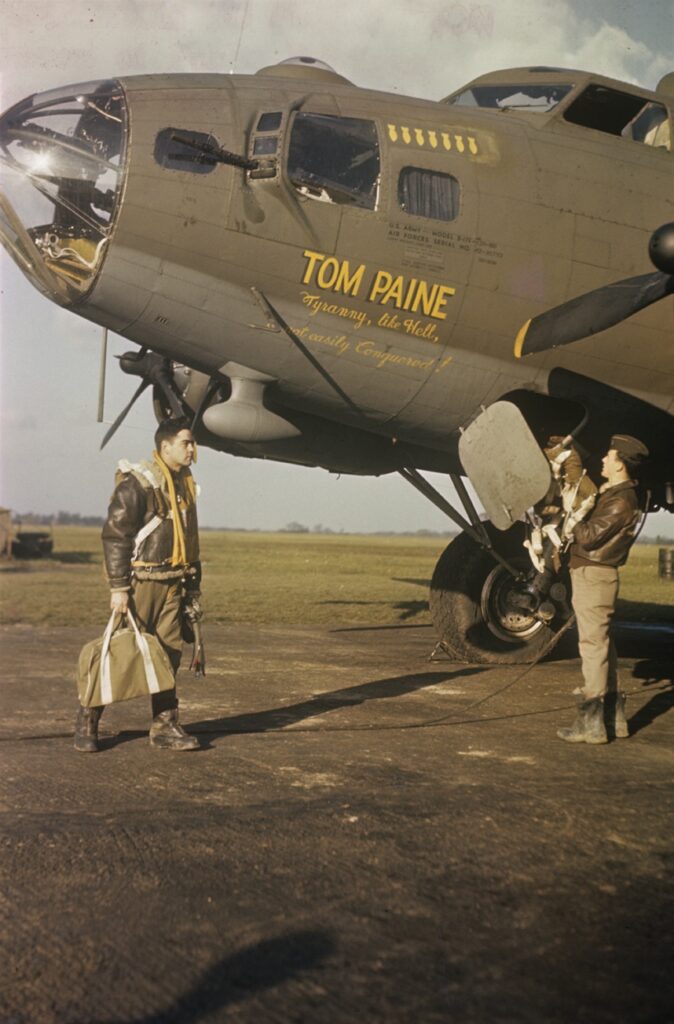
The majority of historians have gone along with ignoring or misrepresenting Paine in history, from 18th century UK Tories to 21st century American biographer J.C.D. Clark. The reality was that the Federalists took over, wrote a constitution enabling plutocracy, and repressed the truth of Paine. Only two Paine biographers (Linton and Vale) were even half