Benjamin Franklin

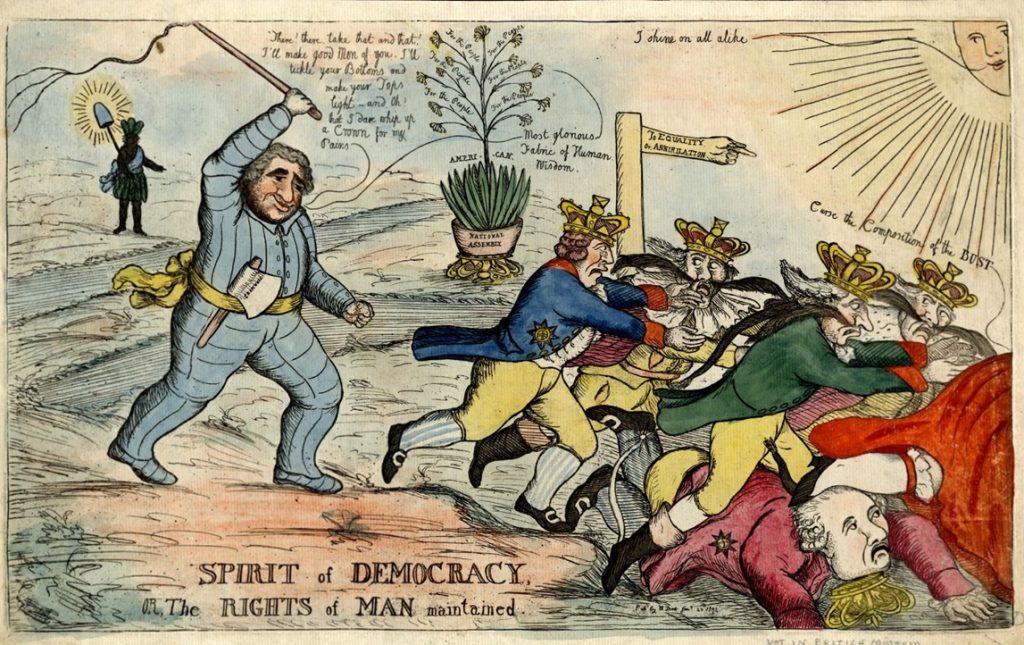
Spirit of Democracy

Thomas Paine and His Radical Contemporaries 

Thomas Paine Society UK, TPUK 1981 Number 1 Volume 7

Basically, like all the greatest writers on liberty, Paine was a humanitarian. Freedom, in Paine’s view, could not be dissociated from political morality, and he sounded a warning note which still carries a message.

, , , , ,

Thomas Paine and His Radical Contemporaries  Read Post »

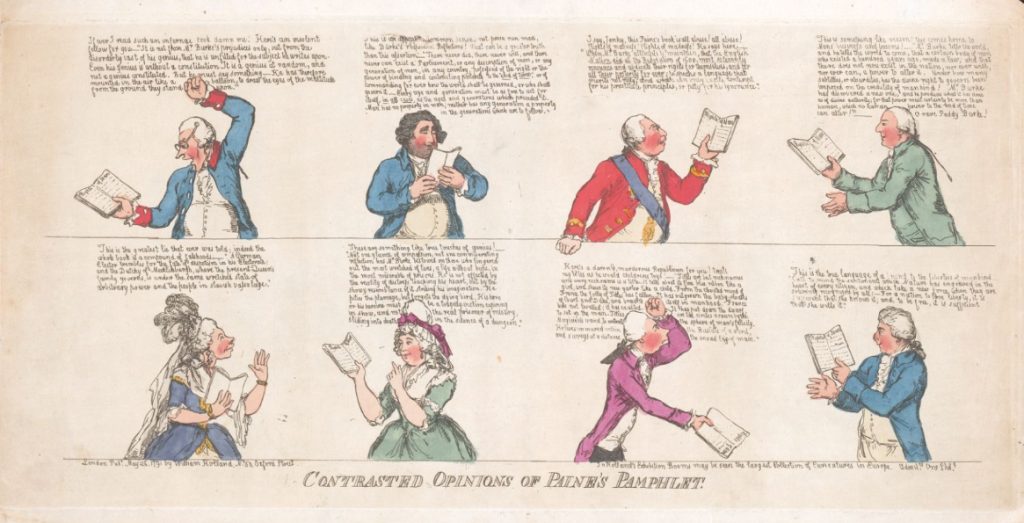
“Contrasted Opinions of Paine’s Pamphlet” is a 1791 intaglio by Frederick George Byron. Eight public figures are depicted reading excerpts from Rights of Man and reacting to them. Charles James Fox, Richard Brinsley Sheridan and Mary Wollstonecraft are the three supporters of Paine’s writings while the rest deplore them – American Philosophical Society

Thomas Paine’s Common Sense, an English Tradition of Radical and the Dissent: The Cato Letters  

Thomas Paine Society UK, TPUK 1981 Number 1 Volume 7

The traditional way of looking at Paine as an Enlightenment political propagandist or as a Newtonian Deist is not explicit enough to distinguish him from others. Nor do these descriptions of Paine enable one to explain why Paine appeals to such a variety of radical, liberal and even conservative causes.

, , ,

Thomas Paine’s Common Sense, an English Tradition of Radical and the Dissent: The Cato Letters   Read Post »

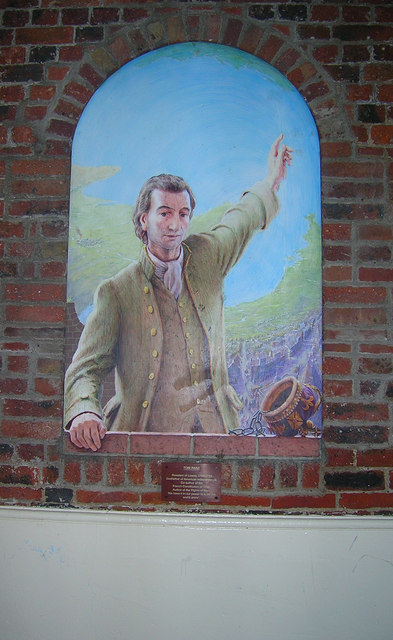
A 1994 mural of Thomas Paine painted in by Julian Bell that stands in the passage that runs through the old Market Tower from Market Lane to Market Street in Lewes, UK. Paine lived in Lewes between 1768 to 1774 – Photo by Simon Carey

The Author Of The “A Forester” Articles 

Thomas Paine Society UK, TPUK 1980 Number 4 Volume 6

Thus the weight of the evidence that we have at the moment suggests quite strongly, if not conclusively, that the “A Forester” articles of 1772-3, as well as those of 1787-9, were written by the Reverend Richard Michell, and that they were not written by Thomas Paine. 

, ,

The Author Of The “A Forester” Articles  Read Post »

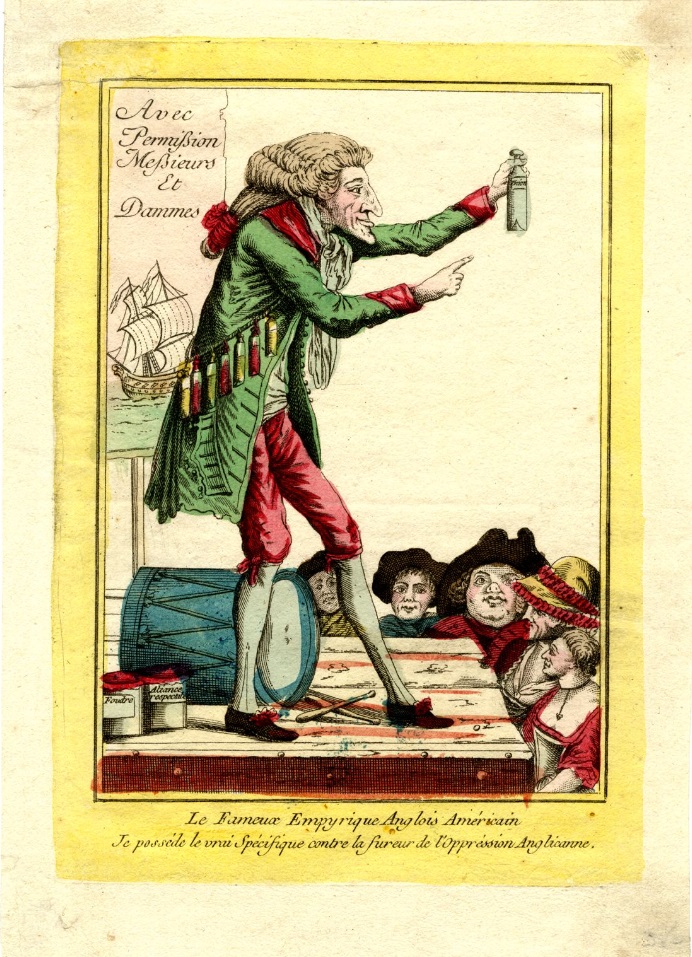
1780’s anonymous cartoon titled “Le Fameux Empyrique Anglois American” (The Famous English American Empiric/Quack) shows Paine, as medicine man, standing on a podium in front of an audience and promoting his bottle labeled “Union” to a crowd of on-lookers – American Philosophical Society

“The Natural Bent Of My Mind Was To Science” 

Thomas Paine Society UK, TPUK 1980 Number 4 Volume 6

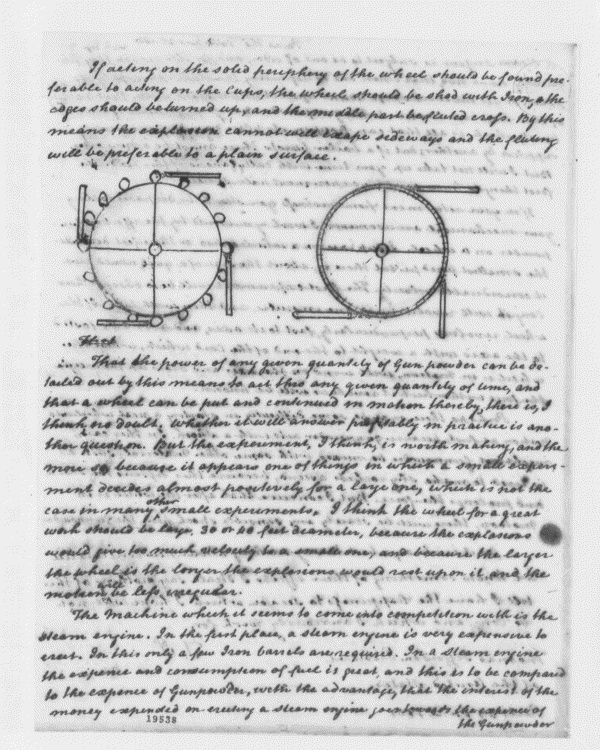
Paine’s fame as a writer on social, political and religious themes plus his controversial activities, has tended to obscure his passionate interest in scientific matters. Paine was perhaps the first person to recognise the critical implications of the growing stream of scientific discoveries.

,

“The Natural Bent Of My Mind Was To Science”  Read Post »

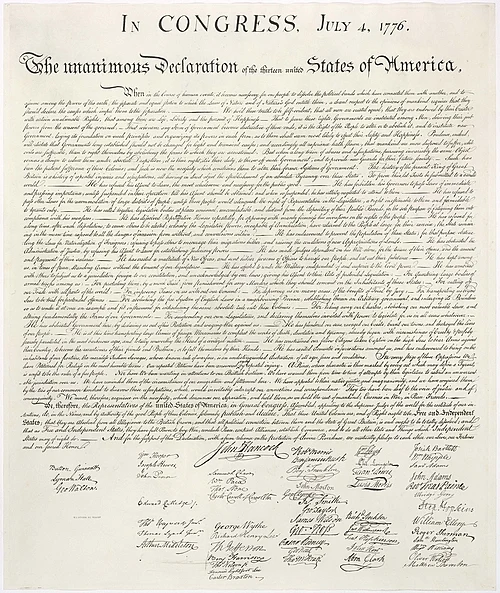
The United States Declaration of Independence - link

Was the Declaration of Independence Ghost-Written?

Thomas Paine Society UK, TPUK 1978 Number 2 Volume 6

With the evidence presented, it is not inconceivable that Paine, with remarkable perception and clearheaded purpose, wrote the original draft of the Declaration of Independence. In view of his denunciation of slavery, literary style and similarity of his essay to the deflated clause, the theory of his authorship is plausible.

, ,

Was the Declaration of Independence Ghost-Written? Read Post »

Scroll to Top