
Paine in Wartime: A Lifesaving Invention
While Paine was speed writing Common Sense, he addressed a critical shortage of gunpowder that threatened to bring the American rebellion to a grinding halt.
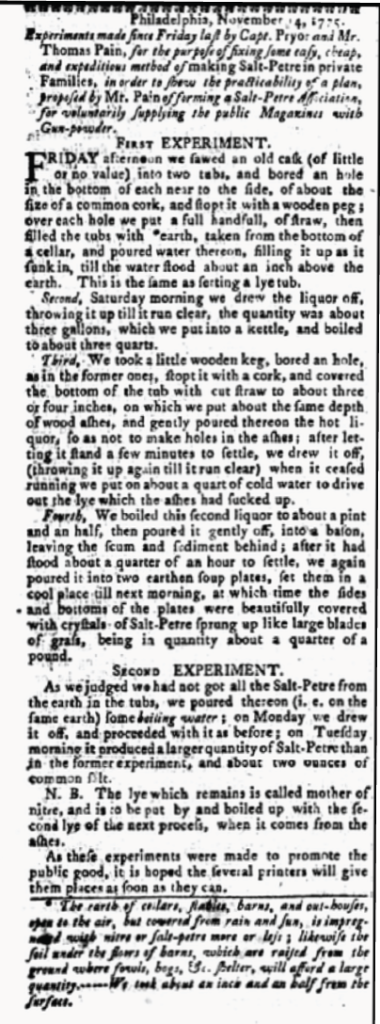
While Paine was speed writing Common Sense, he addressed a critical shortage of gunpowder that threatened to bring the American rebellion to a grinding halt.
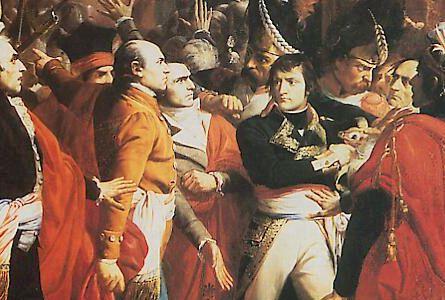
Paine’s deep relationship with the Bonnevilles lasted for more than 15 years. This essay studies Paine’s time with the Bonnevilles in Paris during the six years he lived with them, from 1797 to 1802, as Napoleon Bonaparte began his ascent to power and U.S.-France relationships floundered.
The Bonnevilles: Thomas Paine’s “Family” Part One: Read Post »
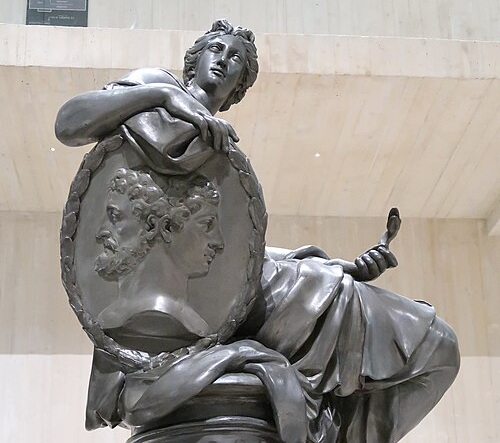
In Paine’s view, organized religions marketed unreliable hearsay piled on hearsay as “revelations” that are, by definition, based on faith rather than evidence. Carefully observing nature, he rejected nearly everything propounded by organized religions as antithetical to rational analysis, retaining from Biblical accounts only what was discernable through observation.
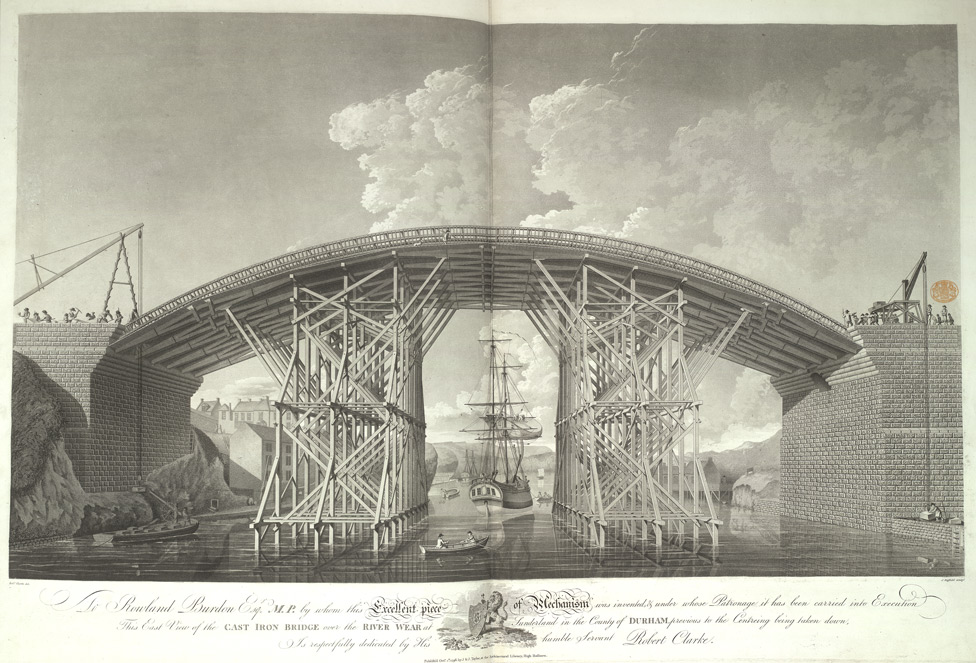
Paine believed in Enlightenment ideals about science. Fascinated by new technologies, Paine tried his hand at designing bridges. He’d change the world by connecting it together. As he wrote, “We have it in our power to begin the world over again.”
Thomas Paine’s Iron Bridge Design Spans the Start of the Industrial Revolution Read Post »
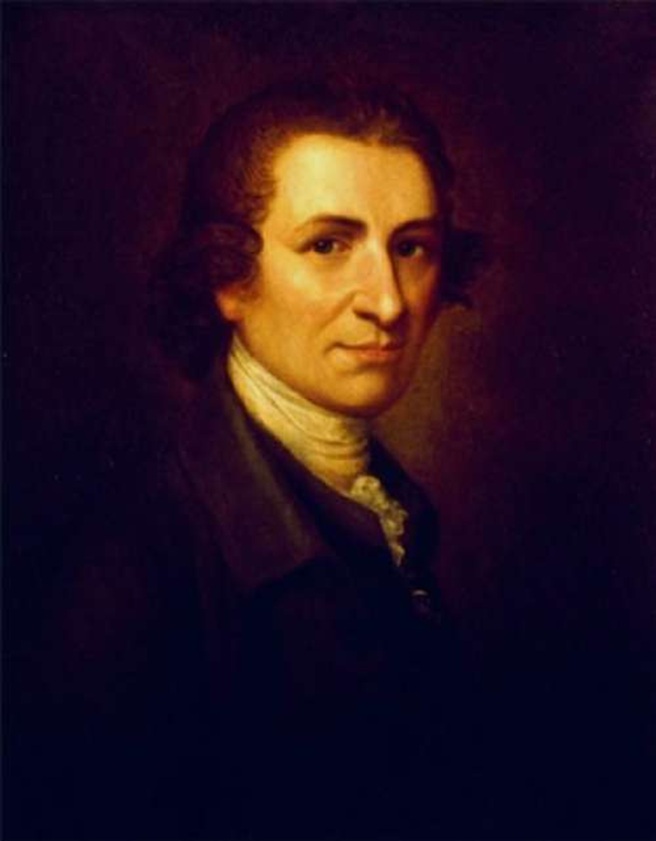
It’s tough to choose a favorite quote by Thomas Paine — American Founder, career revolutionary, and perennial skeptic. Pithy sayings and memorable phrases are Paine’s stock-in-trade, from “We have in it in our power to begin the world over again” to “These are the times that try men’s souls” and even “United States of America”

Paine was not wholly a geopolitical writer, not entirely a social philosopher, and not just an author of pamphlets, but that Paine should be credited with innovations and ingenious applications of wrought iron and cantilevered bridging techniques that are worthy of respect, and professional accreditation by constructors, engineers and architects.
Tom Paine, Architect – Engineer & His Iron Bridge Read Post »
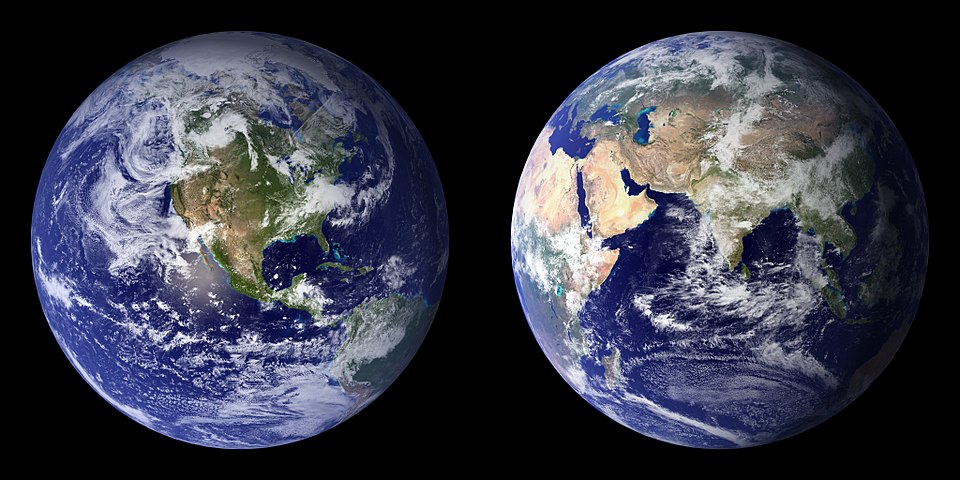
In the first part of The Age of Reason, written during the French Revolution and completed we are told only a matter of hours before his arrest, Paine devotes some pages to a general account of astronomy as an introduction to his ideas on Christian theology.
More than a change of “persons and measures”, the nascent United States embodied in one nation of free and independent states a change of principles and synthesis of ideas that marked out a position on which to freely apply the lever of reason. We see this in hindsight.
Thomas Paine’s bridge of diplomacy, both as a practical bridge and as a symbolic bridge between nations and political eras, centred on his proposal for a single span iron bridge braced by strong abutments cast from nature in the design of a spider’s web.
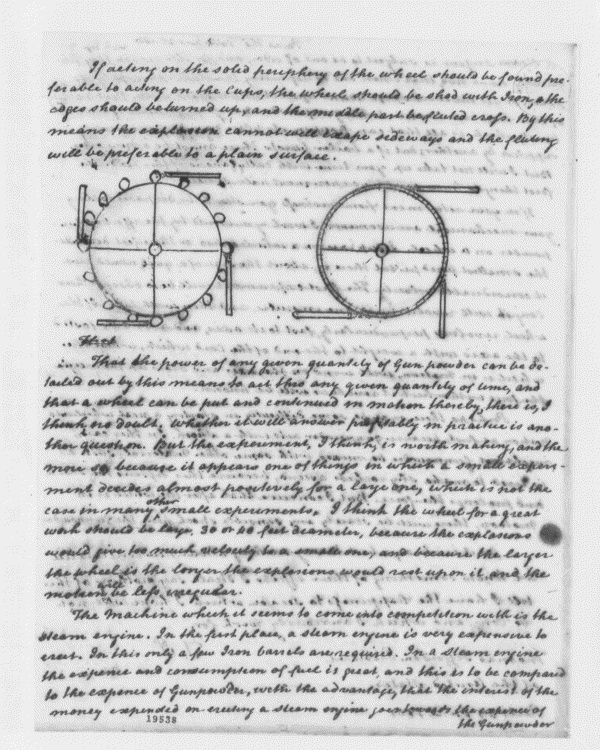
Although Thomas Paine is best known for his role as a revolutionary, political and social reformer and biblical critic, like many of his circle of friends and acquaintances he had a passionate interest in science, or, as it was then termed, natural philosophy.
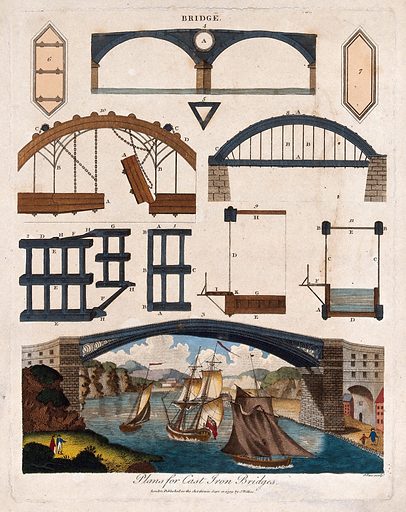
The failure to recognise the contribution of Burdon to the development of Sunderland and the North-East and the expansion of the application of iron, apart from the production of a beautiful bridge, is made worse in a way by the fact that Burdon’s sole excursions from his enforced retirement after 1803.
In point of elegance and beauty it far exceeded my expectations and is certainly beyond anything I ever saw. My model and myself had may visitors while I was at the works.
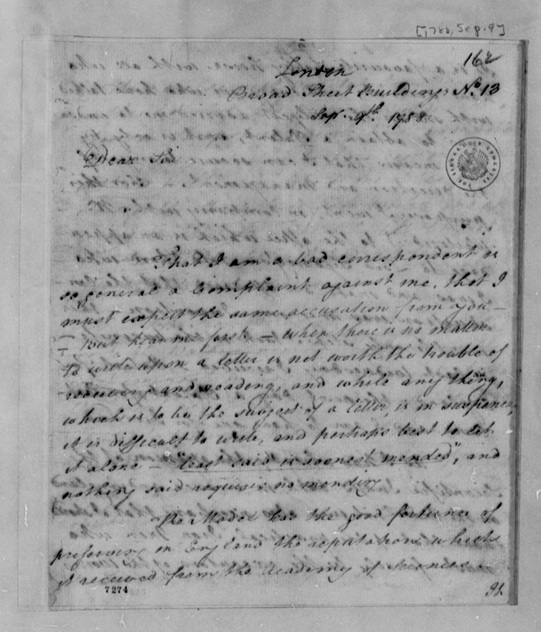
Some Of The Letters Paine Wrote To Jefferson During 1788–1789 Concerning The Iron Bridge Read Post »