
The Myth of Paine’s Pennilessness
Thomas Paine made his way to 4 Rue du Théatre Français. With his knock on the door, life changed for Nicolas and Marguerite Bonneville and their very young children.
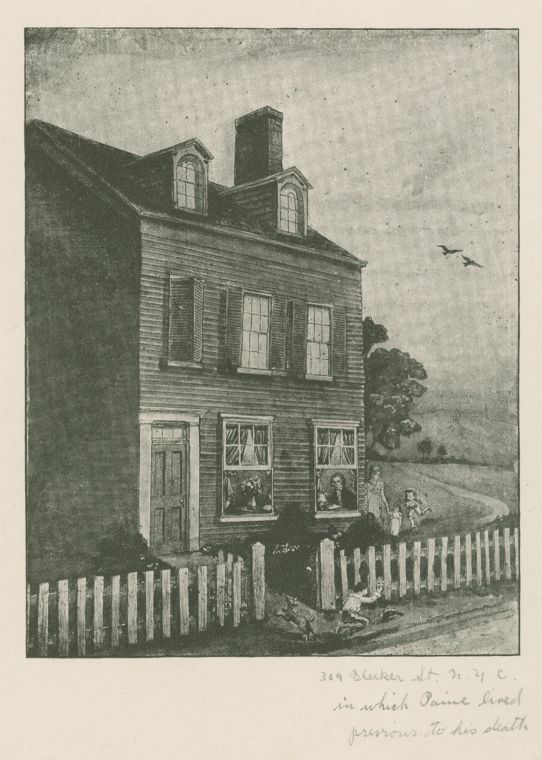
Thomas Paine made his way to 4 Rue du Théatre Français. With his knock on the door, life changed for Nicolas and Marguerite Bonneville and their very young children.
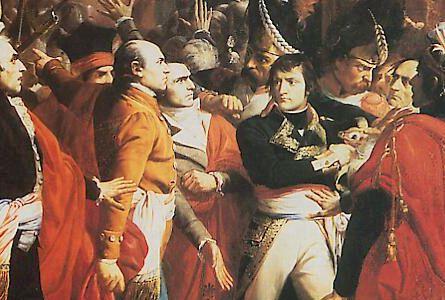
Paine’s deep relationship with the Bonnevilles lasted for more than 15 years. This essay studies Paine’s time with the Bonnevilles in Paris during the six years he lived with them, from 1797 to 1802, as Napoleon Bonaparte began his ascent to power and U.S.-France relationships floundered.
The Bonnevilles: Thomas Paine’s “Family” Part One: Read Post »
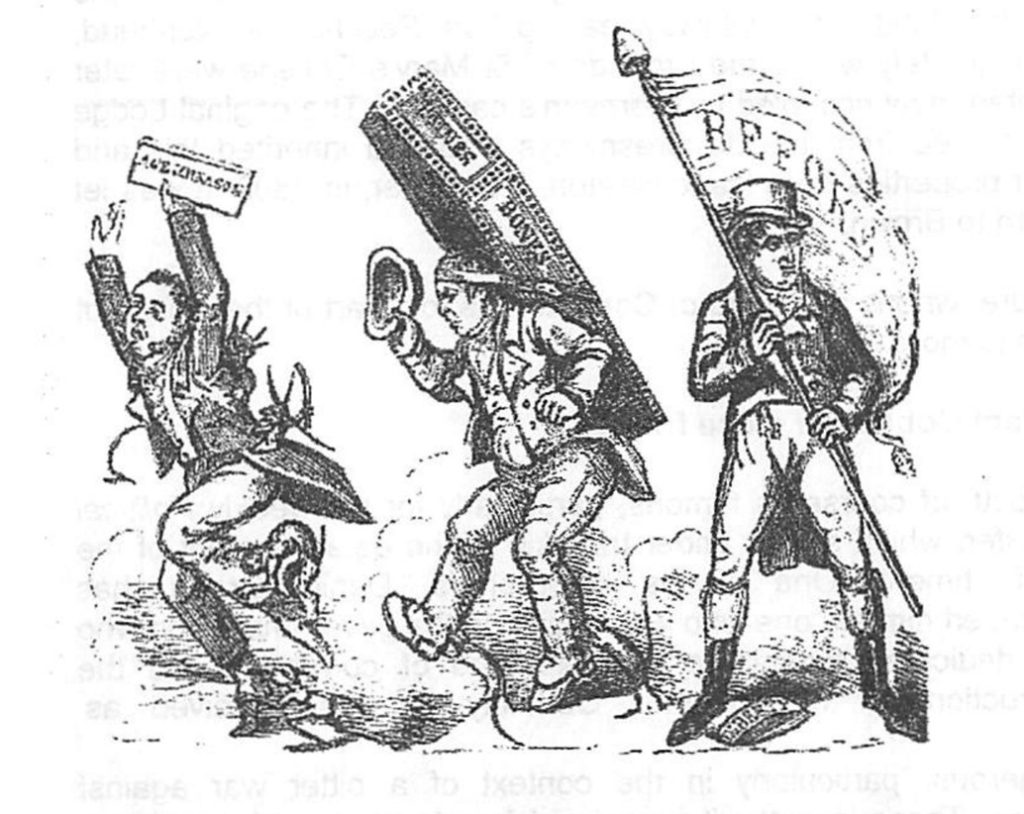
If we pass from personal relics to relics of personality, those of Paine are innumerable; and among these the most important are the legends and fictions told concerning him by enemies, unconscious that their romances were really tributes to his unique influence.
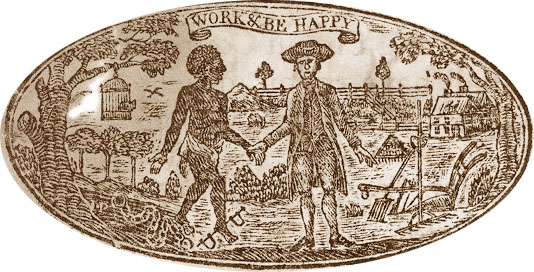
Thomas Paine’s strong antislavery stand was hardly appreciated and often unknown to those “in the trenches,” the 19th century abolitionists who were actually fighting the peculiar institution in antebellum America. Reasons for this ignorance can easily be found.
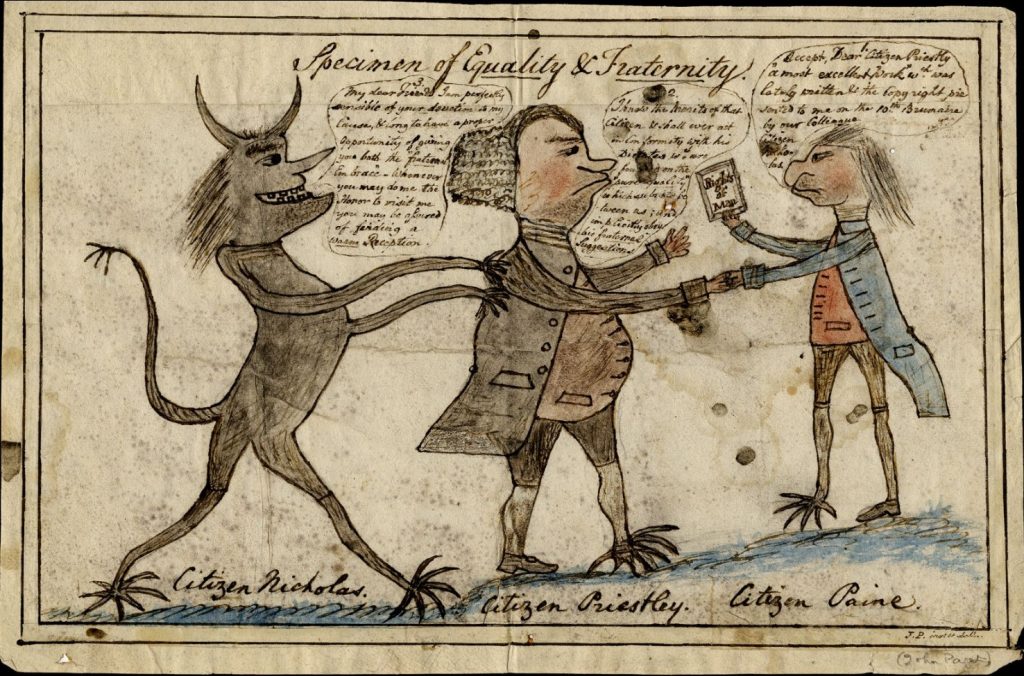
Even before Paine’s death, his life was being dissected by those around him on both sides of the Atlantic. The earliest “biographies” of Paine were highly critical, politically-motivated smear campaigns funded by political enemies in high places. Each writer set out to debunk Paine’s major works.
The Curious History of Thomas Paine’s Biographies Read Post »
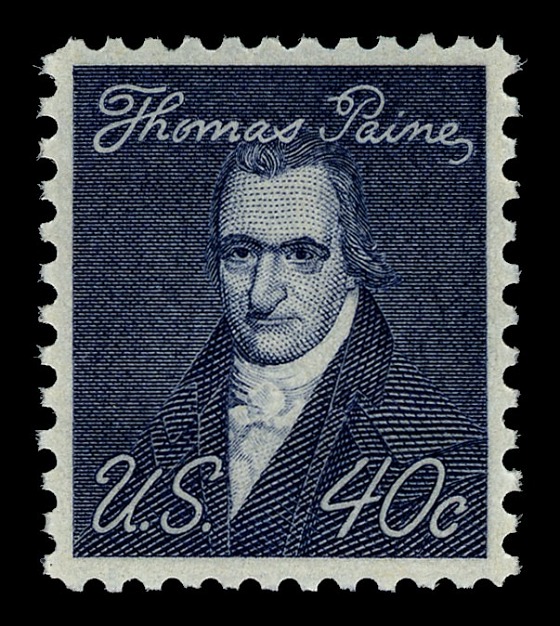
I joined the TPNHA because Paine still lives among us, on bookshelves, yes, but moreso here in The Beacon. There are still statues to be cast, a national monument to be built, national school curriculums to be written, and biographical movies to be made.

An article in the journal The Log of the Mystic Seaport in December, 1948 recounts an oral history of the Haley family there. It seems that Captain Nathan Haley, according to the oral history, was a friend of Thomas Paine.
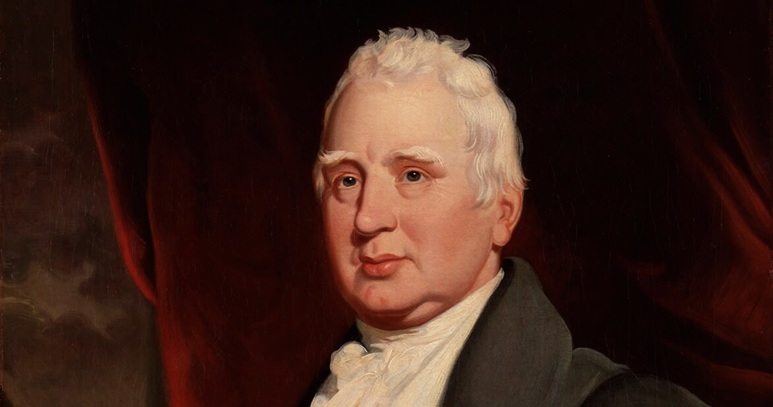
A recent article by Leo Bressler entitled ‘Peter Porcupine and the Bones of Thomas Paine’ gives pause to consider the nature of history; particularly the nature of good history. There is always a great deal to ponder and often a good deal of useful information and/or history.
Correspondence: Leo Bressler on ‘Peter Porcupine and the Bones of Thomas Paine’ Read Post »
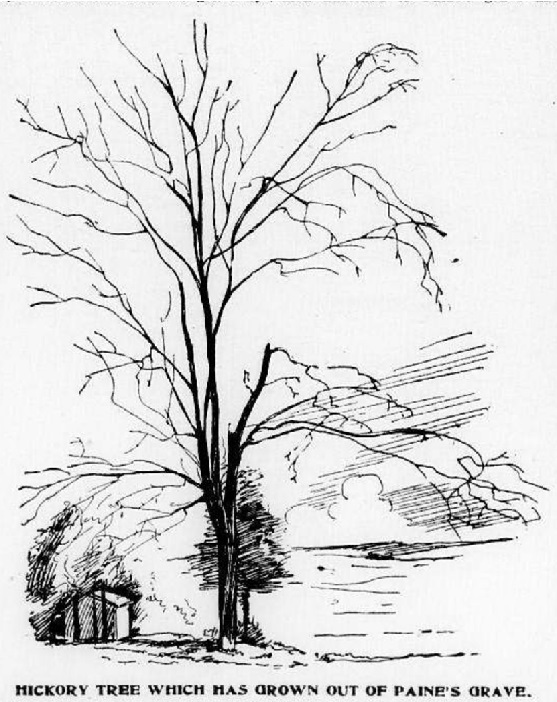
Thomas Paine did not die in poverty or without friends. I sincerely hope that my readers on both sides of the pond will correct this “historical” mistake, whenever they hear it, let us set the record straight for Thomas Paine and history.
The fame which these writings brought to Thomas Paine during the Revolution is known to every school boy. Not so well known are the pathos and tragedy of the closing years of his life. A national hero at the end of the war, Paine saw his reputation swept away.
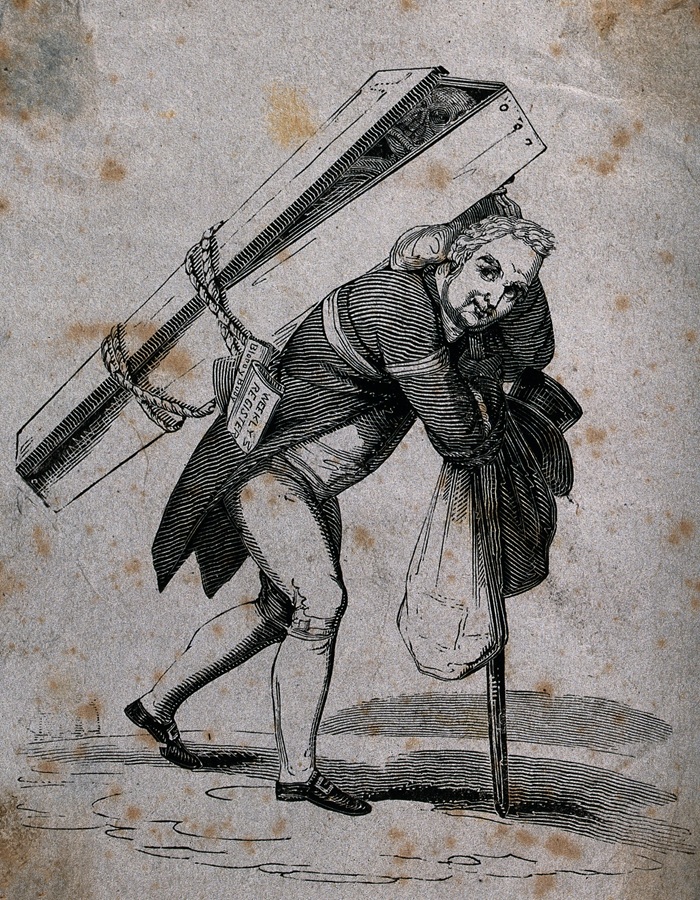
It was William Cobbett who dug up Paine’s bones in the dead of night in 1819 and brought them back to England with the intention of building a mausoleum in his honour. Appropriately the ship carrying his remains was the ‘Hercules’.
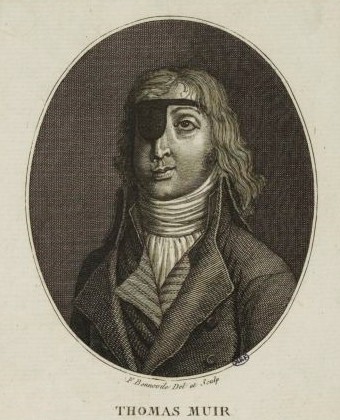
Thomas Muir was one of the seven Scottish martyrs sentenced to Botany Bay in 1793 for sedition. The charges included circulating Rights of Man. He met Thomas Paine in Paris.