
The Myth of Paine’s Pennilessness
Thomas Paine made his way to 4 Rue du Théatre Français. With his knock on the door, life changed for Nicolas and Marguerite Bonneville and their very young children.
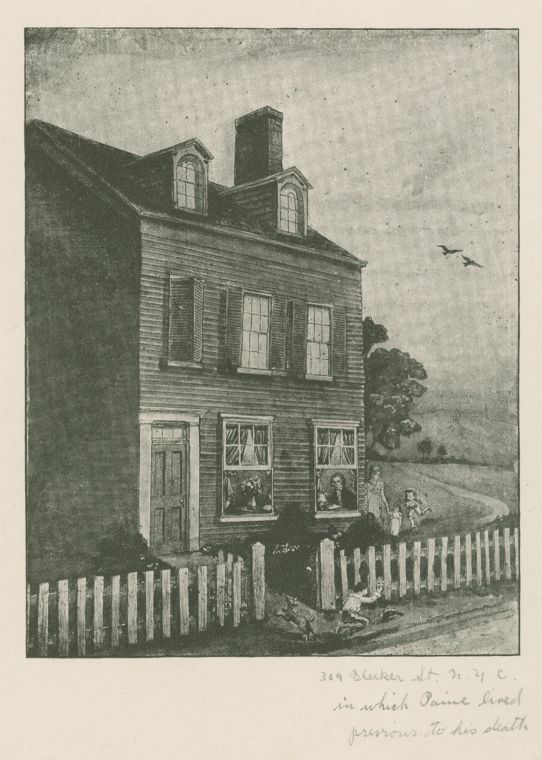
Thomas Paine made his way to 4 Rue du Théatre Français. With his knock on the door, life changed for Nicolas and Marguerite Bonneville and their very young children.
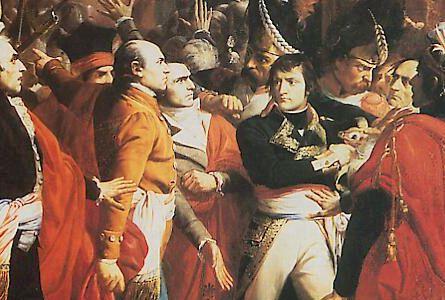
Paine’s deep relationship with the Bonnevilles lasted for more than 15 years. This essay studies Paine’s time with the Bonnevilles in Paris during the six years he lived with them, from 1797 to 1802, as Napoleon Bonaparte began his ascent to power and U.S.-France relationships floundered.
The Bonnevilles: Thomas Paine’s “Family” Part One: Read Post »
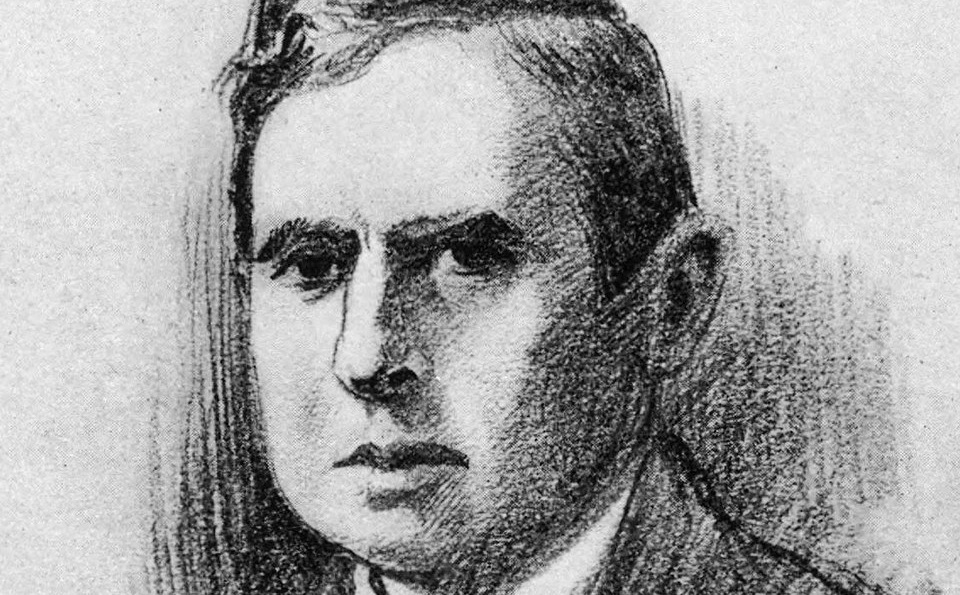
Dreiser, like Paine, viewed oligarchy as a serious threat to ordinary Americans, who were sacrificed to rich overlords by a complicit government. Dreiser, like Paine, urged populist action: “We want a government for all the people! No enormous wealth in private hands!”
![“Reason against unreason” a 1882 illustration by Joseph Keppler and Adolph Schwarzmann shows the “Light of Reason”, containing bust portraits of “Johannes Kepler, I. Kant, Thomas Paine, Jefferson, B. de Spinoza, Franklin, Voltaire, E.H. Haeckel, Tyndall, Huxley, [and] Darwin”, beaming against a large umbrella labeled “Bigotry, Supernaturalism, [and] Fanaticism” – Library of Congress](https://thomaspaine.org/wp-content/uploads/2025/12/Reason-against-unreason.jpg)
In a February 15 talk at the Paine Memorial Building in New Rochelle, Dr. Carvalho said, “By criticizing the adulterous connection between church and state… Paine had devastating effects on the governments using religion to maintain hierarchies and oppression.”
Brazilian Scholar Discusses Age of Reason and Democracy Read Post »
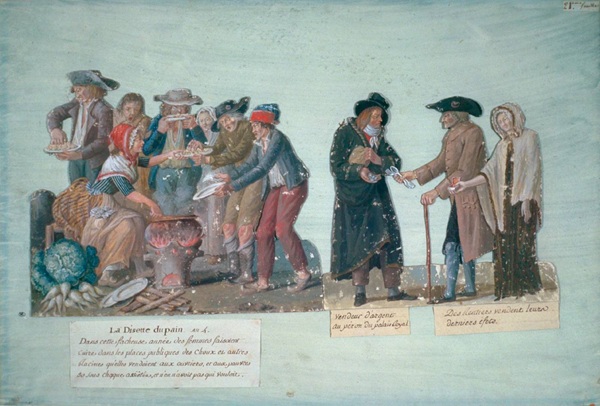
Paine—as an English revolutionary and an actor, witness, and interpreter of the Age of Revolutions—developed a democratic vision during the period of the Convention initiated on 9 Thermidor (1794-1795) that distanced him from both Jacobin formulations and practices, and from legislations and speeches by Thermidorian deputies.
Paine purposed to realize for every individual, as much as possible, the God-given natural rights and liberty of mankind. Such a goal for any nation, Paine believed, is best and most easily accomplished through the agency of a constitution that by its sequence of adoption and substantive content.
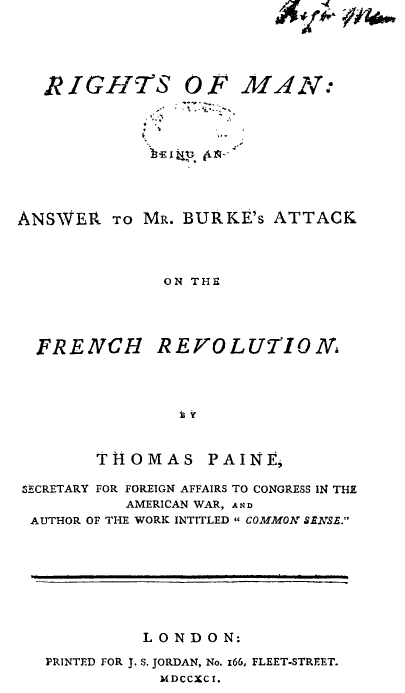
Lukin identified the 32 books most often banned worldwide. Two of those books, Rights of Man and The Age of Reason, were authored by Paine. As true from Common Sense forward, governments purporting to support democracy and free speech will resist the radical impact of Paine’s thoughts.
This fundamental contribution to Paine’s political thought, based on a Ph. D thesis at the Sorbonne, deserves to be translated into English so that it becomes available to all Anglophones interested in the subject.
BOOK REVIEW: La Pensee Politique de Thomas Paine en Contexte: Theorie at Pratique Read Post »
It is well known that Paine came close to losing the fight to establish democracy within the ruling circles in the American Colonies, because of the wish of John Adams, an American Federalist Congressman, who wanted to have a monarchy in the new United States of America. Paine would never have accepted this, because, to him, democracy was everything.
Thomas Paine was not by nature a revolutionary; he was a reformer. His early attitude towards both government and religion was benign, and when his early history is finally presented to the public it will at last become apparent that he was originally a conformist.
Thomas Paine: His Decision To Publish The Age Of Reason Read Post »
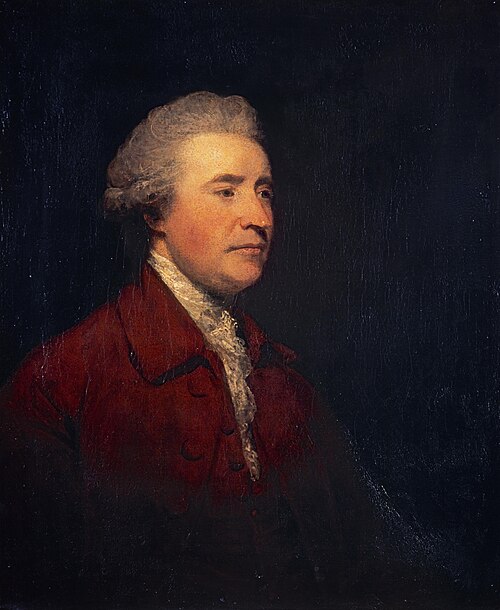
The author acknowledges Burke to have been a ‘great man’ but one who was ‘scarcely rational about human rights’, who resorts to sneering when he fails to have better of an argument. ‘This man’ concludes the author, ‘must have had a large mental block’.
BOOK REVIEW: Debate Aborted. Burke, Priestley, Paine And The Revolution In France Read Post »
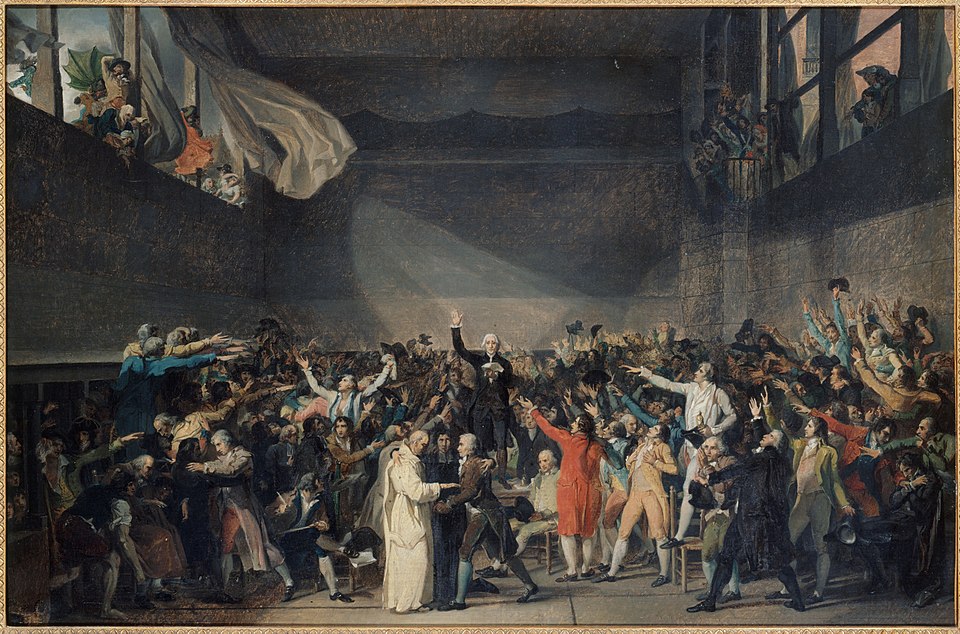
Paine had been a member of the National Convention; and it is pleasant to know, as an Englishman, that on the trial of Louis XVI, he voted for the King’s being pardoned. He was imprisoned during the time of terror, and narrowly escaped with his life.