Author name: Gary Berton

Gary Berton is President of the Thomas Paine Historical Association and an editor of the new six-volume "Thomas Paine: Collected Writings", a groundbreaking collection of Paine’s writings including almost 400 newly discovered and previously unknown works that will revolutionize Paine studies. The project will be published in 2026 by Princeton University Press.

“Contrasted Opinions of Paine’s Pamphlet” is a 1791 intaglio by Frederick George Byron. Eight public figures are depicted reading excerpts from Rights of Man and reacting to them. Charles James Fox, Richard Brinsley Sheridan and Mary Wollstonecraft are the three supporters of Paine’s writings while the rest deplore them – American Philosophical Society

Thomas Paine: Founder of Modern Democracy: Part 2 

Beacon, Beacon September 2025

Thomas Paine’s first principles built the structure of democracy. The mechanisms central to Paine’s political theories are rooted in his ideology of first principles. The basic foundation of these principles is equality, and as a direct result, justice. If equality is practiced, then people share equal justice. 

, ,

Thomas Paine: Founder of Modern Democracy: Part 2  Read Post »

Thomas Paine on the Federalists and Oligarchy

Beacon, Beacon May 2025

The Federalist Party, anointed by most historians as the founding party of the new United States, shaped the Constitution, adopted in 1787. Their conservative and nationalist ideas were voiced in 85 newspaper essays, collected in “The Federalist Papers,” to counter arguments against the plan from those who wanted more democracy.

, ,

Thomas Paine on the Federalists and Oligarchy Read Post »

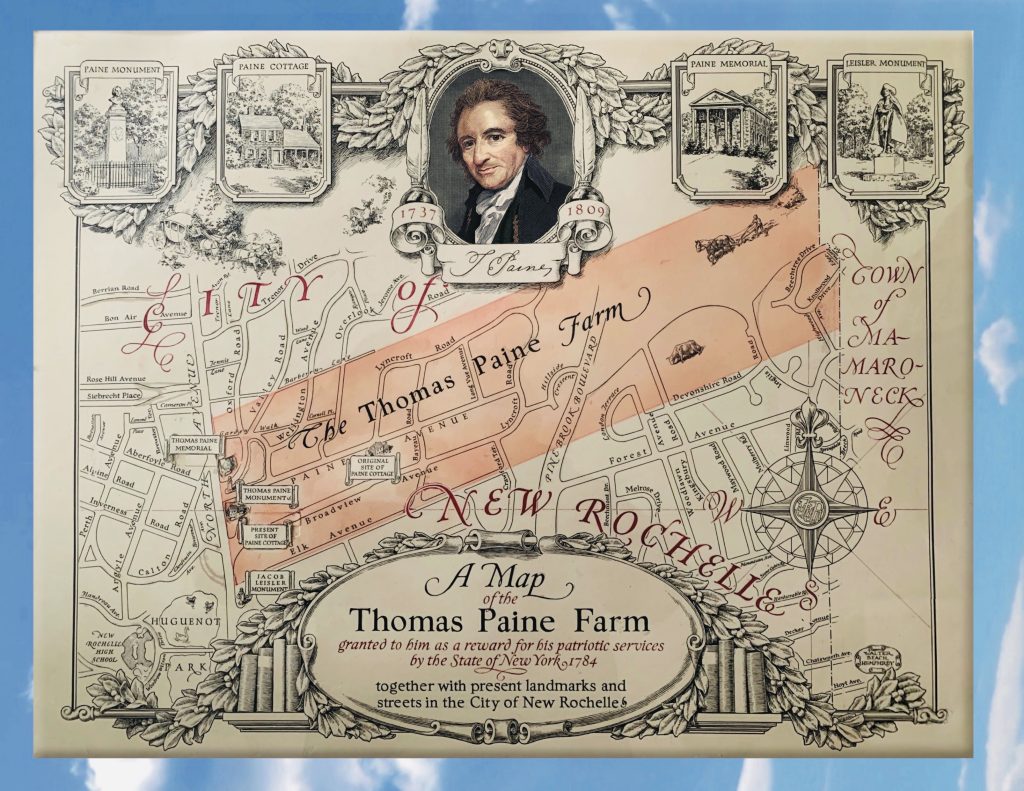
A map of the farm granted to Thomas Paine in 1794. The New York State Legislature awarded Paine 320 acres in New Rochelle for his service in the Revolutionary War after confiscating the land from a British loyalist. The map was created by New Rochelle native Walter Beach Humphrey

The Comstock Act and 1900s Leadership of the Thomas Paine National Historical Association

Beacon, Beacon January 2025

When most founding members of the Thomas Paine National Historical Association no longer served on the TPNHA board, others joined the association and took active leadership roles. They reflected the founding philosophy and ideas that prevailed at the turn of the century. 

,

The Comstock Act and 1900s Leadership of the Thomas Paine National Historical Association Read Post »

Thomas Paine Memorial Building sketch by Robert Emmett - American Philosophical Society

The Comstock Act and the Founders of the Thomas Paine National Historical Association

Beacon, Beacon November 2024

Responding to assaults on civil liberties under the 1873 Comstock Act, freethinkers played central roles in the social reform movement opposing abuses of the rich and powerful in the Gilded Age. They were guided by Thomas Paine and Enlightenment Age ideals of democracy, equality and natural rights. 

,

The Comstock Act and the Founders of the Thomas Paine National Historical Association Read Post »

The Comstock Act of 1873 and the Founding of the Thomas Paine National Historical Association

Beacon, Beacon September 2024

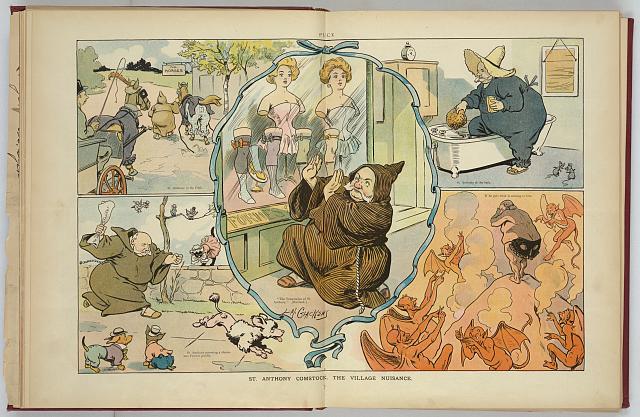
Starting in 1872 and completed in 1873, the Comstock Act brought the weapon of religion against these groups. It was named for Anthony Comstock, a zealous Christian anti-“vice”fanatic who was put in charge of using the Act against the democratic forces emerging.

,

The Comstock Act of 1873 and the Founding of the Thomas Paine National Historical Association Read Post »

Frances (Fanny) Wright: ‘The Female Thomas Paine’ 

Beacon, Beacon July 2024

Frances Wright has been called the “female Thomas Paine.” In important ways, she was. Fanny Wright was the first American feminist, a radical abolitionist, labor champion, powerful public orator, and one of the first philosophers making a public case for freethought.

,

Frances (Fanny) Wright: ‘The Female Thomas Paine’  Read Post »

Marker in Philadelphia, Pennsylvania with the inscription, ‘At his print shop here, Robert Bell published the first edition of Thomas Paine’s revolutionary pamphlet [Common Sense] in January 1776. Arguing for a republican form of government under a written constitution, it played a key role in rallying American support for independence.’ Erected in 1993 by the Pennsylvania Historical and Museum Commission – Photo by J. J. Prats

Common Sense and the Revolutionary Moment 

Beacon, Beacon March 2024

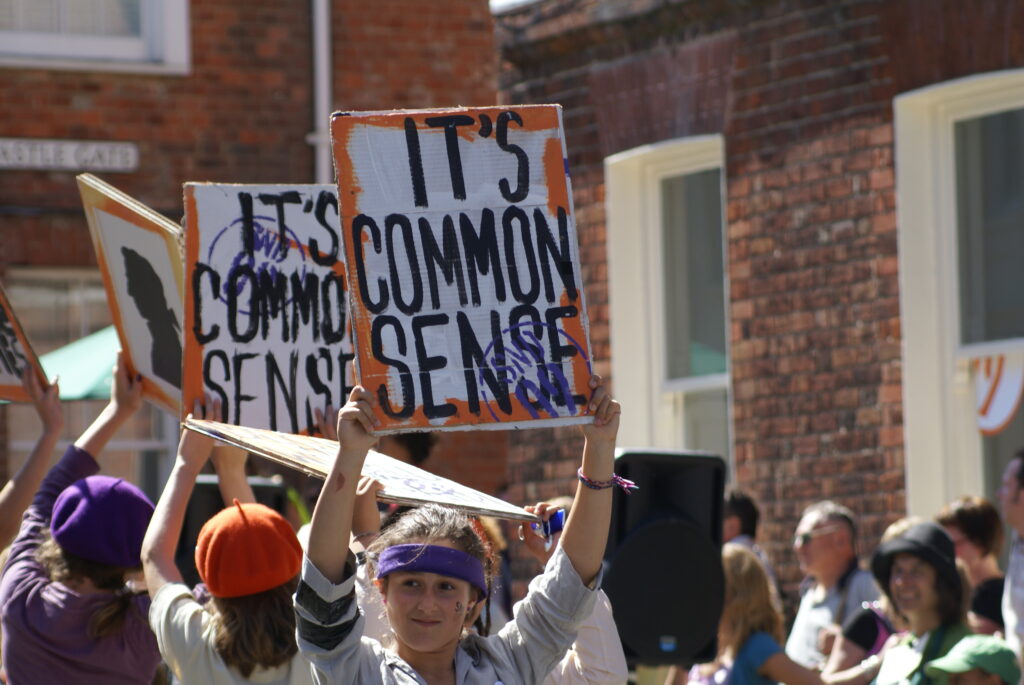
In Common Sense, Paine introduced the concept of modern democracy. This idea is what the “revolution” in the American Revolution rested upon. Self-rule was a by-product of the concept of government “of the people, for the people, by the people.” Before Common Sense, the meaning of “democracy” was diffuse.

Common Sense and the Revolutionary Moment  Read Post »

Scroll to Top