Benjamin Franklin

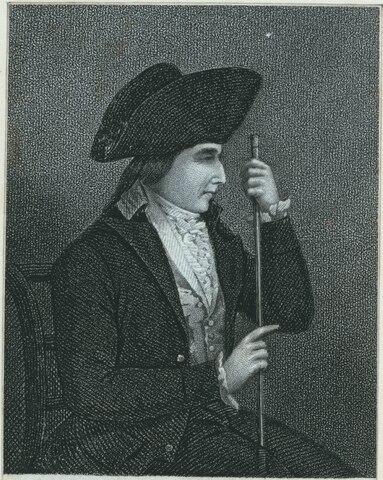
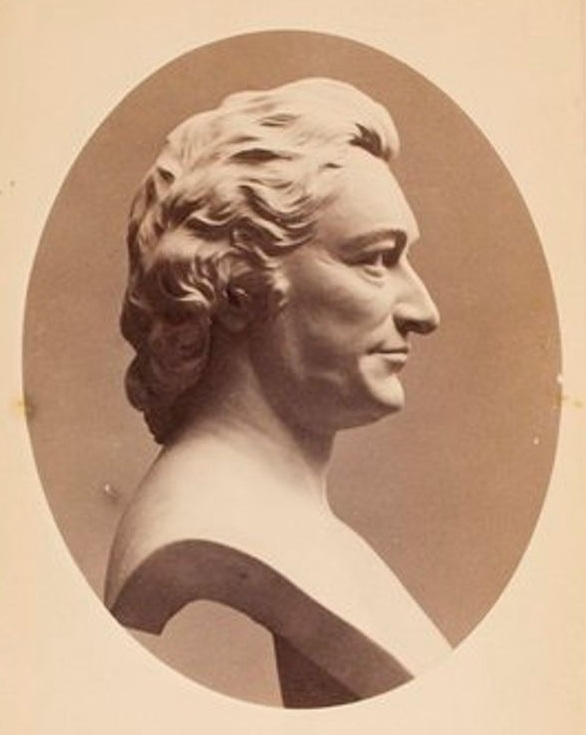
Elihu Palmer illustrated by Thomas Addis Emmet, 1880 - New York Public Library

Elihu Palmer: A Forgotten Voice of Deism

Studies in Thomas Paine

Elihu Palmer (1764 1806) was a little-known freethinker who, even after losing his vision, remained active in the intellectual debates of his time. Palmer emerged as one of the leading exponents of deism in the First American Republic. Drawing upon thinkers such as Locke, Hume, Rousseau, and Jefferson.

, ,

Elihu Palmer: A Forgotten Voice of Deism Read Post »

Providentia

The Mysteries of Paine’s Beliefs in Providence

Studies in Thomas Paine

In Paine’s view, organized religions marketed unreliable hearsay piled on hearsay as “revelations” that are, by definition, based on faith rather than evidence. Carefully observing nature, he rejected nearly everything propounded by organized religions as antithetical to rational analysis, retaining from Biblical accounts only what was discernable through observation.

, , , ,

The Mysteries of Paine’s Beliefs in Providence Read Post »

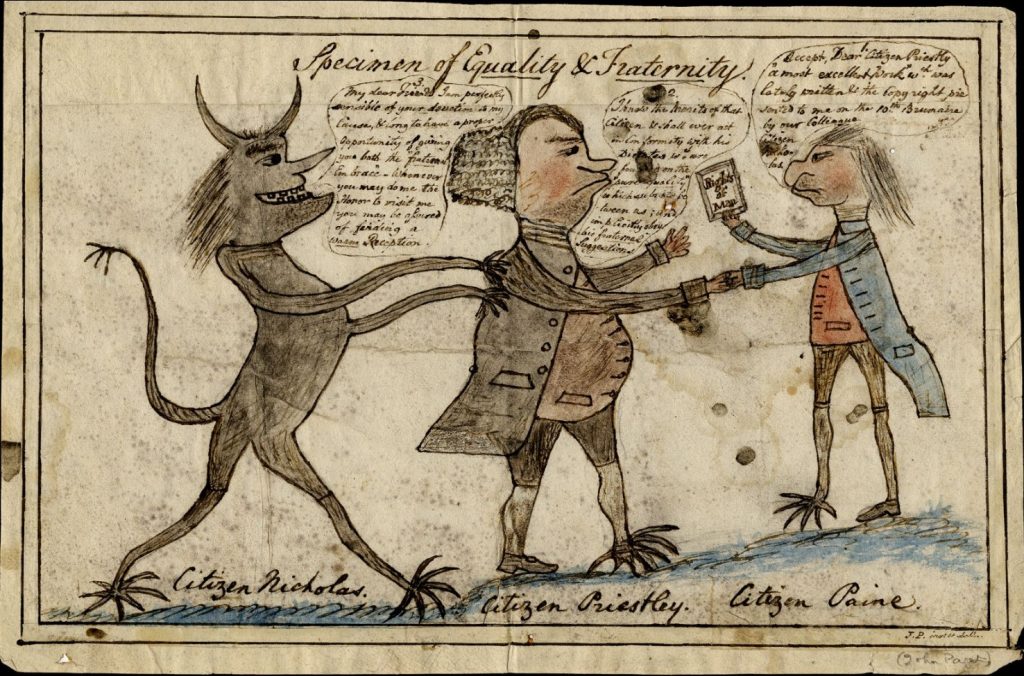
“Specimen of Equality & Fraternity” is a 1810’s print or caricature created by John Paget. Paine greets Joseph Priestley, who is backed by Nicolas de Bonneville, and offers him a copy of Rights of Man. The first two are each depicted with one human and one animal foot while Bonneville is portrayed as a demon – American Philosophical Society

The Curious History of Thomas Paine’s Biographies

Beacon, Beacon May 2024

Even before Paine’s death, his life was being dissected by those around him on both sides of the Atlantic. The earliest “biographies” of Paine were highly critical, politically-motivated smear campaigns funded by political enemies in high places. Each writer set out to debunk Paine’s major works.

, , , ,

The Curious History of Thomas Paine’s Biographies Read Post »

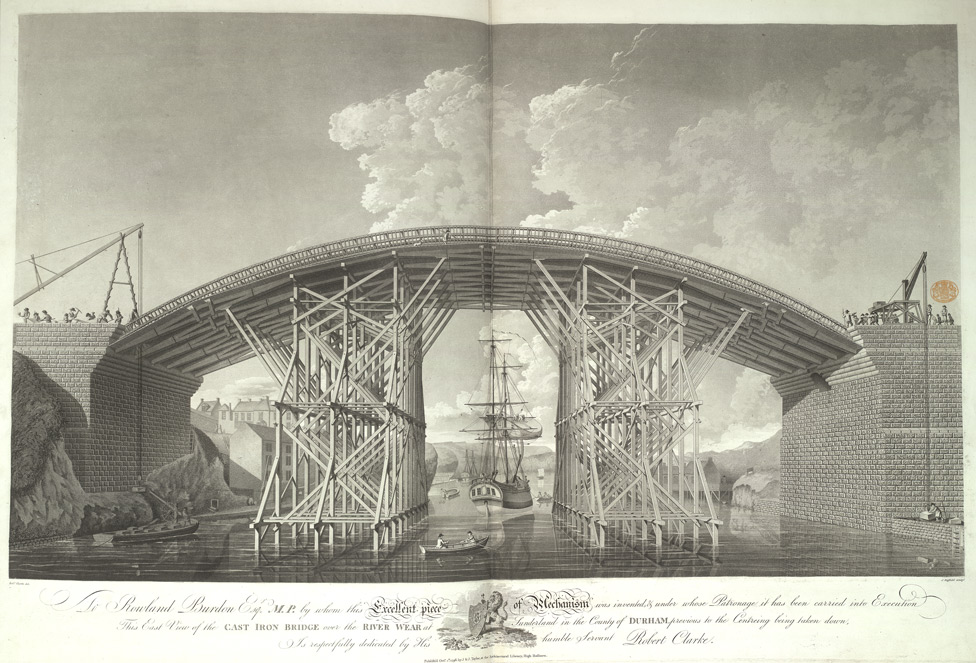
Painting by J. Raffield of the east view of the cast iron bridge over the River Wear at Sunderland in 1796 - link

Thomas Paine’s Iron Bridge Design Spans the Start of the Industrial Revolution

Beacon

Paine believed in Enlightenment ideals about science. Fascinated by new technologies, Paine tried his hand at designing bridges. He’d change the world by connecting it together. As he wrote, “We have it in our power to begin the world over again.”

,

Thomas Paine’s Iron Bridge Design Spans the Start of the Industrial Revolution Read Post »

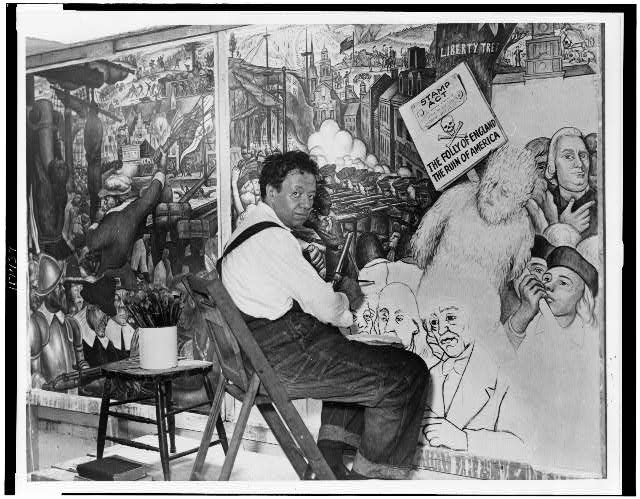
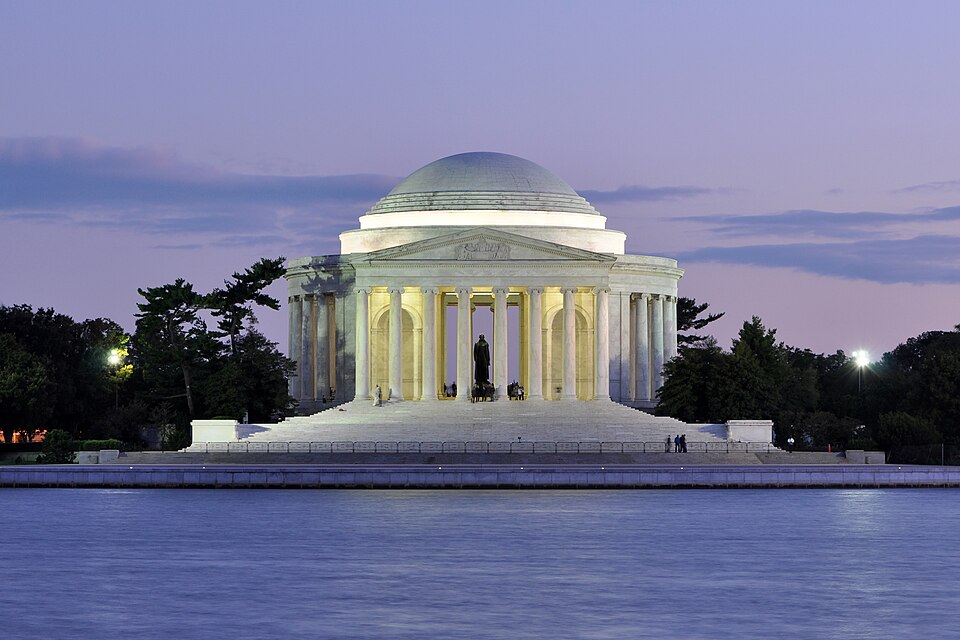
A Tale of Two Toms: Jefferson and Paine’s Radically Different Visions of America

Beacon, Beacon July 2022

Jefferson turned a blind eye to slavery, rooted in fake subjective science, while Paine saw humanity as one whole: “The world is my country, my religion is to do good.” In this sense, Kindness in Paine’s writings is the end product of the Enlightenment, waiting for realization.

, , ,

A Tale of Two Toms: Jefferson and Paine’s Radically Different Visions of America Read Post »

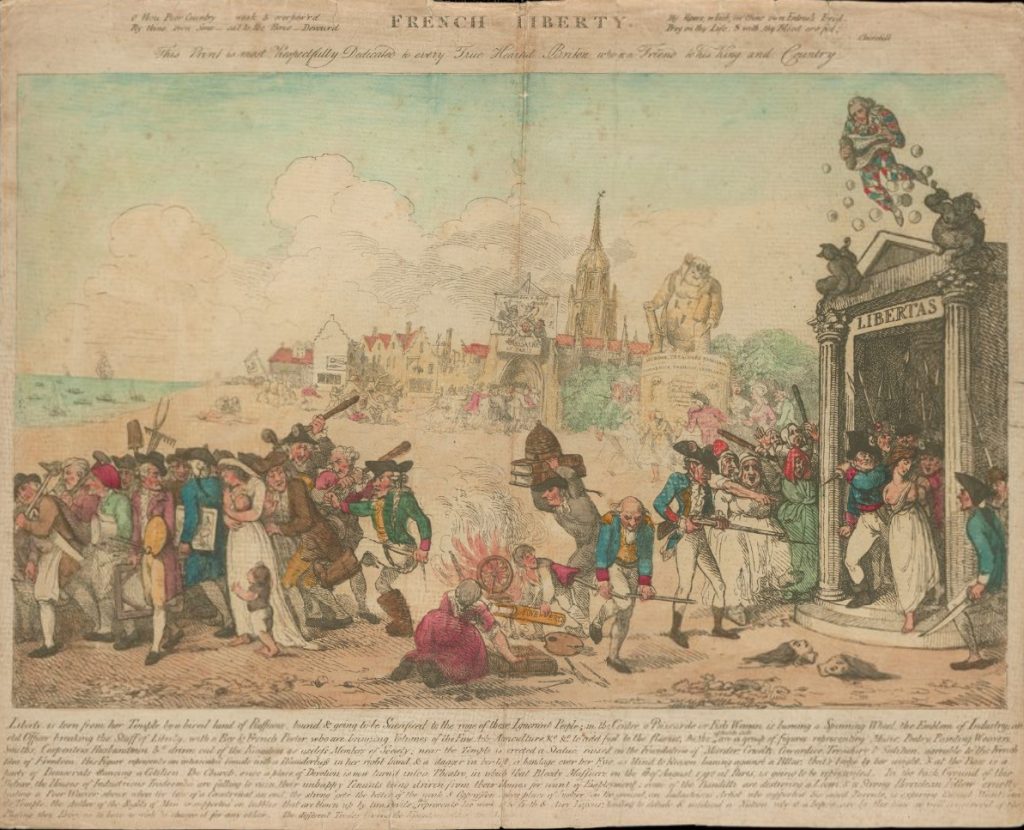
French Liberty

BOOK REVIEW: La Pensee Politique de Thomas Paine en Contexte: Theorie at Pratique

Thomas Paine Society UK, TPUK 2012 Number 2 Volume 11

This fundamental contribution to Paine’s political thought, based on a Ph. D thesis at the Sorbonne, deserves to be translated into English so that it becomes available to all Anglophones interested in the subject.

, , ,

BOOK REVIEW: La Pensee Politique de Thomas Paine en Contexte: Theorie at Pratique Read Post »

Scroll to Top